Prosper in a dynamic world
Search

Top End to see dry season rain this week


There are signs that northern Australia’s dry season is nearing its end, with the western Top End to see dry season rain this week. The dry season across Northern Australia occurs between May and September, where sunny days and daytime temperatures in the low 30s are a regular occurrence on the forecast. 

By contrast, the wet season occurs between October and April and is dominated by higher humidity, heavy rain and thunderstorms. Darwin has only recorded four days of rain so far this dry season, with 19mm recorded in one day on Wednesday August 25.   

However, a developing low-pressure system over the Top End is set to bring unsettled weather over the next 3 days. Accumulated rainfall totals over the Top End are predicted to be around 1-5mm, with this rainfall falling early this week before sunnier skies return. Isolated pockets of 10-20mm are possible in parts of the western Top End during the next 3 days, including Darwin, particularly beneath thunderstorms. 


 This dry season rainfall could beat Darwin’s September average of 16.5mm, however the 24-hour rainfall totals will not come close to the September record of 70.6mm on the 21st in 1942.  Thunderstorms are on the Top End’s forecast on Monday and Tuesday and become more likely on Wednesday, which is a sign that the wet season is loosening its grip on northern Australia.  

While this week’s rain won’t be enough to declare the official onset of the wet season, there are signs that the wet season could arrive earlier than usual this year, driven by warmer sea surface temperatures across northern Australia.  Weatherzone provide wet season and tropical cyclone seasonal updates in spring to our clients, for more information about this service, please contact us at apac.sales@dtn.com 

Latest news

Satisfy your weather obsession with these news headlines from around the nation, and the world.

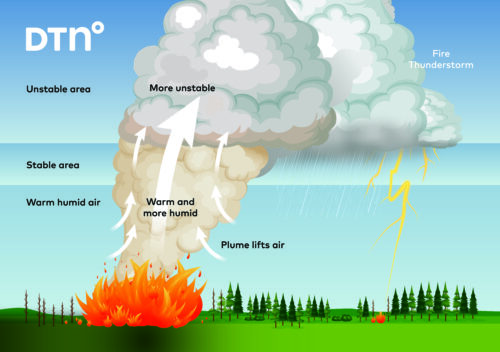
How does DTN help businesses monitor bushfire induced pyrocumulonimbus thunderstorms that ignite more fires?

Intense heat from bushfires during elevated fire danger days can trigger fire-induced pyrocumulonimbus thunderstorms that ignite additional fires. In early January 2026, an extreme heatwave sweeping over southeastern Australia brought catastrophic fire danger to Victoria. Intensely hot bush and grass fires spread erratically and quickly in hot, dry and gusty winds, with pyrocumulonimbus generating lightning, […]

Active seas to the north and east of Australia disrupting port and maritime operations

Seas to the north and east of Australia are experiencing periods of increased activity this week, leading to disruptions to port, maritime and offshore operations. Intense and hazardous Tasman Sea Ocean conditions across NSW’s South Coast rapidly deteriorated last Friday as a deep feed of easterly winds whipped up large and dangerous seas. The Batemans […]

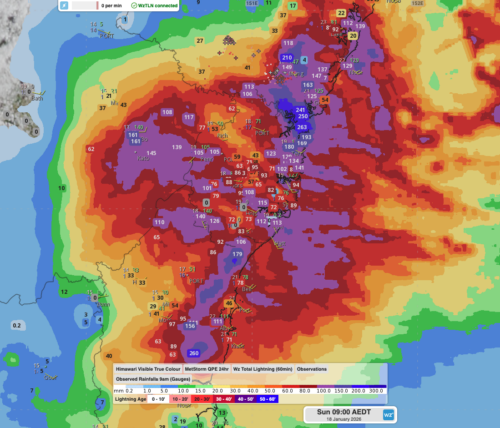
Transport, emergency and energy industries flooded across Greater Sydney with weekend deluges

Transport, emergency, energy and port industries in eastern NSW and Sydney were impacted by significant flash flooding with intense and heavy rainfall this weekend. Rainfall rates between 80 and 140mm in one to three hours were registered across parts of Sydney’s Northern Beaches and Central Coast on Saturday afternoon and evening. In some areas, these […]

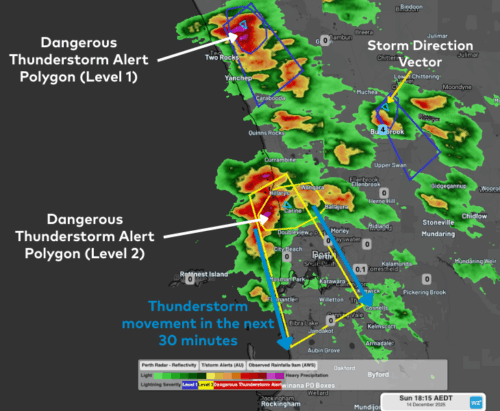
DTN Dangerous Thunderstorm Alerts in action with severe thunderstorms disrupting Perth industries

Severe thunderstorms impacted southwest WA and the Perth region on Sunday, December 14, 2025, triggering Dangerous Thunderstorm Alerts (DTA) by DTN for industries and businesses in the region. DTN operates Dangerous Thunderstorm Alerts (DTA) which alert businesses and industries to thunderstorms based on intensity and movement. These alerts provide advanced notice of thunderstorms moving into […]