Excessive heat is not just a scorching summer’s day. It’s a meteorological event characterised by temperatures that significantly exceed the average for a region. These heat conditions pose serious threats to both the environment and human health.
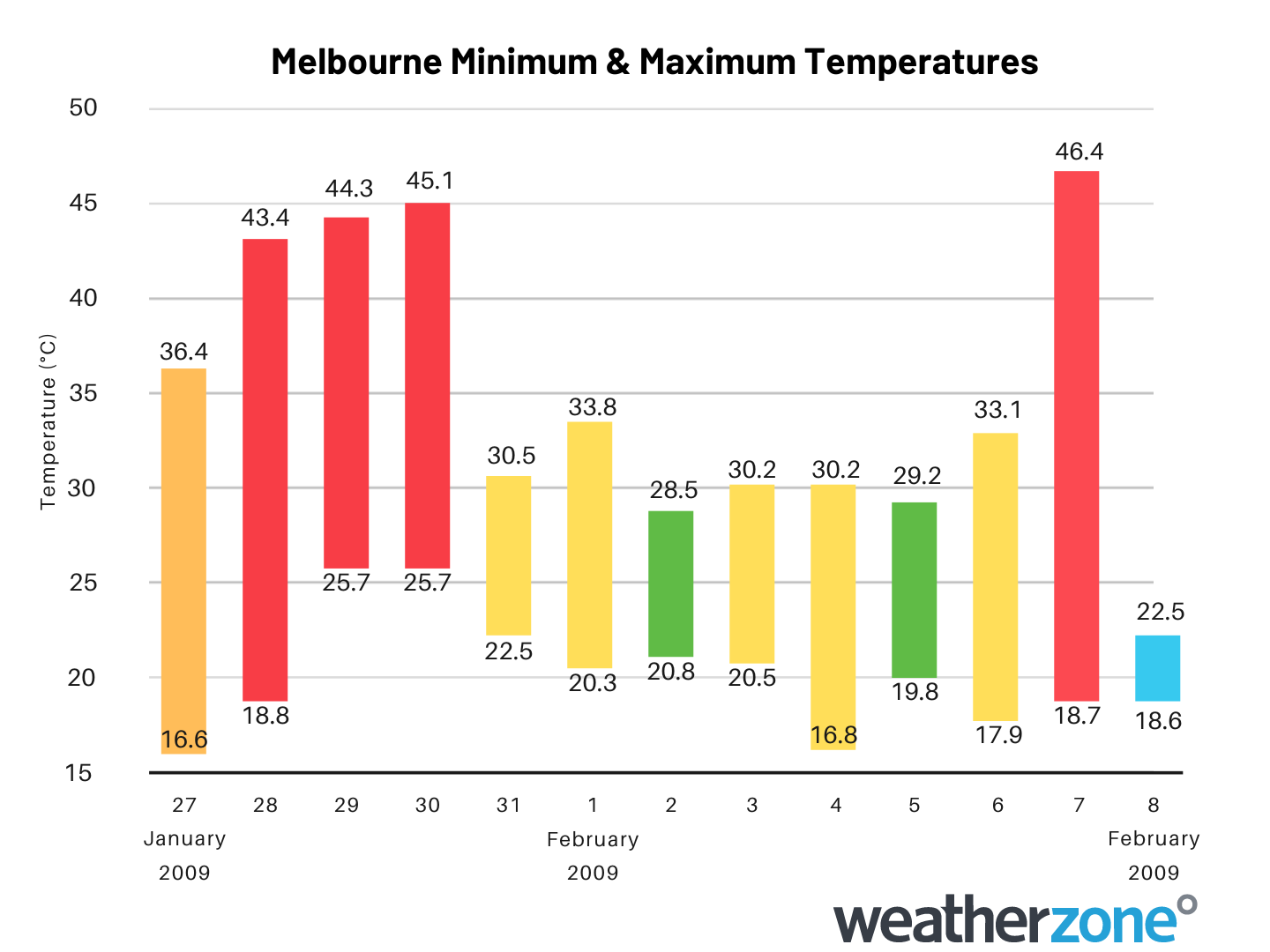
Excessive heat can be sorted into two categories: long-lasting heatwaves and short high-intensity heat. We can visualise both of these in action with the below case study: the min-max temperatures of Melbourne City in 2009.
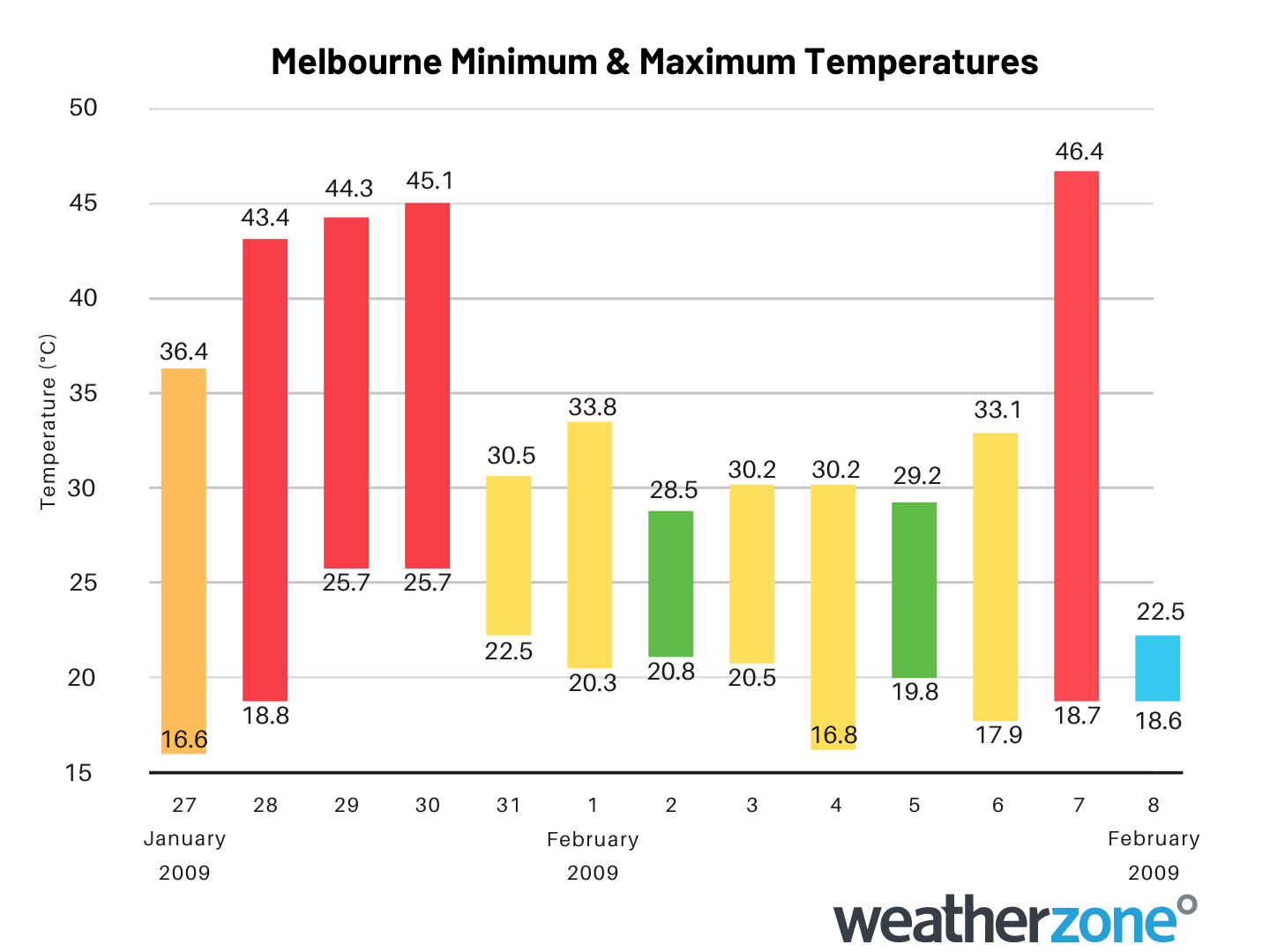
There was an extreme heatwave from the 28th – 30th of January, while a week later on the 7th of February there was a single excessively hot day, infamously known as Black Saturday. Some of the standout weather observations on Black Saturday were:
- 46.4 degrees in Melbourne, the city’s highest temperature on record
- 48.8 degrees at Hopetoun, Victoria’s highest temperature on record
- A wind gust of 120km/h at Mount Gellibrand, its highest on record for February
- Relative humidity below 10 per cent in many locations
The Causes Behind Excessive Heat
Excessive heat is formed via complex phenomena influenced by a variety of atmospheric, geographical and human factors:
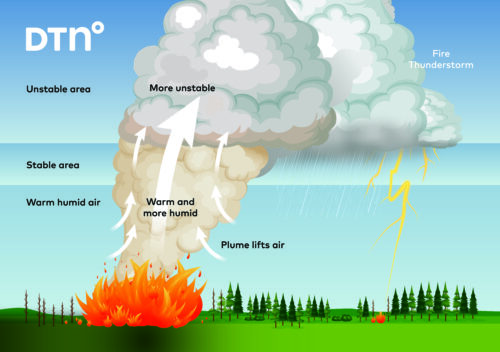
Cold Fronts: A cold front can indirectly lead to excessive heat as it propels hot, dry winds ahead of it, elevating temperatures significantly before the cooler air mass arrives. For example, the events of the Black Saturday bushfires were significantly exacerbated by a strong cold front that triggered a surge of hot, dry and blustery northwesterly winds across Victoria. The blend of unprecedented high temperatures, low humidity and vigorous winds preceding the front led to exceptionally high fire danger ratings, contributing to the catastrophic conditions on Black Saturday.
High-Pressure Systems: Another significant meteorological cause of excessive heat is the presence of strong high-pressure systems. These systems act like a dome, trapping hot air in an area and preventing cooler air masses from moving in. The air within this dome warms up as it descends, leading to increased temperatures at the surface. High pressure systems can also become ‘blocked’ in place, allowing them to be nearly stationary for days or weeks at a time.
Clear Skies and Increased Solar Radiation: Clear skies result in an increased amount of solar radiation reaching the Earth’s surface. Without clouds to reflect sunlight, more energy is absorbed by the ground, significantly raising temperatures.
Urban Heat Islands: In urban areas, the abundance of concrete, asphalt and other heat-absorbing materials leads to higher temperatures compared to surrounding rural areas. This effect is known as the urban heat island phenomenon. Buildings and roads absorb heat during the day and release it at night, leading to higher nighttime temperatures in cities.
Reduced Evapotranspiration: In areas with less vegetation, there is reduced evapotranspiration – the process by which plants release water into the atmosphere, creating a cooling effect. Deforestation and urbanisation can decrease this natural cooling, contributing to higher temperatures.
Seasonal Wind Patterns: Certain wind patterns can exacerbate heat conditions. The most impact of these is the Foehn Effect, where winds that blow over mountain ranges lose moisture on the windward side, and heat up as the air descends down the leewards side. This effect is significant for many of Australia’s capital cities, such as Sydney, Brisbane, Melbourne, Hobart, Adelaide, and Perth.
Ocean Currents and Sea Surface Temperatures: Changes in ocean currents and sea surface temperatures can influence weather patterns on land. For example, a warmer ocean can lead to increased air temperatures on adjacent land masses.
Low Soil Moisture: Dry soil conditions can also contribute to excessive heat. Moist soil typically absorbs more solar radiation, using this energy to evaporate water, which cools the air. Dry soil, on the other hand, reflects less solar radiation, allowing more heat to be absorbed by the atmosphere.
Impact on Wildlife and Ecosystems
Excessive heat also has a profound impact on Australian wildlife and ecosystems. High temperatures can lead to habitat destruction, alter migration patterns and even cause heat stress and dehydration in animals. Aquatic ecosystems are not spared either, as increased temperatures can disrupt the oxygen levels in water bodies, affecting marine life. Additionally, excessive heat can lead to the increased prevalence of wildfires, which devastate habitats and cause a loss of biodiversity.
Role of Vegetation in Mitigating Heat
Vegetation plays a critical role in mitigating heat, especially in urban environments. Trees and plants are natural coolants; they provide shade and release moisture into the air through a process called transpiration, effectively reducing ambient temperatures. In cities, where concrete and asphalt surfaces absorb and re-radiate heat, increasing green spaces can significantly counteract the urban heat island effect.
Shade and Cooling: Trees and large shrubs provide shade, which can lower surface and air temperatures.
Transpiration: Plants lose water during transpiration, which cools the air. This natural process is akin to a landscape-scale air conditioning system, which can make areas with abundant vegetation noticeably cooler.
Green Roofs and Walls: Implementing green roofs and living walls in urban architecture not only adds greenery but can also insulate buildings, reducing the need for artificial cooling.
Planning and Planting: For effective heat mitigation, urban planning may include strategic planting of trees and plants, considering factors like species selection, placement for maximum shade, and water efficiency.
Community Parks and Green Spaces: Large areas of green space, like community parks, can serve as urban oases, significantly lowering local temperatures and providing a refuge from heat for city residents.
The Economic Impact of Extreme Heat
The economic ramifications of excessive heat are far-reaching. Labour productivity in industries such as construction and agriculture can drop significantly. There’s also an increased demand for healthcare services due to heat-related illnesses. Furthermore, energy consumption spikes during extreme heat, leading to higher utility bills for individuals and increased operational costs for businesses.
The Black Saturday bushfires, caused by excessive heat, are regarded as one of the most devastating bushfire events ever recorded in the world. The bushfires claimed 173 lives, and destroyed 450,000 hectares of land, 2,000 homes and 1,500 buildings, leaving a lasting impact on the geography, population, and economic sectors.
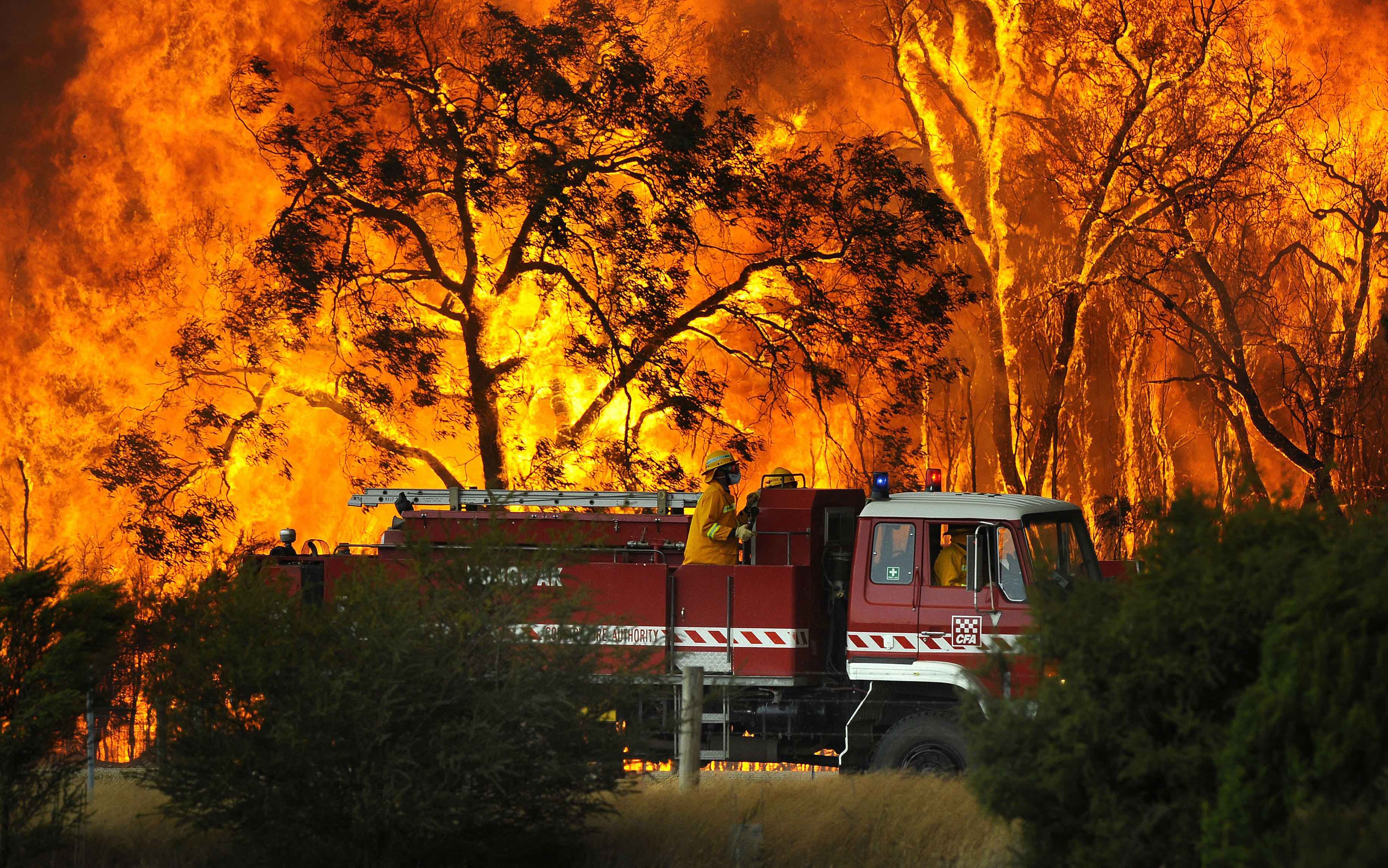
Image: A Country Fire Authority (CFA) fire truck is pictured in front of flames while fighting a bushfire at the Bunyip State Forest near the township of Tonimbuk, Saturday, Feb. 7, 2009. Source: AAP
Understanding the science behind excessive heat, its impact on our environment, urban areas and health and its economic implications, is crucial in developing effective strategies to mitigate these effects. While individual efforts like staying hydrated and cool are essential, broader solutions such as improving urban planning and investing in sustainable energy sources are vital for long-term resilience against excessive heat events.
Health and Safety Tips During Extreme Heat
During extreme heat, it’s crucial to take preventive measures to ensure health and safety. Staying hydrated, avoiding strenuous outdoor activities during peak heat hours and wearing light, loose-fitting clothing are key. It’s also important to recognise the signs of heat-related illnesses such as heat stroke and heat exhaustion, which include symptoms like dizziness, headache and nausea.
For more information on our energy forecasts, please contact us a apac.sales@dtn.com.