Prosper in a dynamic world
Search

MJO imminent for Australian region


Parts of northern Australia could see a wet end to March as the Madden-Julian Oscillation (MJO) moves through the Australian region. The MJO is a pulse of increased cloudiness and rainfall that travels around the world near the equator every 30-60 days.

The MJO has been weak and indiscernible in recent weeks, meaning it has little influence on the weather. However, it is forecast to strengthen and move into the Australian region over the coming week and possibly linger until mid-April. When the MJO is near Australia, it increases the likelihood of rain, thunderstorms and tropical cyclones in our region.

At this stage, it’s too early to know exactly how this pulse of the MJO will affect Australia, including where and when any tropical cyclones will develop. However, the map below shows the increasing likelihood of rainfall over a large area of northern and eastern Australia during the next fortnight.
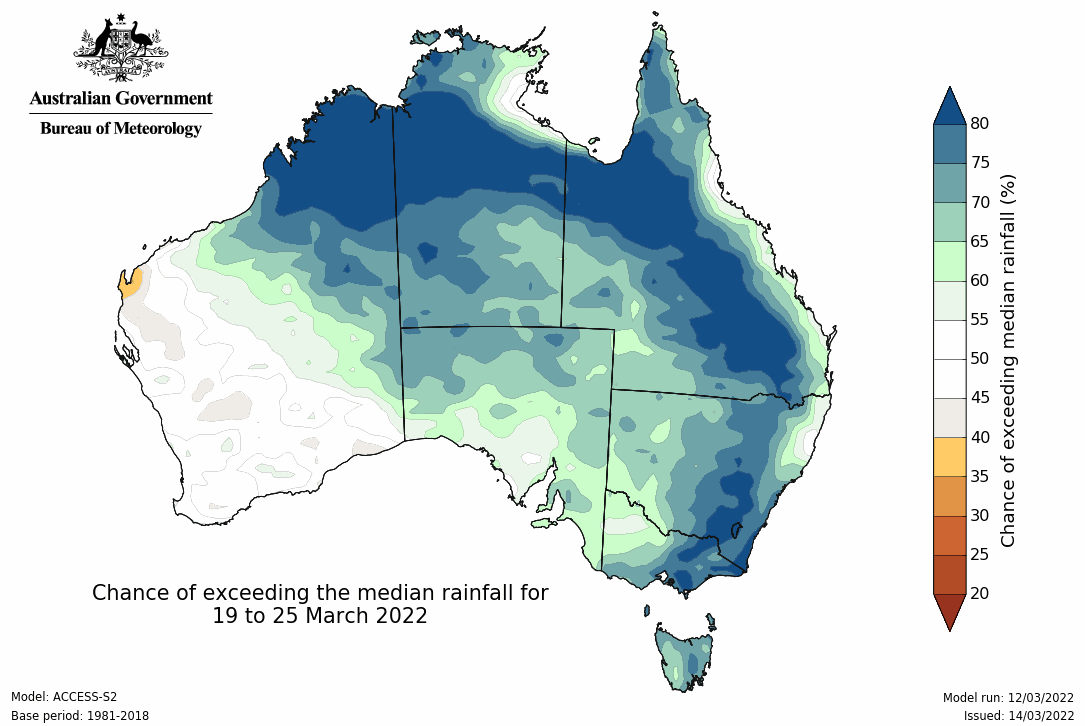
Image: Probability of exceeding the median rainfall during the fortnight ending on March 25, 2022. Source: Bureau of Meteorology.

The strong signal of above-average rainfall in the map above is partially being caused by the impending MJO. It is also being influenced by the ongoing La Niña in the Pacific Ocean, which has regained strength in the last fortnight and is likely to persist until at least late-autumn.

The map above shows the rainfall outlook from the Bureau of Meteorology’s ACCESS-S seasonal forecast model, which is a good guide for general rainfall trends. However, more discreet details about where and when rain will fall will become available over the coming weeks as we move into the range of higher-resolution numerical weather prediction models. For more information, please contact us at apac.sales@dtn.com.

Latest news

Satisfy your weather obsession with these news headlines from around the nation, and the world.

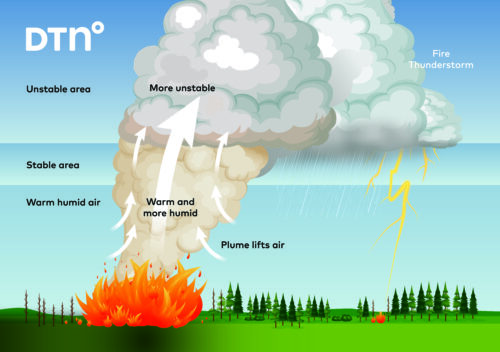
How does DTN help businesses monitor bushfire induced pyrocumulonimbus thunderstorms that ignite more fires?

Intense heat from bushfires during elevated fire danger days can trigger fire-induced pyrocumulonimbus thunderstorms that ignite additional fires. In early January 2026, an extreme heatwave sweeping over southeastern Australia brought catastrophic fire danger to Victoria. Intensely hot bush and grass fires spread erratically and quickly in hot, dry and gusty winds, with pyrocumulonimbus generating lightning, […]

Active seas to the north and east of Australia disrupting port and maritime operations

Seas to the north and east of Australia are experiencing periods of increased activity this week, leading to disruptions to port, maritime and offshore operations. Intense and hazardous Tasman Sea Ocean conditions across NSW’s South Coast rapidly deteriorated last Friday as a deep feed of easterly winds whipped up large and dangerous seas. The Batemans […]

Transport, emergency and energy industries flooded across Greater Sydney with weekend deluges

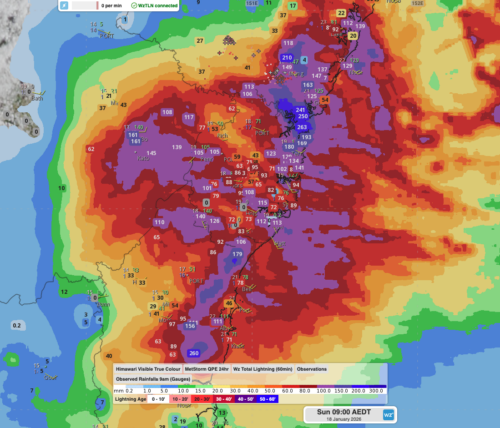
Transport, emergency, energy and port industries in eastern NSW and Sydney were impacted by significant flash flooding with intense and heavy rainfall this weekend. Rainfall rates between 80 and 140mm in one to three hours were registered across parts of Sydney’s Northern Beaches and Central Coast on Saturday afternoon and evening. In some areas, these […]

DTN Dangerous Thunderstorm Alerts in action with severe thunderstorms disrupting Perth industries

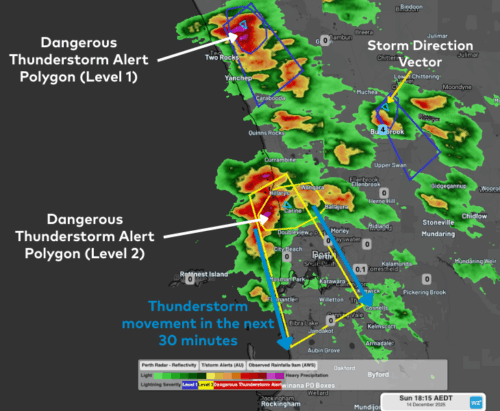
Severe thunderstorms impacted southwest WA and the Perth region on Sunday, December 14, 2025, triggering Dangerous Thunderstorm Alerts (DTA) by DTN for industries and businesses in the region. DTN operates Dangerous Thunderstorm Alerts (DTA) which alert businesses and industries to thunderstorms based on intensity and movement. These alerts provide advanced notice of thunderstorms moving into […]