Prosper in a dynamic world
Search

A cloudy and rainy year thus far for Sydney

It has been a cloudy and rainy year thus far for Sydney, with 28 of the 55 calendar days recording rainfall. This unusual summer has seen more days of rainfall than not.

The wet weather is set to continue, with large multi-day rainfall accumulations predicted for the central and northern NSW coast from today through to Monday, March 1st, including Sydney. The heaviest falls are likely to occur during today and on Saturday.

So how cloudy was it? 

It has been a cloudier than average beginning to the year for Sydney with only two other cloudier beginnings to the year recorded in the last decade.

The week of January 26 to February 2nd has been the cloudiest week of the year. During this week, Sydney saw less than two and a half hours of sunlight on average per day. In the past decade there have only been two cloudier weeks at this time of year.

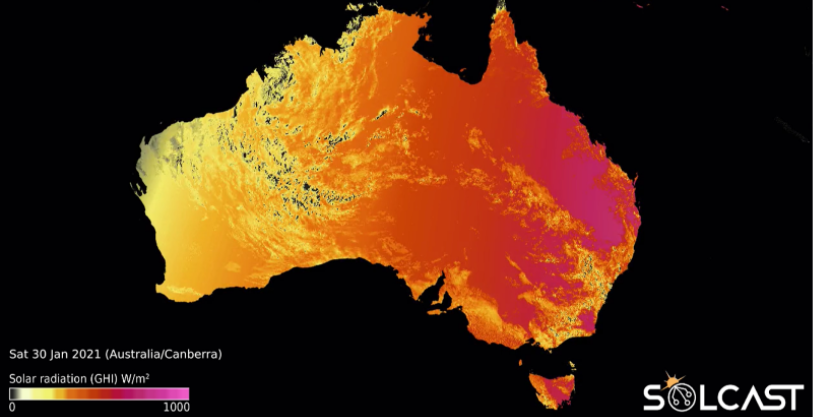
The largest daily rainfall total during the same week (week ending February 2nd) was 29.6mm at Sydney Observatory Hill on Saturday the 30th of January. The tropics were particularly active during this week feeding moisture into a low pressure trough on January 30th. As such low solar irradiance was observed for eastern New South Wales (yellow and black in figure 1).
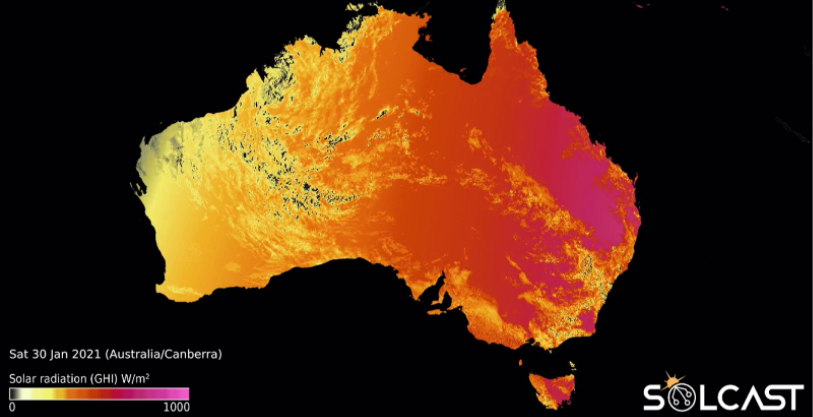


Figure 1: Solcast’s global horizontal irradiance on the 30th of January 2021

During such weather conditions it is especially important for the Renewable Energy industry to have excellent solar forecasting solutions in order to be able to maximise profit and minimise risk. If you want to know more about Weatherzone’s and Solcast’s market leading capabilities in this field please visit our websites (https://business.weatherzone.com.au/; www.solcast.com).

Latest news

Satisfy your weather obsession with these news headlines from around the nation, and the world.

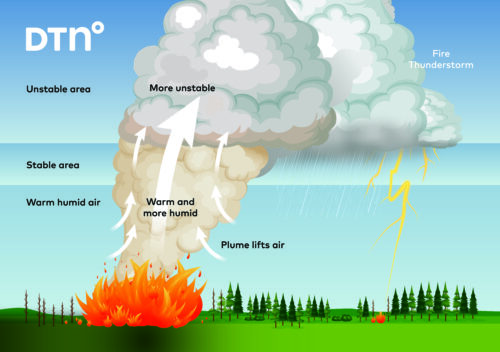
How does DTN help businesses monitor bushfire induced pyrocumulonimbus thunderstorms that ignite more fires?

Intense heat from bushfires during elevated fire danger days can trigger fire-induced pyrocumulonimbus thunderstorms that ignite additional fires. In early January 2026, an extreme heatwave sweeping over southeastern Australia brought catastrophic fire danger to Victoria. Intensely hot bush and grass fires spread erratically and quickly in hot, dry and gusty winds, with pyrocumulonimbus generating lightning, […]

Active seas to the north and east of Australia disrupting port and maritime operations

Seas to the north and east of Australia are experiencing periods of increased activity this week, leading to disruptions to port, maritime and offshore operations. Intense and hazardous Tasman Sea Ocean conditions across NSW’s South Coast rapidly deteriorated last Friday as a deep feed of easterly winds whipped up large and dangerous seas. The Batemans […]

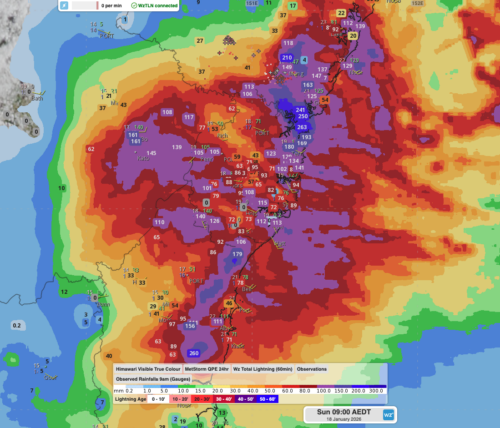
Transport, emergency and energy industries flooded across Greater Sydney with weekend deluges

Transport, emergency, energy and port industries in eastern NSW and Sydney were impacted by significant flash flooding with intense and heavy rainfall this weekend. Rainfall rates between 80 and 140mm in one to three hours were registered across parts of Sydney’s Northern Beaches and Central Coast on Saturday afternoon and evening. In some areas, these […]

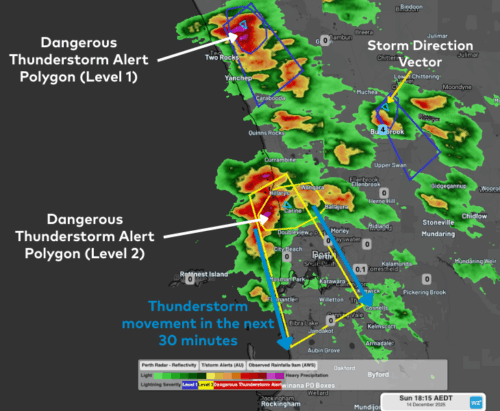
DTN Dangerous Thunderstorm Alerts in action with severe thunderstorms disrupting Perth industries

Severe thunderstorms impacted southwest WA and the Perth region on Sunday, December 14, 2025, triggering Dangerous Thunderstorm Alerts (DTA) by DTN for industries and businesses in the region. DTN operates Dangerous Thunderstorm Alerts (DTA) which alert businesses and industries to thunderstorms based on intensity and movement. These alerts provide advanced notice of thunderstorms moving into […]