Prosper in a dynamic world
Search

Sleepless in Sydney, with every 2022 night warmer than average so far


Readers from tropical parts of Australia accustomed to average minimum temps in the mid-twenties might laugh, but Sydney people have been tossing and turning in 2022, with a string of above-average overnight temps.

  • Sydney’s average overnight minimum in January is 18.8°C.
  • Thus far in 2022 (to 9 am on Jan 13), the average min has been 21.3°C. That’s 2.5°C above the long-term norm.
  • Indeed, every single Sydney night this year has been significantly warmer than that historical average of 18.8°C.
  • Every night bar one has stayed above 20°C. The exception was January 8, which dipped down to 19.4°C. That was still 0.6°C above the average.

Why the high minimums?

The high minimum temps can largely be explained by Sydney’s prevailing cloudy conditions.

Rain has been recorded on 7 of the 13 days so far in 2022 in Sydney (including this drizzly Thursday), and most other days have been cloudy.

Clouds tend to produce warmer nights as they act like a lid which prevents the heat of the day from radiating back into space.

Weatherzone meteorologist Joel Pippard says that the high mins may also be related to higher dew points with the nearby marine heatwave.

For the record, maximum temps have also been above average in Sydney

Despite just one day exceeding 30°C, Sydney’s average high in January 2022 to date has been 28.3°C, compared to the historical average of 26°C.

Clouds will often make days cooler, although that has not been the case this year, as Sydney’s soggy start to the year has been accompanied by a warm and moist northeasterly flow originating in the tropics.

So overall, the first couple of weeks of 2022 have warm, humid, and uncomfortable both by day and by night in Sydney, even though it hasn’t been excessively hot.

The bad news for those people without air-conditioning seeking a good night’s sleep is that Sydney’s above-average streak of minimum temps is set to last a while yet.

Min temps of 20°C or higher are forecast to stick around till at least next Tuesday. For more information on Weatherzone’s temperature forecasting, please contact us at apac.sales@dtn.com.

Latest news

Satisfy your weather obsession with these news headlines from around the nation, and the world.

DTN Dangerous Thunderstorm Alerts in action with severe thunderstorms disrupting Perth industries

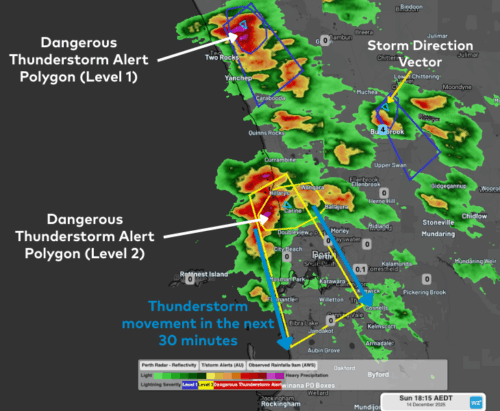
Severe thunderstorms impacted southwest WA and the Perth region on Sunday, December 14, 2025, triggering Dangerous Thunderstorm Alerts (DTA) by DTN for industries and businesses in the region. DTN operates Dangerous Thunderstorm Alerts (DTA) which alert businesses and industries to thunderstorms based on intensity and movement. These alerts provide advanced notice of thunderstorms moving into […]

How Australian East Coast port and maritime operations could be disrupted by tropical cyclones over the next two weeks

Port and maritime operations across Australia’s East Coast could be disrupted by increased tropical cyclone activity in the Coral Sea and southwest Pacific Ocean over the next two weeks. Meteorologists reference a large selection of Numerical Weather Prediction (NWP) models to forecast weather. A number of these NWP models are forecasting the development of tropical […]

Extreme fire danger and severe heatwave conditions spreading across SA, Victoria and NSW

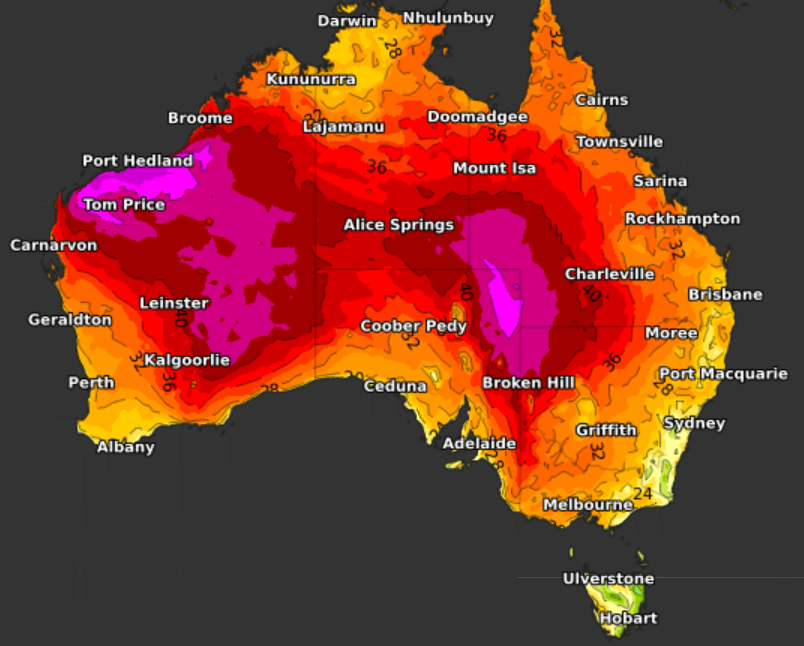
Hot, dry and windy weather causing elevated fire danger and severe heatwave conditions are sweeping across southeastern Australia over the next three days, driving high energy demand and disruption to operations. Clear skies associated a large and slow-moving high pressure system have allowed hot air to build up over parts of northern, western and central […]

Heightened bushfire risk during the 2025-26 summer for WA, Victoria and NSW in latest AFAC Outlook

The Australian and New Zealand Council for fire and emergency services (AFAC) identified western and southern WA, Victoria and inland NSW as key regions that are at risk of heightened bushfire risk this summer. Parts of Australia have experienced severe soil moisture and rainfall deficiencies over the past months and years, while high fuel loads […]