

The US Climate Prediction Center (CPC) has just declared that La Niña is underway in the tropical Pacific Ocean, meaning the ocean and atmosphere are now synchronised in a pattern that is likely to influence Australia’s weather and climate in the coming months. The CPC issued a La Niña Advisory on January 9 in response […]

The Australian region set a new record for ocean temperatures in 2024, with sea surface temperatures close to 0.9°C above the long-term average. Australia’s annual mean sea surface temperature during 2024 was 0.89°C above the 1961-1990 average. This was the highest annual sea surface temperature on record, beating the previous record anomaly of +0.80°C from […]

Australia should experience summer without the influence of major climate drivers like La Niña or a negative IOD, potentially heightening the risk of heatwaves, extreme heat and bushfires across parts of the country. Pacific Ocean climate driver During much of 2024, the sea surface temperatures across the central and eastern Pacific have been cooler than […]
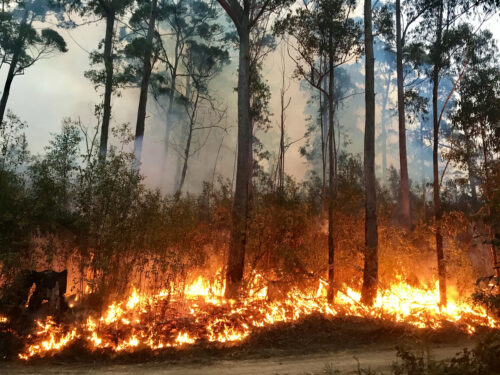
Australia recorded its warmest spring on record, with also severe rainfall deficiencies occurring across parts of the country, setting the stage for high fire risk this summer. The Australasian Fire and Emergency Services Authorities Council (AFAC) released their summer bushfire outlook for 2024 on Thursday, November 28, showing large areas of the NT, Vic and […]

October 2024 was Australia’s second-warmest October since comprehensive nationwide records were first kept in 1910. Temperatures across the country were 2.51°C above average in terms of what the BoM calls the “national area-averaged mean temperature” – a term which simply means the average of daily maximums and minimums at hundreds of different weather stations across […]

Australia’s climate is changing, with shifts in temperature, rainfall, wind, extreme fire weather and tropical cyclone activity being observed across the continent, according to the new State of the Climate report published this week. The State of the Climate 2024 report was issued by the Bureau of meteorology and the CSIRO, which communicates the […]

Lacklustre rainfall over the past seven months has exacerbated drought conditions across large areas of SA and Vic, with Adelaide nearing the end of one of its driest ‘wet seasons’ on record. The agricultural areas in SA and Vic typically receive most of their annual rainfall during the cooler months of the year between April […]
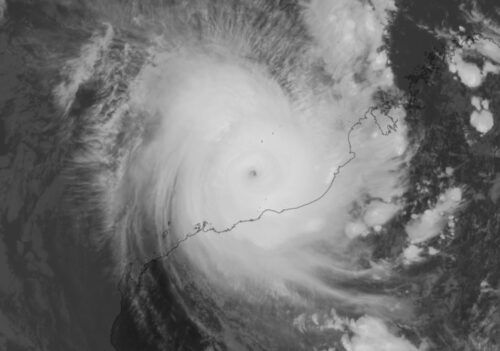
Globally, ocean temperatures are at record levels for the second consecutive year, and this has played a part in creating one of the costliest hurricane seasons on record in the North Atlantic. Forecasts are suggesting a similar impact of the hot oceans here in Australia for the coming tropical cyclone season. Link between hot oceans […]
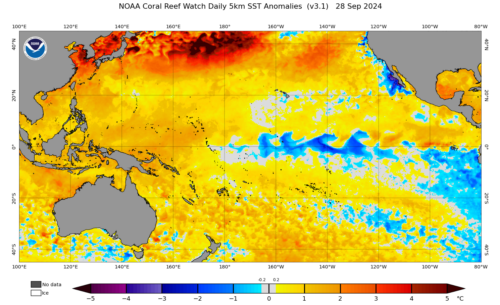
A clear La Niña signal is starting to emerge in the central Pacific Ocean, however the declaration of La Niña depends on a few factors that are still a coin flip chance of occurring. What is La Niña? La Niña is the cool phase of the El Niño Southern Oscillation (ENSO) that occurs when cooler […]
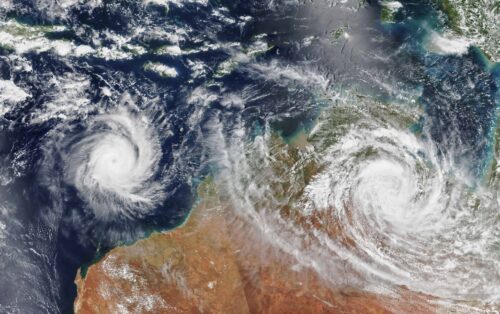
Australia’s tropical cyclone season is officially underway, but we may not see much activity for few months yet. The season runs from November to April, and for mining operators and businesses across northern Australia, 2026-27 is shaping up to be a season where the headline numbers and the real risk may not line up. On […]

A positive Indian Ocean Dipole is underway, but this one is unlikely to deliver the textbook dry spring and summer that businesses have come to expect from the pattern. The Bureau of Meteorology officially declared a positive IOD on Tuesday, October 27, which typically like El Niño can cause drier and warmer conditions over parts of […]
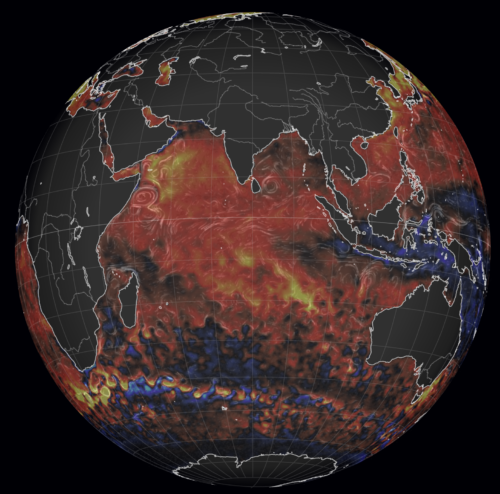
Waters off Indonesia have cooled in recent weeks, an indication that a positive Indian Ocean Dipole (IOD) event could be developing. It’s an important climate driver for Australia, and it could shape rainfall and temperatures heading into summer, with flow-on effects for farmers, energy and other industries. What is the Indian Ocean Dipole? The IOD […]

Leonora, WA, had its wettest September day on record earlier this month. Three weeks later, more than 1.3 million lightning pulses were detected within 800 km of the town in 48 hours. Why is a stalled trough delivering storms to mining country, and what it could mean for operations? The DTN Total Lightning Network detected […]