
Prosper in a dynamic world
Search

Satellite captures Moon’s shadow during solar eclipse

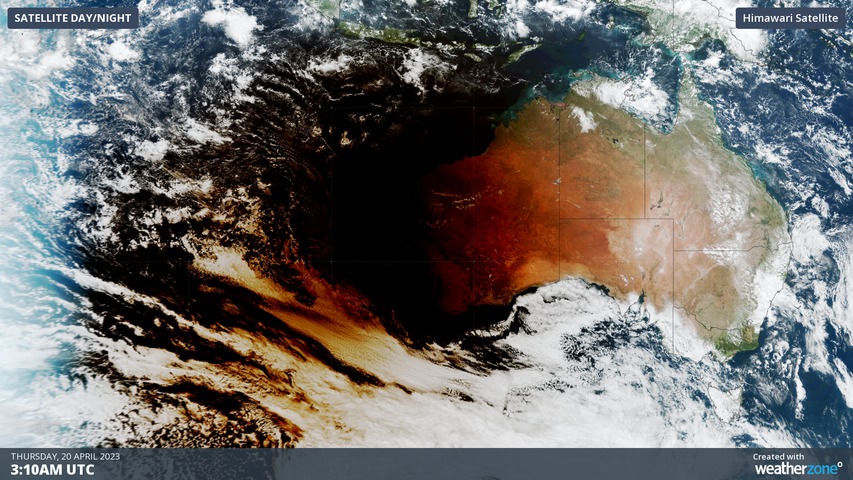
A satellite just captured the shadow of the Moon darting across the Indian Ocean and glancing northwestern Australia during today’s total solar eclipse.

More than 20,000 people converged on Exmouth in the far northwest corner of WA on Thursday to witness a total solar eclipse. This rare spectacle occurs when the moon passes between Earth and the Sun, causing the Moon to briefly cast a shadow on the Earth’s surface.

Exmouth and the surrounding Ningaloo Coast region was the only place on the Australian mainland to witness Thursday’s solar eclipse in its entirety. Every other part of the country only saw a partial eclipse, where the moon only covered a portion of the sun.

But while the view of the eclipse from Earth was limited to a thin sliver of land and ocean, the Himawari-9 satellite, sitting 36,000 km above Earth’s surface, captured an impressive top-down view of the phenomenon for all to see.

The video below shows the shadow of the Moon passing across Earth’s surface on Thursday, initially moving over the Indian Ocean before skimming WA and then continuing towards the Timor Sea and Indonesia.
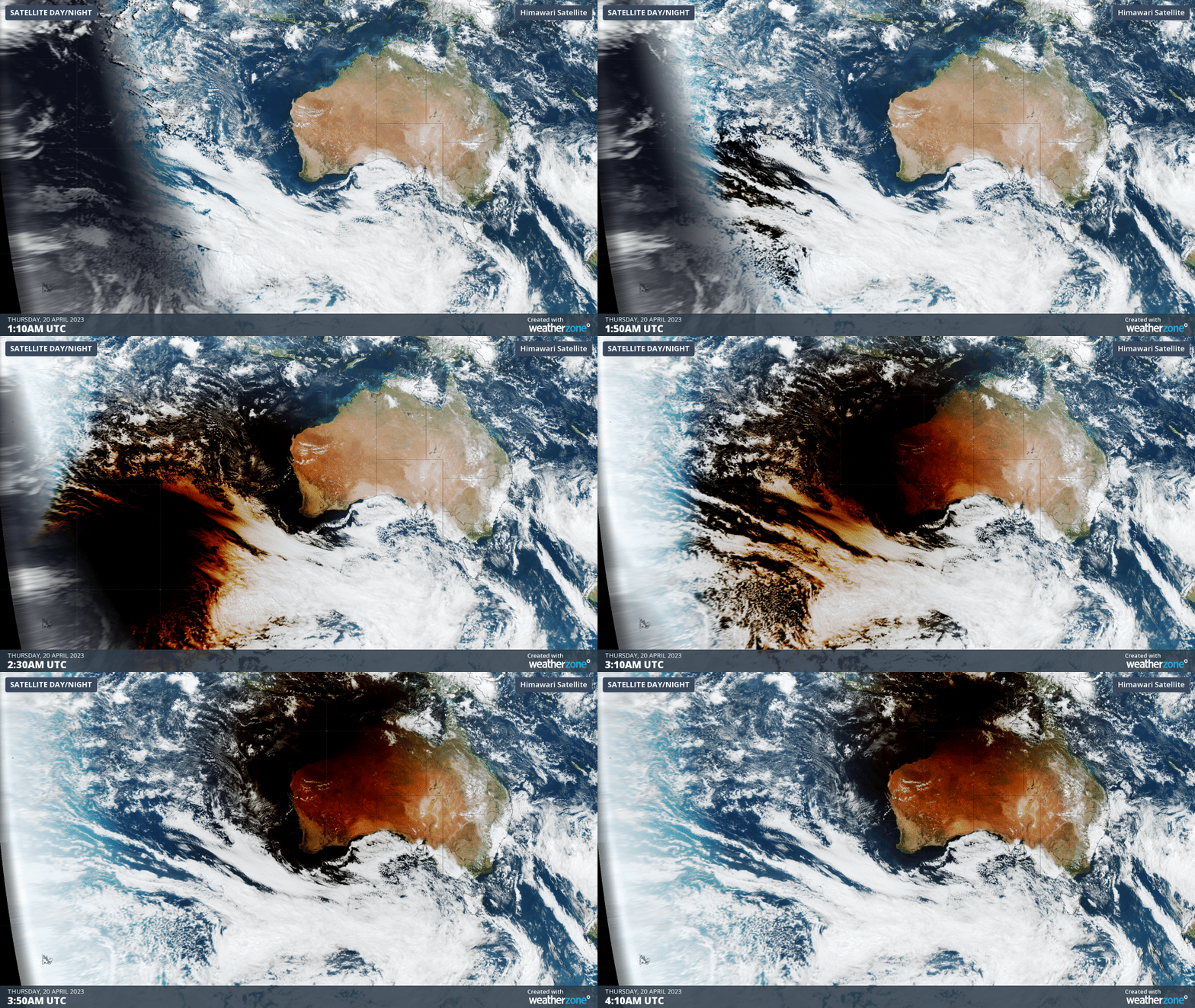
Impressively, the temperature dropped by several degrees during the darknes of the eclipse. Carnarvon Airport cooled by 3.4ºC between 10:23am and 11:30am local time.

Below are a few more images of the event captured by the Weatherzone community in WA.
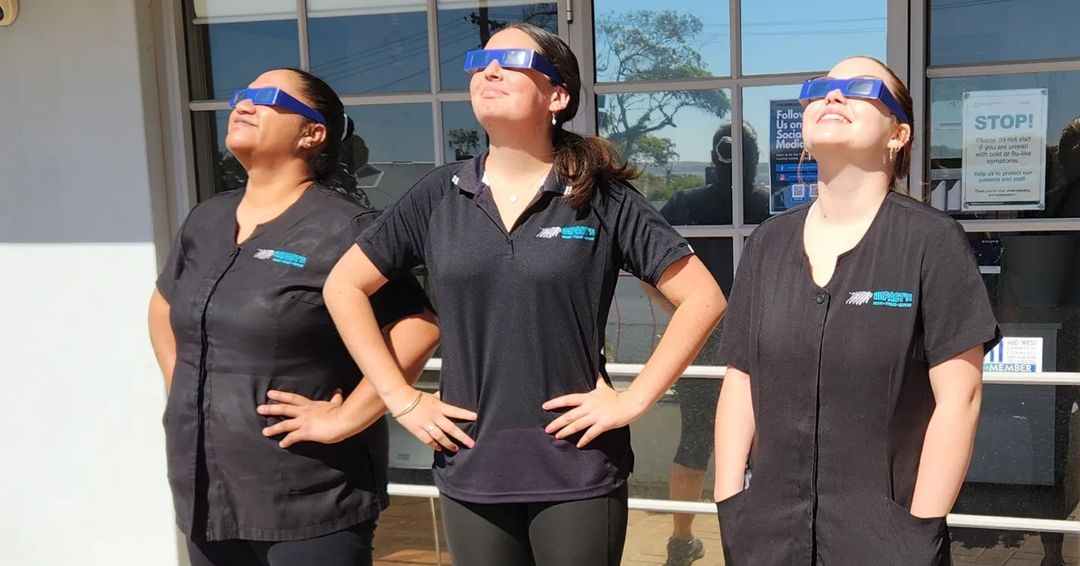
Image: Safety first in Wonthella, WA. Source: @impactn.massage.clinic / Instagram
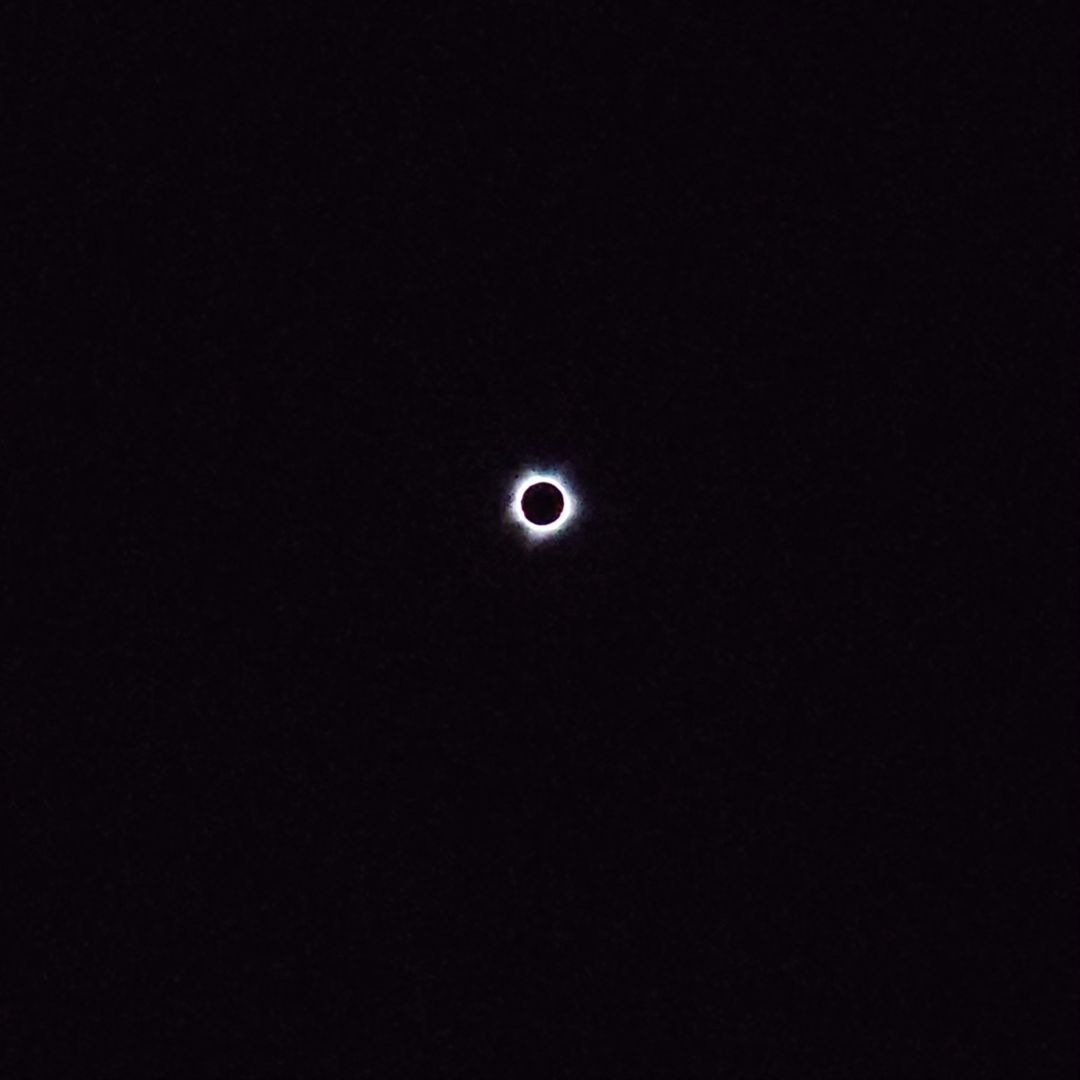
Satellite captures Moon's shadow during solar eclipse

Image: Total solar eclipse as seen from Barrow Island, WA. Source: @thomas__fry / Instagram
Satellite captures Moon's shadow during solar eclipse

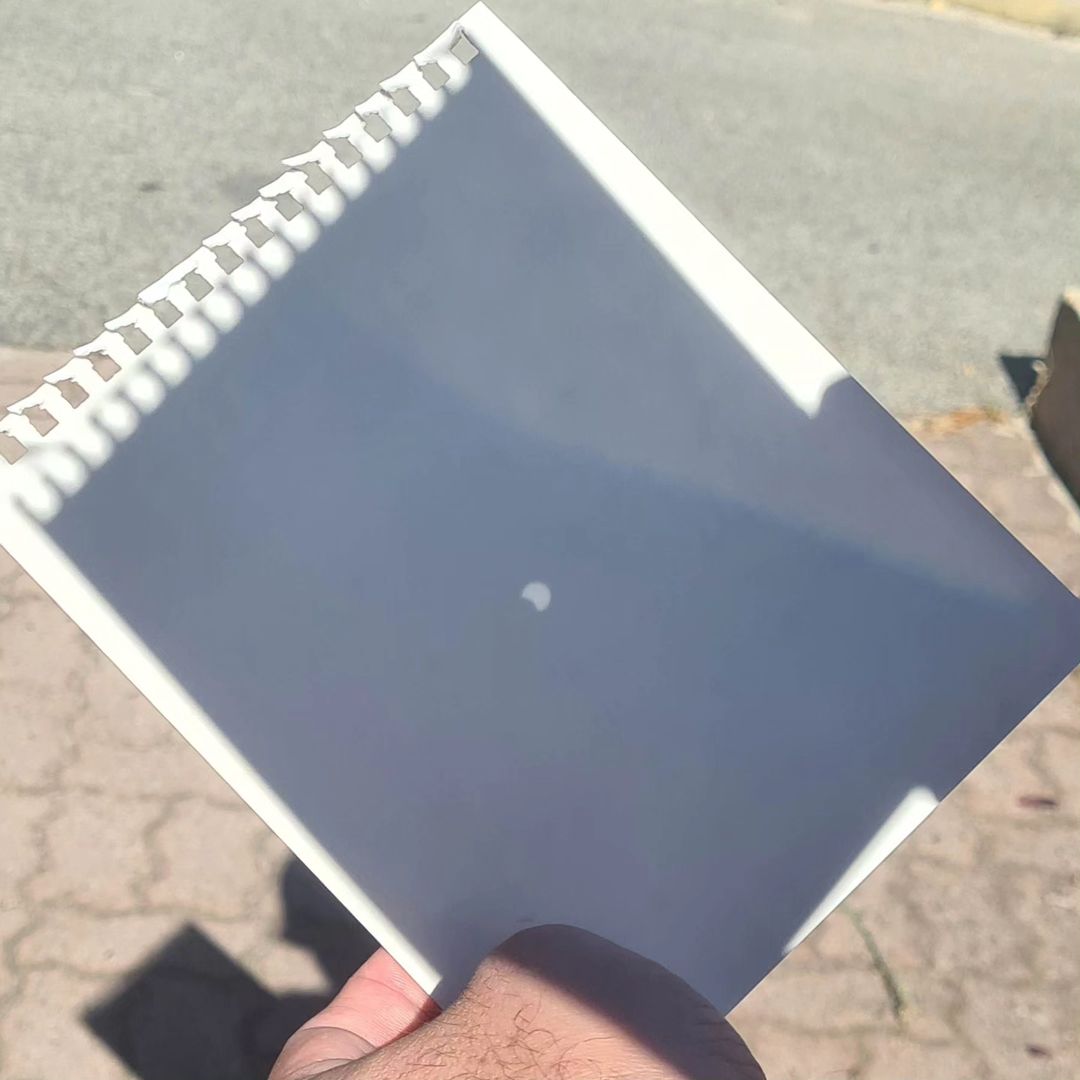
Image: View of Thursday’s partial solar eclipse through a pinhole projector, from Perth. Source: @dardsagainsthumanity / Instagram

Latest news

Satisfy your weather obsession with these news headlines from around the nation, and the world.

Rapid El Niño signal accelerating risk for Australian businesses

El Niño–favourable conditions are gathering pace across the tropical Pacific, with key ocean indicators approaching threshold levels and early atmospheric responses emerging.  While uncertainty remains around final El Niño strength, historical analogues show that even weak events can generate widespread impacts, including reduced rainfall, warmer daytime temperatures, increased frost risk, elevated fire danger, reduced tropical cyclone activity, and more. Industries including […]

Australia’s 2025–26 Cyclone Season: Slightly Above Average, Dominated by Severe Systems

Australia has just experienced a highly impactful tropical cyclone season, with more than 60% of systems reaching severe intensity, causing widespread disruption and damage to communities and multiple industries across northern Australia.  The 2025–26 Australian tropical cyclone season officially ran from 1 November 2025 to 30 April 2026. During this six-month period, Australia saw 11 tropical cyclones, with nine […]

What does a ‘super El Niño’ mean for Australia’s businesses?

There are signs that a very strong, or ‘super’ El Niño could develop in the tropical Pacific Ocean later this year. So, what does this mean for Australia’s weather during the second half of 2026? El Niño on the horizon The tropical Pacific Ocean is currently in a neutral state, meaning neither El Niño nor […]

How does DTN help businesses monitor bushfire induced pyrocumulonimbus thunderstorms that ignite more fires?

Intense heat from bushfires during elevated fire danger days can trigger fire-induced pyrocumulonimbus thunderstorms that ignite additional fires. In early January 2026, an extreme heatwave sweeping over southeastern Australia brought catastrophic fire danger to Victoria. Intensely hot bush and grass fires spread erratically and quickly in hot, dry and gusty winds, with pyrocumulonimbus generating lightning, […]


