Prosper in a dynamic world
Search

Nation-wide soaking over the next 10 days


MicrosoftTeams-image (96)

Rain and thunderstorms will soak most of Australia during the next 10 days as the developing La Niña makes its presence felt.

Abundant tropical moisture feeding into a series of low pressure troughs will cause rain and storms across multiple Australian states every day between now and at least Friday next week.

This soaking wet start to November is being driven by a negative Indian Ocean Dipole (IOD) and a developing La Niña.

Both of these climate drivers cause warmer-than-average water to lie near northern and eastern Australia, which increases atmospheric moisture and fuels rainfall.

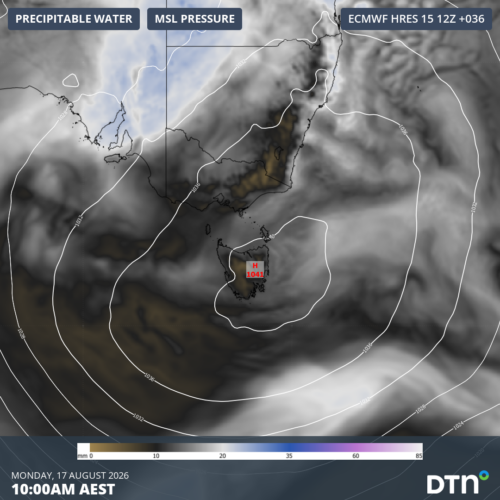
The animation below shows precipitable water in the atmosphere over the next one and a half weeks, which is a measure of how much moisture is in the atmosphere to produce rain. You can clearly see moisture-laden air travelling towards and over Australia from the Pacific Ocean, thanks to the developing La Niña.

Video: Medelled precipitable water during the next couple of weeks, showing moisture-laden air flowing towards and over Australia from the north and east.

Showers and thunderstorms will affect parts of northern Australia every day during the next 10 days.

For southern and eastern Australia, the wet and stormy weather will occur in waves as low pressure troughs traverse the country from west to east.

One of these troughs is producing a rainband over southeastern Australia today, drenching parts of Tas, Vic and NSW, including some thirsty soil in the Murray Darling Basin.

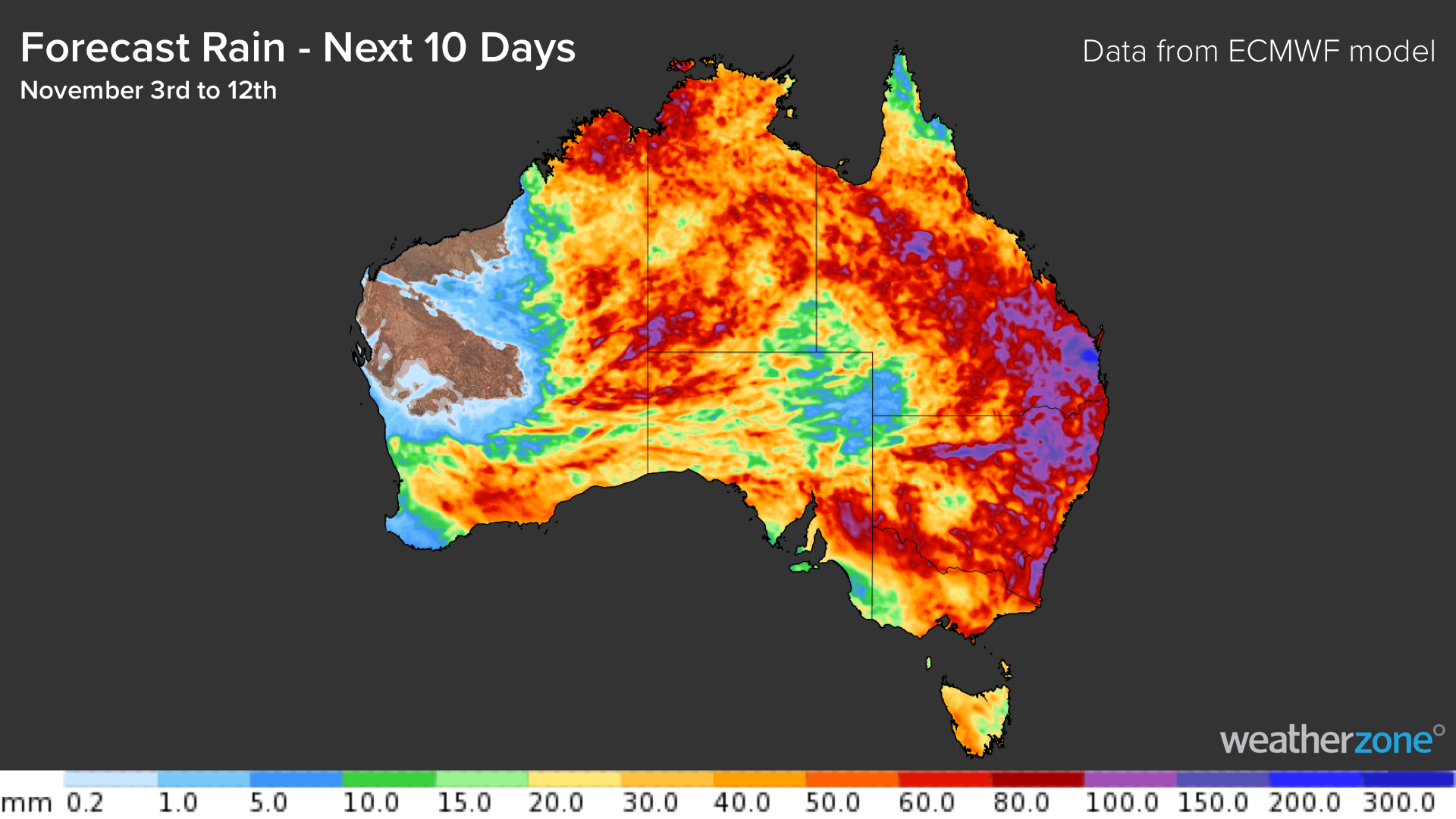
Over the next 10 days combined, part of every state and territory is likely to see at least 20mm of rain. Most states will also have places that collect more than 50mm, while pockets of eastern, central and northern Australia should pick up more than 100mm, possibly over 200mm.

MicrosoftTeams-image (97)

The impending rain should be heavy enough to cause flooding in some parts of the country, especially in areas that have had decent rain in recent weeks and months.

For more information on our rain and storm forecasting, please contact us at apac.sales@dtn.com.

Latest news

Satisfy your weather obsession with these news headlines from around the nation, and the world.

How does DTN help businesses monitor bushfire induced pyrocumulonimbus thunderstorms that ignite more fires?

Intense heat from bushfires during elevated fire danger days can trigger fire-induced pyrocumulonimbus thunderstorms that ignite additional fires. In early January 2026, an extreme heatwave sweeping over southeastern Australia brought catastrophic fire danger to Victoria. Intensely hot bush and grass fires spread erratically and quickly in hot, dry and gusty winds, with pyrocumulonimbus generating lightning, […]

Active seas to the north and east of Australia disrupting port and maritime operations

Seas to the north and east of Australia are experiencing periods of increased activity this week, leading to disruptions to port, maritime and offshore operations. Intense and hazardous Tasman Sea Ocean conditions across NSW’s South Coast rapidly deteriorated last Friday as a deep feed of easterly winds whipped up large and dangerous seas. The Batemans […]

Transport, emergency and energy industries flooded across Greater Sydney with weekend deluges

Transport, emergency, energy and port industries in eastern NSW and Sydney were impacted by significant flash flooding with intense and heavy rainfall this weekend. Rainfall rates between 80 and 140mm in one to three hours were registered across parts of Sydney’s Northern Beaches and Central Coast on Saturday afternoon and evening. In some areas, these […]

DTN Dangerous Thunderstorm Alerts in action with severe thunderstorms disrupting Perth industries

Severe thunderstorms impacted southwest WA and the Perth region on Sunday, December 14, 2025, triggering Dangerous Thunderstorm Alerts (DTA) by DTN for industries and businesses in the region. DTN operates Dangerous Thunderstorm Alerts (DTA) which alert businesses and industries to thunderstorms based on intensity and movement. These alerts provide advanced notice of thunderstorms moving into […]