Prosper in a dynamic world
Search

Australia’s 2021/22 tropical cyclone season is here

November 2nd 2021

MicrosoftTeams-image (92)

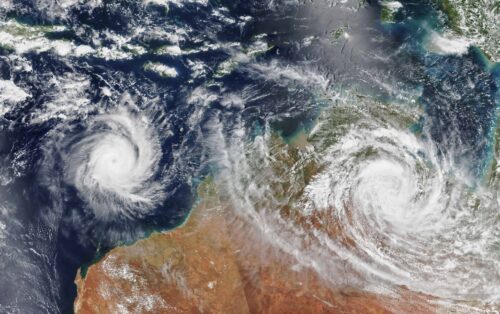
Monday, November 1st, marked the start of Australia’s 2021/22 tropical cyclone season, which will run for the next six months until the end of April.

As we pointed out last week, Australia can expect a near to slightly above average number of tropical cyclones this season, which means about 12 to 13 instead of the usual 9 to 11.

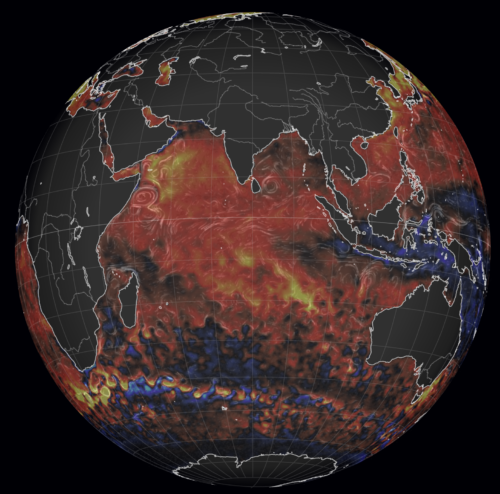
This above-average cyclone outlook is being driven by abnormally warm waters near northern Australia, a decaying negative Indian Ocean Dipole (IOD) and a developing La Niña in the Pacific Ocean.

MicrosoftTeams-image (94)

Image: Observed sea surface temperature anomalies on October 30th, showing abnormally warm water near northern Australia and a distnictive La Niña-like pattern in the Pacific Ocean. Source: NOAA

While there aren’t any sings of tropical cyclone development near Australia in the next week, the current setup does raise the likelihood of early-season cyclone development.

Both La Niña and a negative IOD typically cause the season’s first tropical cyclone to develop around three weeks earlier than average, which statistically means mid-November instead of early December.

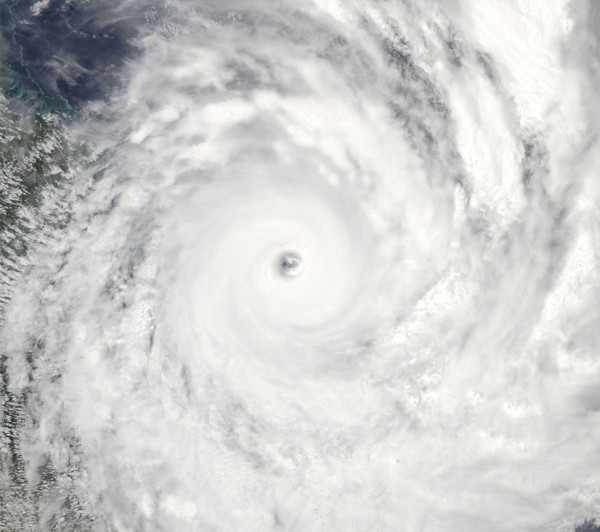
Regardless of when it develops, the first tropical cyclone to form in Australian waters this season will be named Paddy.

MicrosoftTeams-image (95)

The Bureau of Meteorology maintains a list of names that it assigns to tropical cyclones that develop in Australia’s area of responsibility. This list runs alphabetically and alternates between male and female.

Weatherzone will bring you regular updates on tropical cyclone activity in the Australian region during the next six months.

If you have any questions or would like more information on Weatherzone’s forecasting services, please contact us at apac.sales@dtn.com.
Latest news

Satisfy your weather obsession with these news headlines from around the nation, and the world.

Australia’s 2026-27 Tropical Cyclone Season: Late Start, Real Risk

Australia’s tropical cyclone season is officially underway, but we may not see much activity for few months yet.  The season runs from November to April, and for mining operators and businesses across northern Australia, 2026-27 is shaping up to be a season where the headline numbers and the real risk may not line up.  On […]

Positive IOD declared: Not a typical dry signal for Australia

A positive Indian Ocean Dipole is underway, but this one is unlikely to deliver the textbook dry spring and summer that businesses have come to expect from the pattern.  The Bureau of Meteorology officially declared a positive IOD on Tuesday, October 27, which typically like El Niño can cause drier and warmer conditions over parts of […]

Signs of a positive Indian Ocean Dipole, but it may not follow the textbook

Waters off Indonesia have cooled in recent weeks, an indication that a positive Indian Ocean Dipole (IOD) event could be developing. It’s an important climate driver for Australia, and it could shape rainfall and temperatures heading into summer, with flow-on effects for farmers, energy and other industries.  What is the Indian Ocean Dipole?  The IOD […]

1.3 million lightning strikes and a record September downpour: the storms testing WA’s Goldfields

Leonora, WA, had its wettest September day on record earlier this month. Three weeks later, more than 1.3 million lightning pulses were detected within 800 km of the town in 48 hours. Why is a stalled trough delivering storms to mining country, and what it could mean for operations?  The DTN Total Lightning Network detected […]