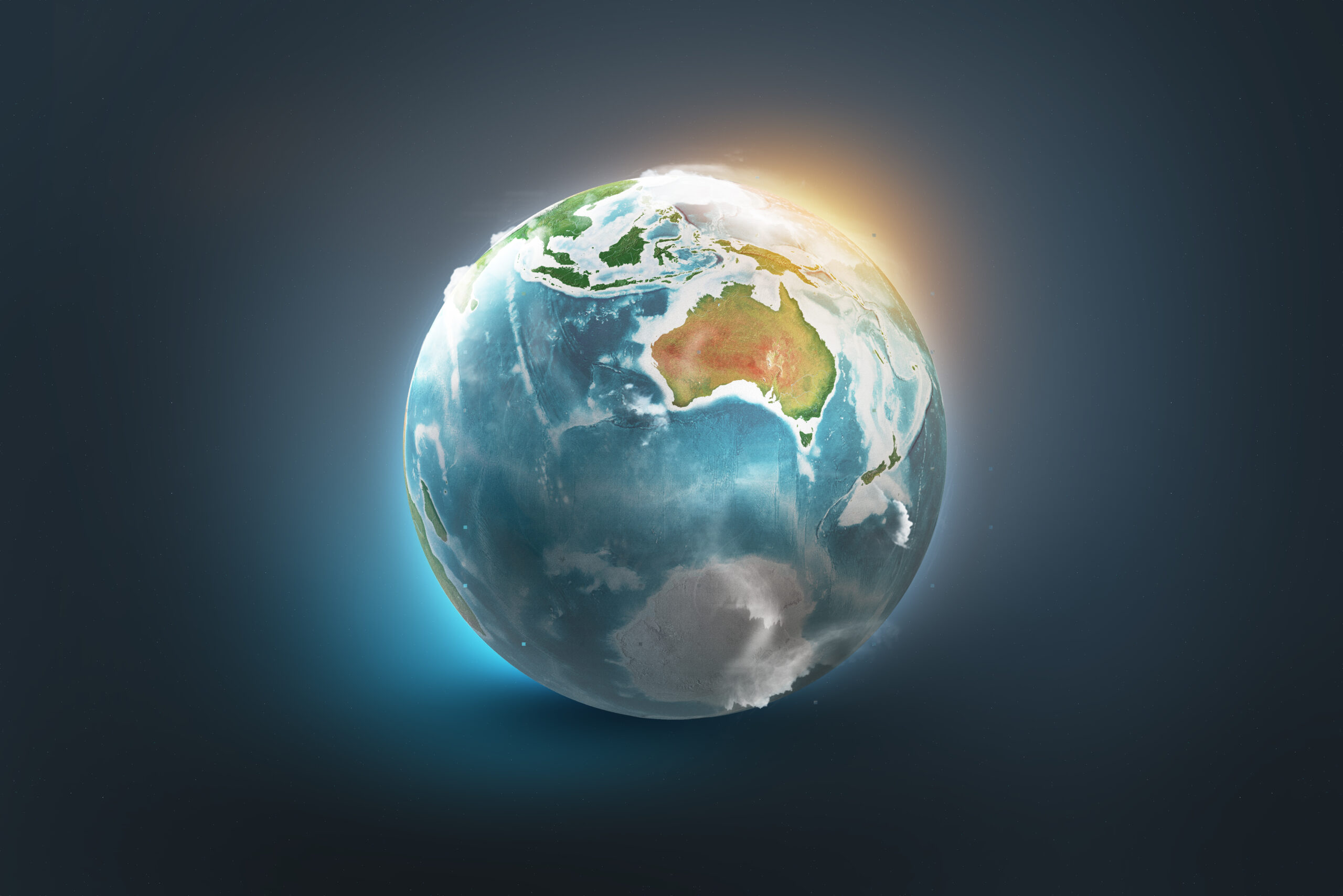
Today is World Meteorology Day and this year we are celebrating the ocean. The ocean covers 70% of the Earth’s surface and influences earth’s weather and climate.

Of course, most Australian’s love the ocean, beach holidays and if you are lucky enough you might have an ocean view from your house. But how does it influence the weather, climate, business and even the economy?
In terms of the economy, more than 95% of Australian exports are transported by sea. That’s a huge amount although it is not a surprise when you think about it, as most of Australia’s exports are heavy commodities such as iron ore, which are too heavy and expensive to transport via planes.
Australia is an island with an extensive coastline extending in excess of 60,000 kilometres in length, facilitating a substantial maritime sector worth an estimated annual revenue of $6.88 billion. The maritime sector operates in a globalised shipping network, as well as across local markets including fishing and aquaculture, tourism, and patrol and rescue operations.
The ocean has a large influence on Australia and the world’s climate and weather, but why?
Ocean water is always evaporating, feeding moisture into the surrounding air, which contributes to the development of storms and rain that are often carried by winds onto land. In fact, a lot of Australia’s rainfall originates from the ocean, particularly warmer oceans.
A good example of this is that both La Nina and El Nino are driven by warm ( La Nina) or cool (El Nino) oceans to the north of Australia. La Nina typically increases rainfall, elevates the risk of tropical cyclones and reduces daytime temperatures and extremes for much of Australia. While El Nino may bring drought, heat extremes and elevated fire danger to Australia.
Tropical cyclones are one of the most dangerous weather phenomena that the ocean generates. They are giant engines that require warm and moist air as fuel and hence only develop in warm tropical oceans.
Cyclone Tracy in 1974 was Australia’s second most expensive hazard, which formed over the ocean before impacting the Northern Territories Top End costing $5.1 billion.
There are many other threats associated with the oceans such as tides, swells and tsunami’s. DTN APAC regularly monitors the ocean and how it is changing, modelling how it affects the atmosphere and delivering a wide variety of marine services.
Today, the growing impacts of climate change are making ocean services and observations more critical than ever before.
What DTN APAC can do for offshore oil, gas and marine clients?
Here at DTN APAC we can optimise profitability, reduce the risk to assets and personnel and can help minimise environmental impact. For more information please do not hesitate to contact us at apac.sales@dtn.com