
Prosper in a dynamic world
Search

WA: wintry chill down south, tropical cyclone up north

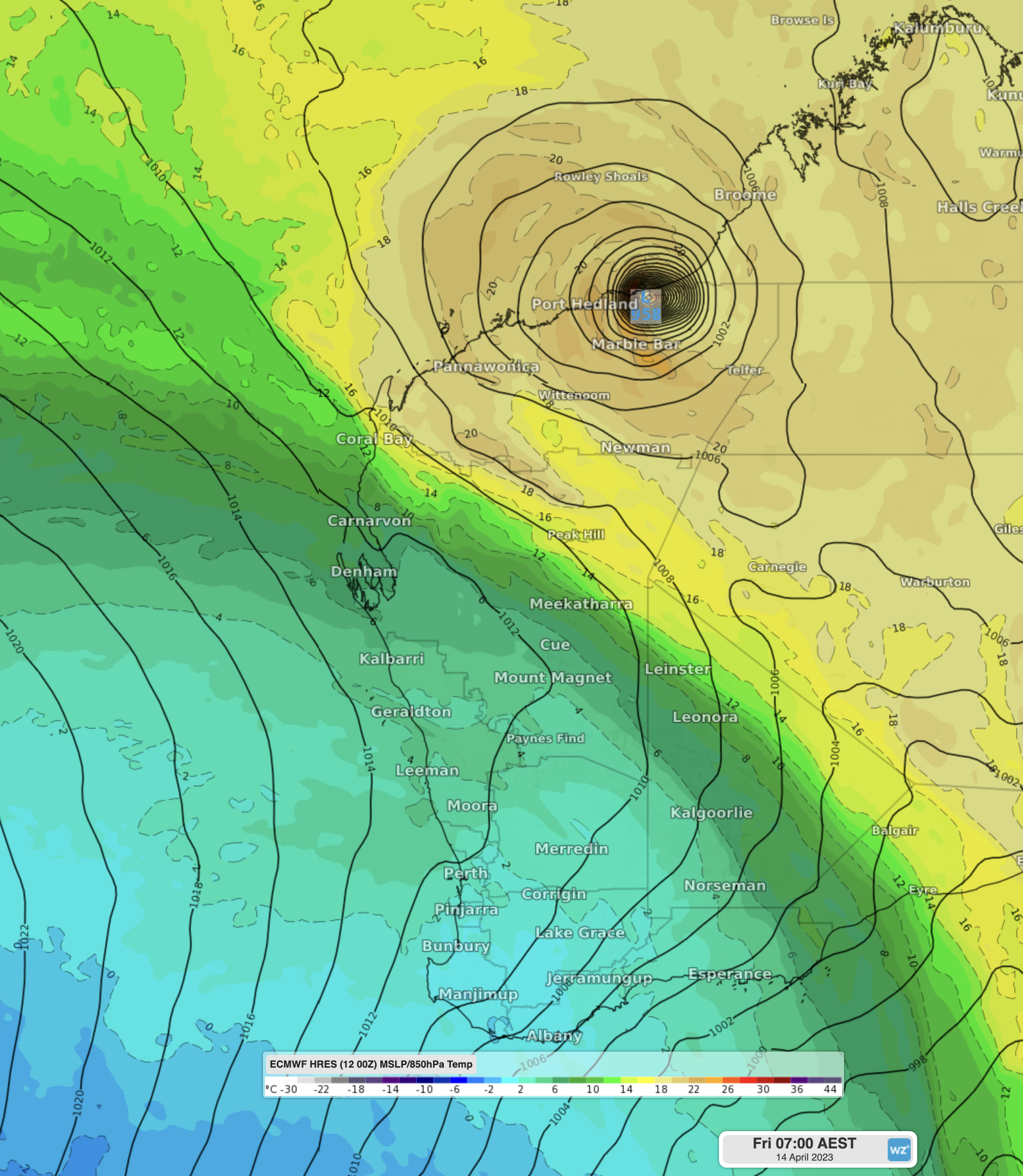
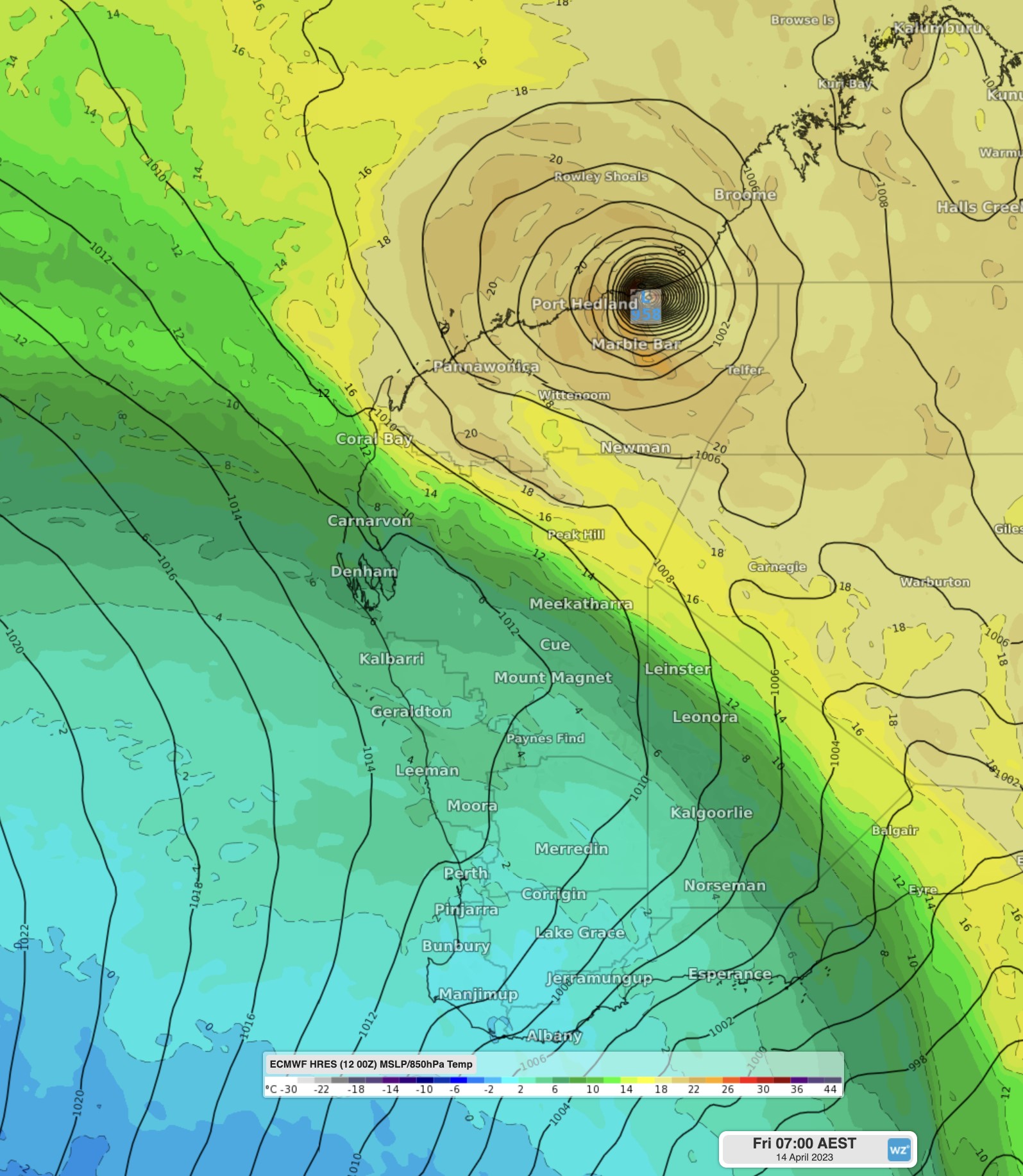
It’s all happening in West Australian weather right now, with Severe Tropical Cyclone Ilsa bearing down on the Kimberley and Pilbara while a strong cold front lurks southwest of Perth as WA sees a wintry chill down south.

We’ve written lots about Ilsa this week and there will be plenty more to cover as it reaches Category 4 strength and crosses the coastline later on Thursday.

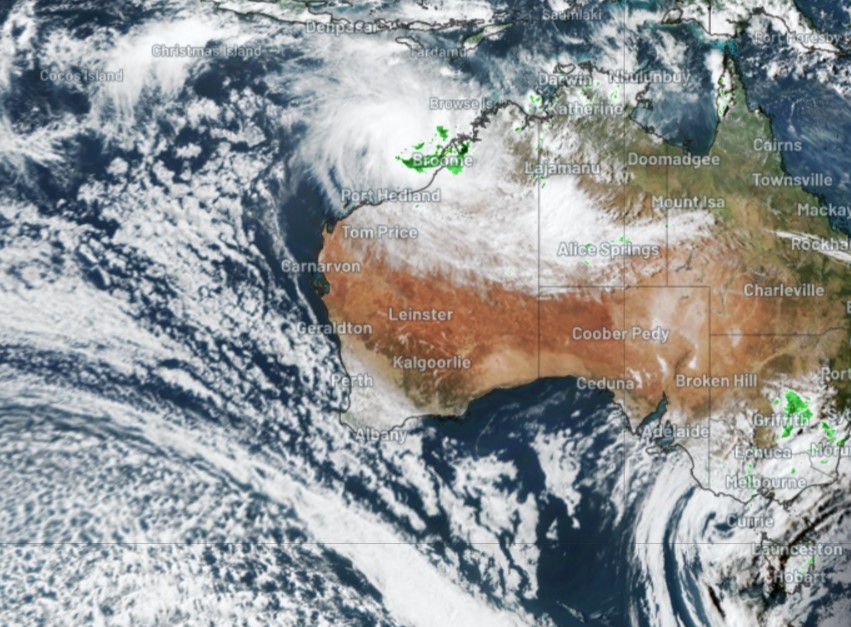
For now, let’s focus on the system set to impact WA’s South West Land Division in coming days. You can see the arched cloudband and tell-tale speckle cloud pattern of polar air behind the cold front on the Wednesday afternoon satellite image. You also can’t miss TC Ilsa.
WA: wintry chill down south. tropical cyclone up north

It’s quite the contrast to see two powerful systems like this simultaneously about to impact a single Australian state.

For Perth, the first serious cold front of autumn won’t bring a lot of rain, but it will usher in the first day of 2023 with a maximum below 20°C, with Friday topping out at 18°C or 19°C.
WA: wintry chill down south. tropical cyclone up north

On the south coast, Albany will reach only 15°C on Friday, and plenty of rain can be expected down that way too, along with some small hail.

Indeed, Albany’s average max temp in July (the coldest month) is 15.8°C. So we’re going to see southern parts of WA shiver through temps colder than an average winter day, while a cyclone rages up north.

That says plenty about the time of year, but mostly it speaks to the vastness of the great state of Western Australia.

As ever, please check our warnings page for the latest on Severe Tropical Cyclone Ilsa and any other extreme weather.

To find out about Weatherzones temperature, visit our website or email us at apac.sales@dtn.com.

Latest news

Satisfy your weather obsession with these news headlines from around the nation, and the world.

El Niño Is Here: What a Potential Record Event Means for Southeast Asia and Australia

  El Niño was officially declared in June 2026, raising the prospect of widespread impacts across Southeast Asia, from extreme heat and water shortages to higher energy demand and agricultural stress.   The World Meteorological Organization has warned countries to “prepare for it to be severe”, while several global forecast models suggest the event could rank among […]

How El Niño will shape Australian port operations in winter-spring 2026

Australian ports and marine pilots can expect a season of shifting wind and swell patterns through winter and spring 2026, as a developing El Niño brings the likelihood of drier conditions and more variable operating windows across the country’s coastline.  Will El Niño develop in 2026?  There are clear signs that an El Niño pattern is becoming […]

From Kimberley to northern NSW: Bushfire outlook flags risk for resources sector this winter

Bushfire risk doesn’t usually make headlines in June, but AFAC’s winter seasonal outlook is putting mining and resources operators on alert from the Kimberley to the NSW.  Australia’s official seasonal bushfire outlook for winter 2026 was released by AFAC on Thursday, May 28. The outlook predicts increased fire risk across the northern parts of the Great Sandy Desert and surrounds […]

The signal was there weeks earlier: forecasting one of the year’s biggest wind events

In mid-May 2026, DTN APAC meteorologists flagged a strengthening Southern Ocean pattern in model guidance, signalling an extended run of record-challenging wind conditions across the NEM.  Nearly three weeks later, NEM wind generation climbed from around 1.5GW to more than 9GW, supplying roughly one-third of the grid and coming within 1GW of the all-time generation record.  The event highlighted […]


