Prosper in a dynamic world
Search

WA: wintry chill down south, tropical cyclone up north

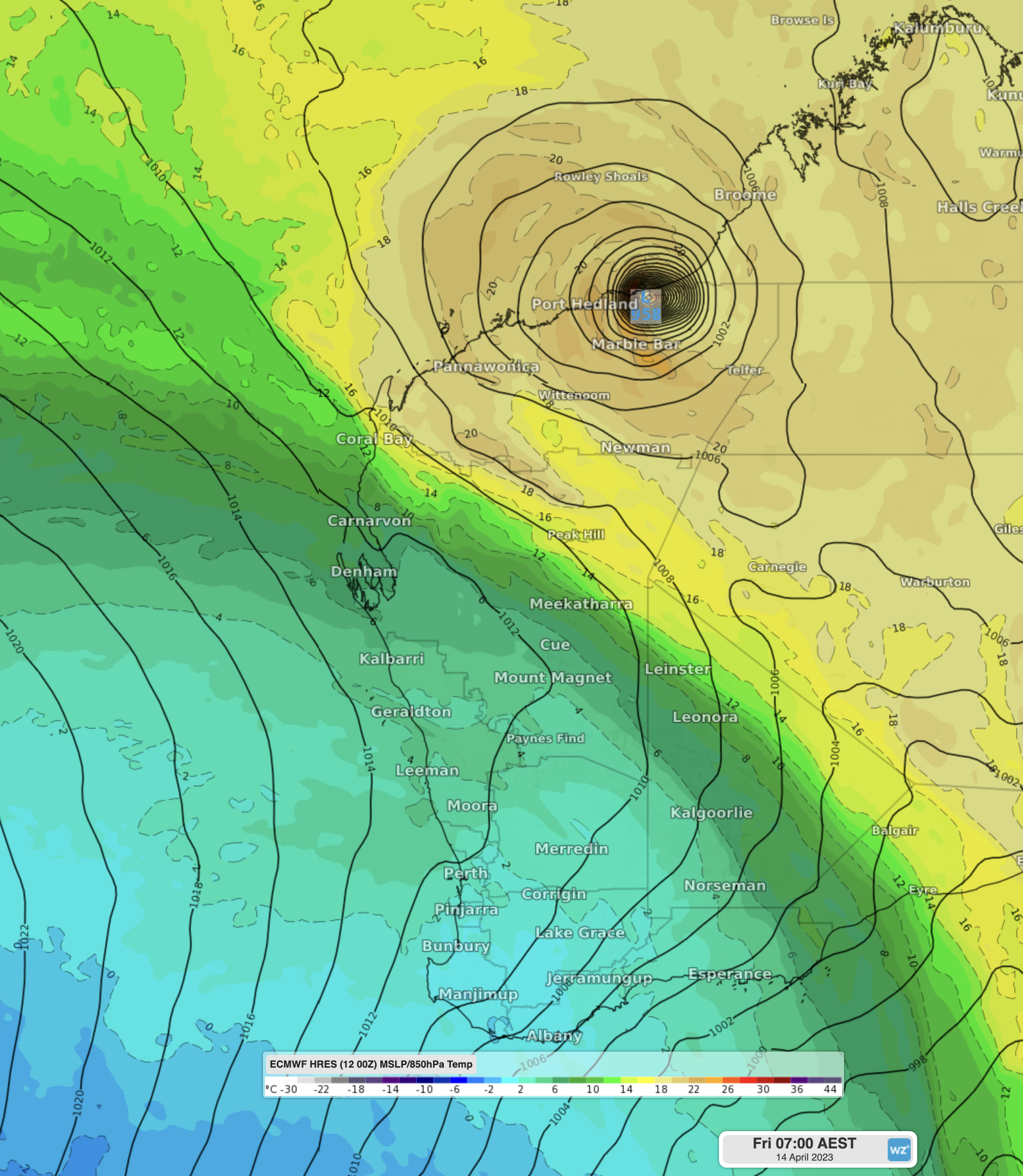
It’s all happening in West Australian weather right now, with Severe Tropical Cyclone Ilsa bearing down on the Kimberley and Pilbara while a strong cold front lurks southwest of Perth as WA sees a wintry chill down south.

We’ve written lots about Ilsa this week and there will be plenty more to cover as it reaches Category 4 strength and crosses the coastline later on Thursday.

For now, let’s focus on the system set to impact WA’s South West Land Division in coming days. You can see the arched cloudband and tell-tale speckle cloud pattern of polar air behind the cold front on the Wednesday afternoon satellite image. You also can’t miss TC Ilsa.
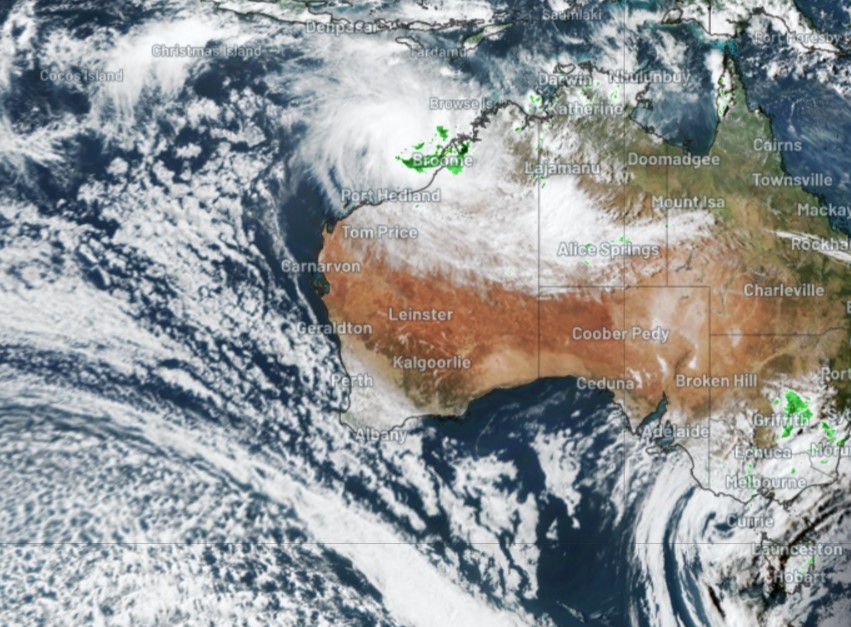
WA: wintry chill down south. tropical cyclone up north

It’s quite the contrast to see two powerful systems like this simultaneously about to impact a single Australian state.

For Perth, the first serious cold front of autumn won’t bring a lot of rain, but it will usher in the first day of 2023 with a maximum below 20°C, with Friday topping out at 18°C or 19°C.
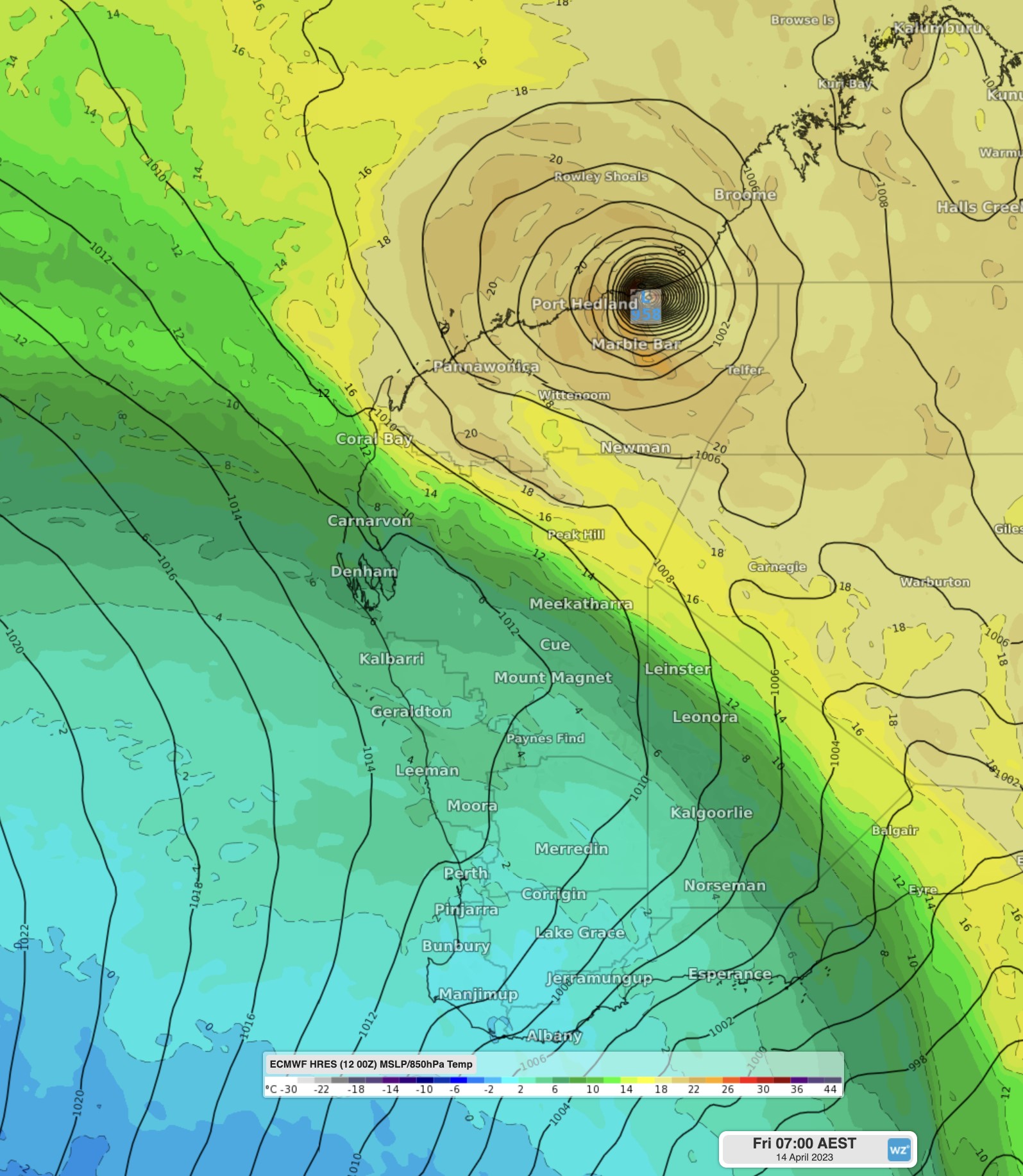
WA: wintry chill down south. tropical cyclone up north

On the south coast, Albany will reach only 15°C on Friday, and plenty of rain can be expected down that way too, along with some small hail.

Indeed, Albany’s average max temp in July (the coldest month) is 15.8°C. So we’re going to see southern parts of WA shiver through temps colder than an average winter day, while a cyclone rages up north.

That says plenty about the time of year, but mostly it speaks to the vastness of the great state of Western Australia.

As ever, please check our warnings page for the latest on Severe Tropical Cyclone Ilsa and any other extreme weather.

To find out about Weatherzones temperature, visit our website or email us at apac.sales@dtn.com.
Latest news

Satisfy your weather obsession with these news headlines from around the nation, and the world.

How does DTN help businesses monitor bushfire induced pyrocumulonimbus thunderstorms that ignite more fires?

Intense heat from bushfires during elevated fire danger days can trigger fire-induced pyrocumulonimbus thunderstorms that ignite additional fires. In early January 2026, an extreme heatwave sweeping over southeastern Australia brought catastrophic fire danger to Victoria. Intensely hot bush and grass fires spread erratically and quickly in hot, dry and gusty winds, with pyrocumulonimbus generating lightning, […]

Active seas to the north and east of Australia disrupting port and maritime operations

Seas to the north and east of Australia are experiencing periods of increased activity this week, leading to disruptions to port, maritime and offshore operations. Intense and hazardous Tasman Sea Ocean conditions across NSW’s South Coast rapidly deteriorated last Friday as a deep feed of easterly winds whipped up large and dangerous seas. The Batemans […]

Transport, emergency and energy industries flooded across Greater Sydney with weekend deluges

Transport, emergency, energy and port industries in eastern NSW and Sydney were impacted by significant flash flooding with intense and heavy rainfall this weekend. Rainfall rates between 80 and 140mm in one to three hours were registered across parts of Sydney’s Northern Beaches and Central Coast on Saturday afternoon and evening. In some areas, these […]

DTN Dangerous Thunderstorm Alerts in action with severe thunderstorms disrupting Perth industries

Severe thunderstorms impacted southwest WA and the Perth region on Sunday, December 14, 2025, triggering Dangerous Thunderstorm Alerts (DTA) by DTN for industries and businesses in the region. DTN operates Dangerous Thunderstorm Alerts (DTA) which alert businesses and industries to thunderstorms based on intensity and movement. These alerts provide advanced notice of thunderstorms moving into […]