
Anticipating a Solar Power Renaissance: A Bright Outlook for Sustainable Energy in the Coming Year
Australia has passed the spring equinox and will now have more daylight than darkness for the rest of the year. Solar power is set to soar as the long days, warm and sunny months of the year are upon us.
The Southern Hemisphere’s spring equinox occurred on the weekend, marking the moment the sun was positioned directly above the Earth’s equator. Following Saturday’s equinox, the sun’s position relative to Earth will now be above the Southern Hemisphere for the next six months.
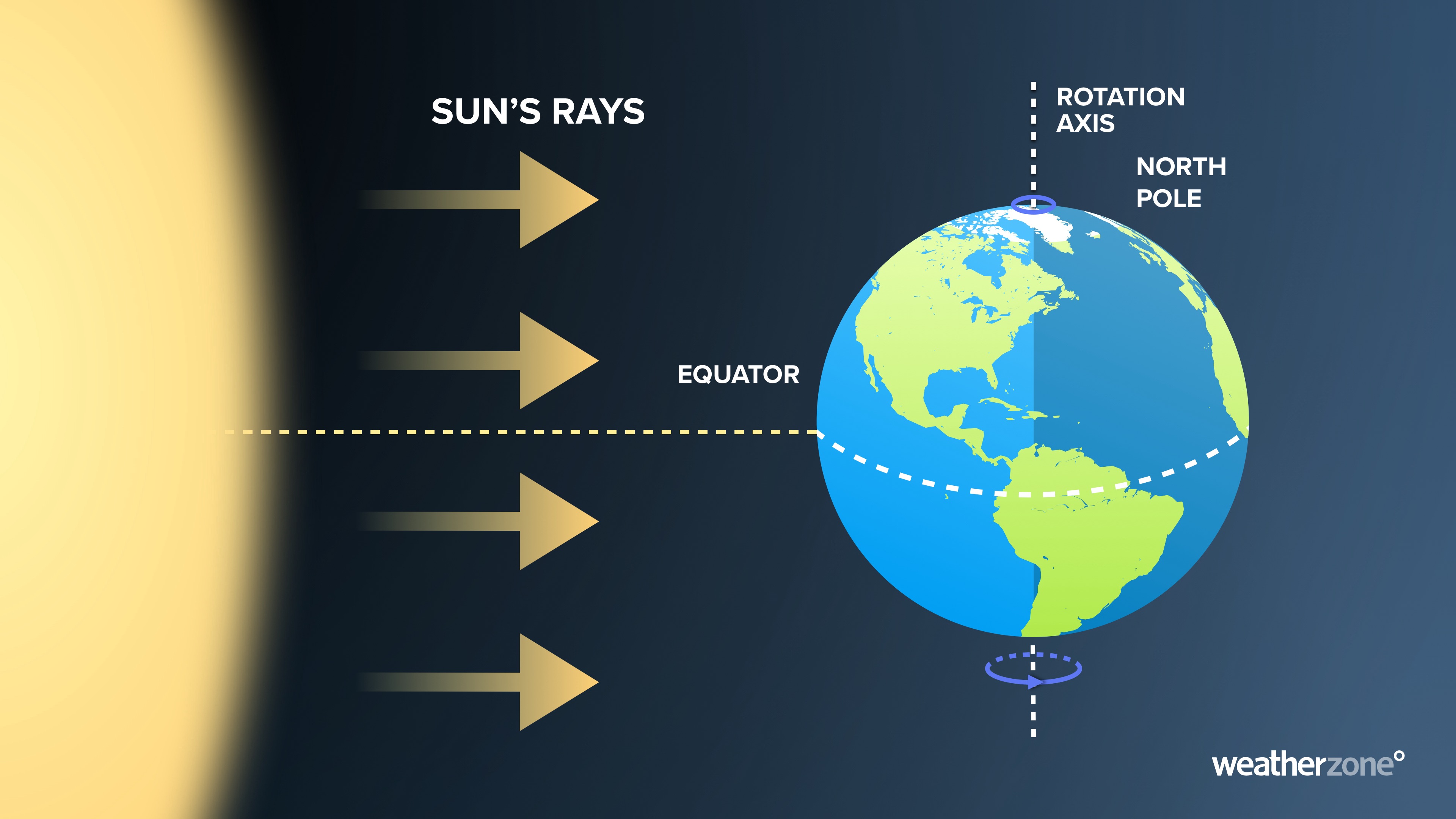
Image: Orientation of the Earth relative to the Sun at the spring equinox.
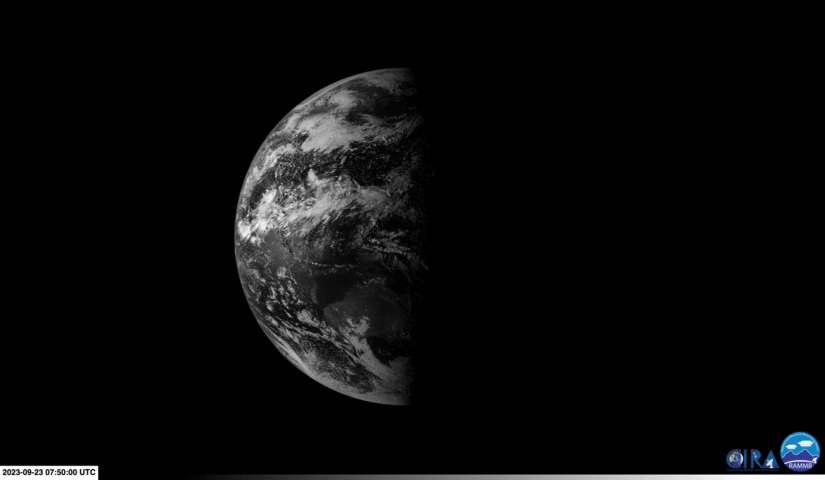
One captivating way to observe the equinox is to view satellite images of Earth to see the solar terminator (line between day and night) running perpendicular to the equator. This orientation of the terminator is what makes day and night roughly equal in length across the planet on the date of the equinox.
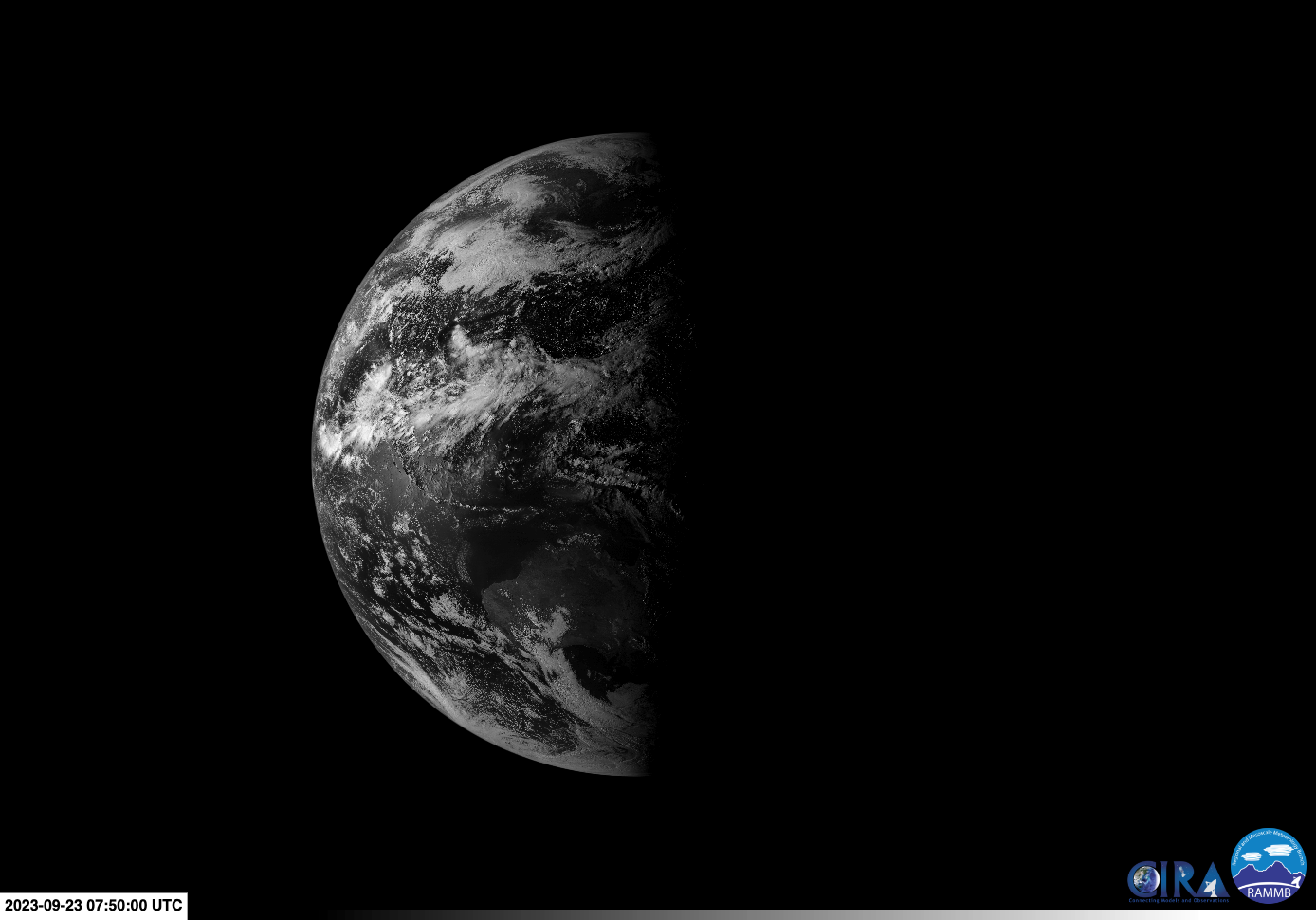
Image: Visible satellite image of Earth captured by the Himawari-9 satellite one hour after the 2023 September equinox. Source: RAMMB/CIRA
Now that the equinox has passed, the Southern Hemisphere will be tilted towards the Sun more than the Northern Hemisphere for the rest of 2023. This will make days are longer than nights in Australia, with days gradually growing longer, and nights getting shorter, until the summer solstice in late-December.
This year’s spring equinox occurred one week before the start of Daylight Saving Time (DST), which kicks off in NSW, Vic, SA, Tas, the ACT and Norfolk Island at 2am this coming Sunday. For these states and territories, days won’t only last longer but will soon end a little later too.
The longer days and the warm and dry weather forecast this season should increase the solar output across the country in the coming months.
How can Weatherzone help you harness the sun’s energy?
Our market-leading partnership with Solcast, a DNV company deliver highly specialised solar data to the Australian renewable energy industry.
Designed for utility scale solar sites, we offer you a globally proven solution.
With low upfront CAPEX and powerful cloud-based information systems, you can access a complete suite of irradiance and weather data to ensure forecast accuracy and improve site efficiency.
Solcast is the world leader in real-time actuals and rapid-update solar forecasts. This solution utilises Solcast’s centralised Amazon Web Services’ (AWS) cloud infrastructure for all complex algorithmic processes and data plumbing. You will gain the power of AWS to interpret and deliver your data at top speed, providing real-time, historical and forecasting estimates direct to your API.
Receive monitoring and support from the Weatherzone and Solcast teams, 24/7. For more information, please contact us at apac.sales@dtn.com.




