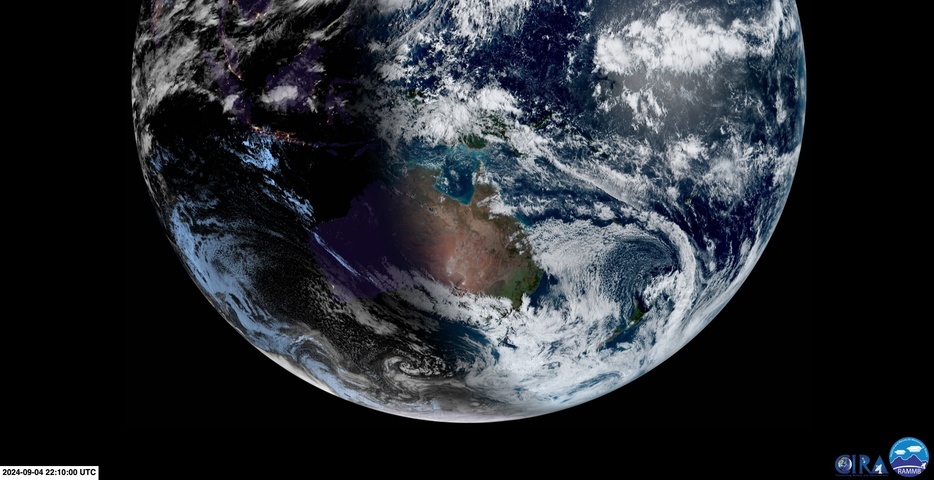
The Southern Hemisphere’s spring equinox will occur in just over two weeks’ time, meaning days are about to become longer than nights across Australia, increasing solar output across the country.
What is the spring equinox in Australia?
The term equinox refers to the date when the Sun appears to be positioned directly above Earth’s equator. This happens twice each year, once in late September and again towards the end of March.
Day and night are roughly equal in length for most places on Earth around the dates of the equinoxes. In September, the Southern Hemisphere starts to become more tilted towards the Sun following the equinox, which causes days to be longer than nights in the Southern Hemisphere for the following six months.
This year’s Southern Hemisphere spring equinox will occur at 10:44pm AEST on September 22. On this date, there will be roughly (but not exactly) 12 hours between sunrise and sunset across Australia.
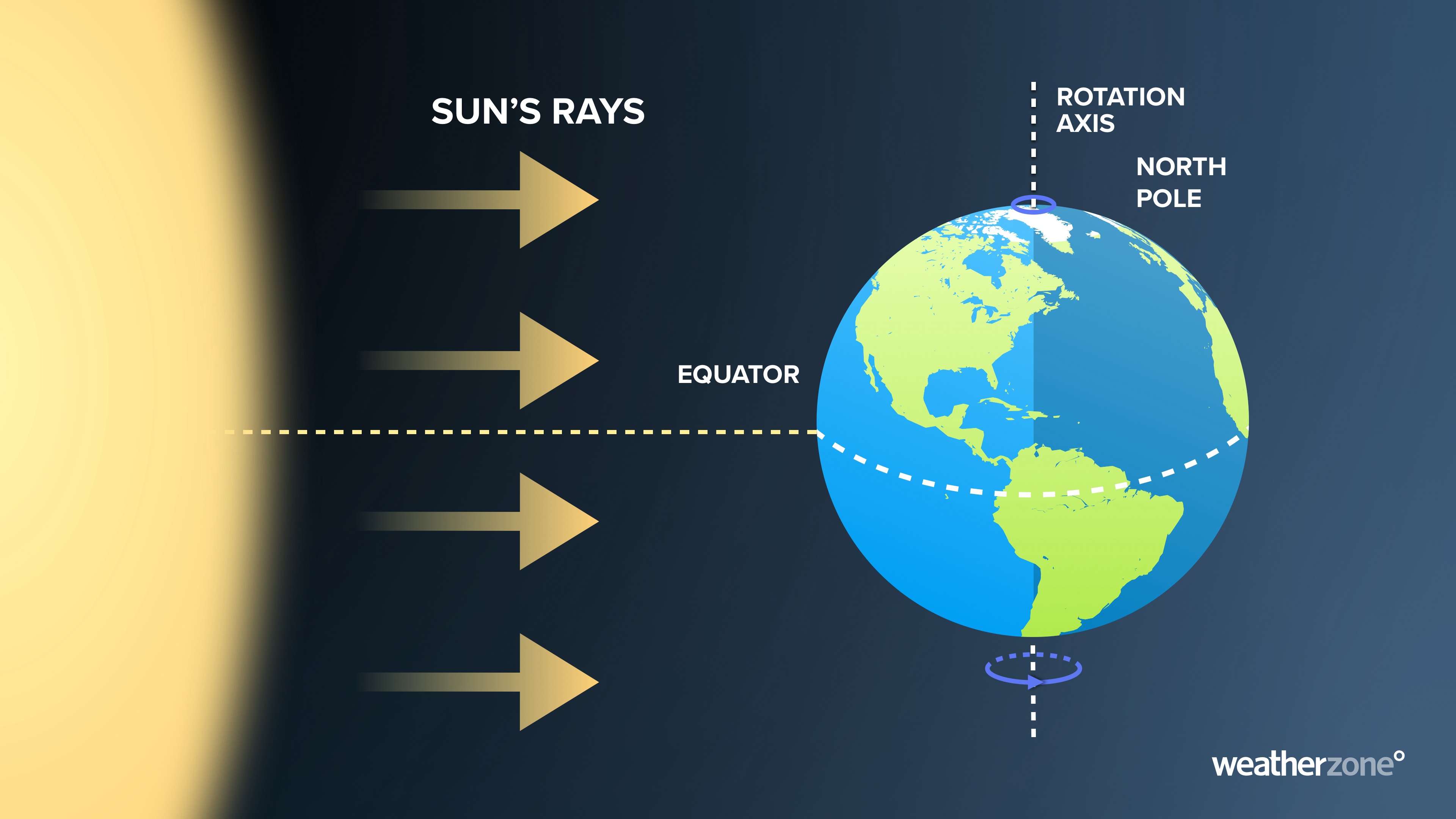
Image: Relative orientation of the Sun and Earth at the time of the equinox.
Not exactly equal day and night
While day and night are nearly equal in length on the date of the equinox, the equinox day is actually a tiny bit longer than its night because:
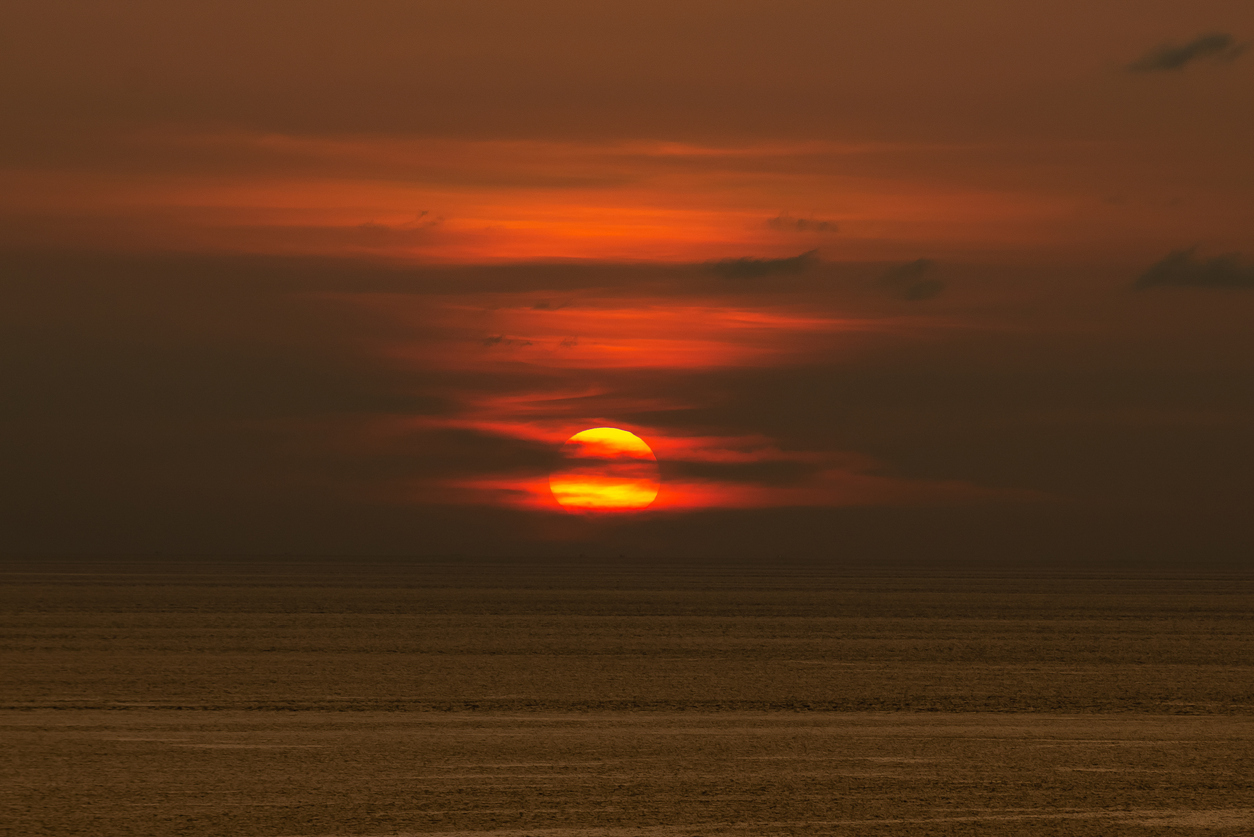
- Sunrise and sunset are defined as the moment the top edge of the sun reaches the horizon. Because the sun’s face is a large disc, it takes several minutes for the full face of the sun to sink below the horizon at sunset in most populated parts of our planet. This adds a bit of extra daylight to the day. If sunrise and sunset were measured when the centre of the sun reached the horizon, then day and night would be closer to equal length on the date of the equinox.
- Our atmosphere bends light. This allows light to remain visible even when the sun is sitting just below the horizon after sunset and before sunrise.
Due to the factors outlined above, the date when day and night are equal in length across Australia actually occurs a few days before the Southern Hemisphere’s spring equinox. This date of equal light and darkness is called the equilux.
This year’s spring equilux will range from around September 12 in far northern Australia to around September 19 in far southern Australia. The equilux in Sydney and Melbourne equilux will fall on September 19.
How can Weatherzone help you harness the sun’s energy?
Weatherzone Business and Solcast are a market-leading partnership delivering highly specialised solar data to the Australian renewable energy industry.
Designed for utility scale solar sites, we offer you a globally proven solution.
With low upfront CAPEX and powerful cloud-based information systems, you can access a complete suite of irradiance and weather data to ensure forecast accuracy and improve site efficiency.
Solcast is the world leader in real-time actuals and rapid-update solar forecasts. This solution utilises Solcast’s centralised Amazon Web Services’ (AWS) cloud infrastructure for all complex algorithmic processes and data plumbing. You will gain the power of AWS to interpret and deliver your data at top speed, providing real-time, historical and forecasting estimates direct to your API.
Receive monitoring and support from the Weatherzone and Solcast teams, 24/7. For more information, please visit our website or email us at apac.sales@dtn.com.