Prosper in a dynamic world
Search

Heatwave to snow on Alps

Light snow has fallen across Tasmania and the alpine areas of New South Wales and Victoria on a day when Victoria’s last ski resort (Falls Creek) closed, proving the weather gods have a cruel sense of humour.

Snow was heaviest in Tasmania, with an accumulation of several centimetres at the tiny club-run ski field of Mt Mawson, two hours northeast of Hobart.
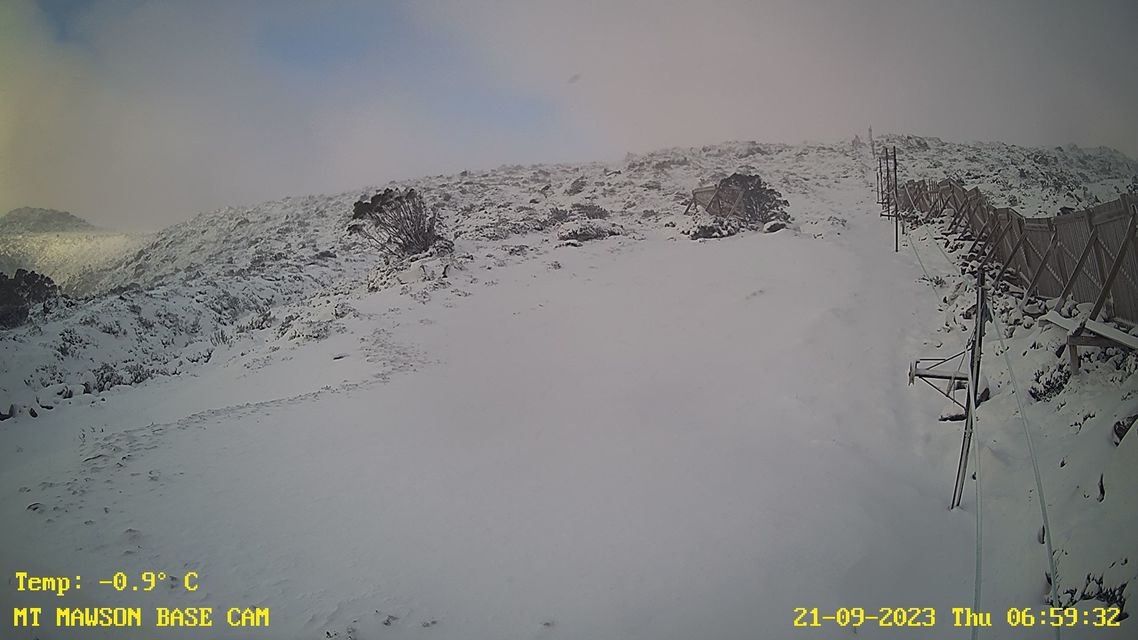
Image: The date stamp reveals all. Source: Mt Mawson.

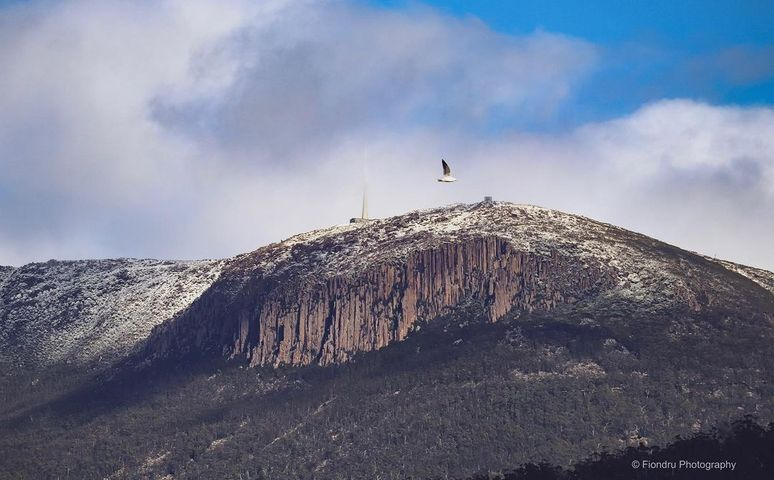
On the flanks of kunanyi/Mt Wellington just outside Hobart, the snow wasn’t quite heavy. The mountain recorded 1.2 mm of the frozen flaky form of precipitation in the 24 hours to 9 am Thursday, which translates roughly to a centimetre of snow.

A dusting like that will likely be gone by later today, but Hobart’s photographers were out and about on Thursday morning snapping the mountain – and a rogue seagull or two – in all its glory.
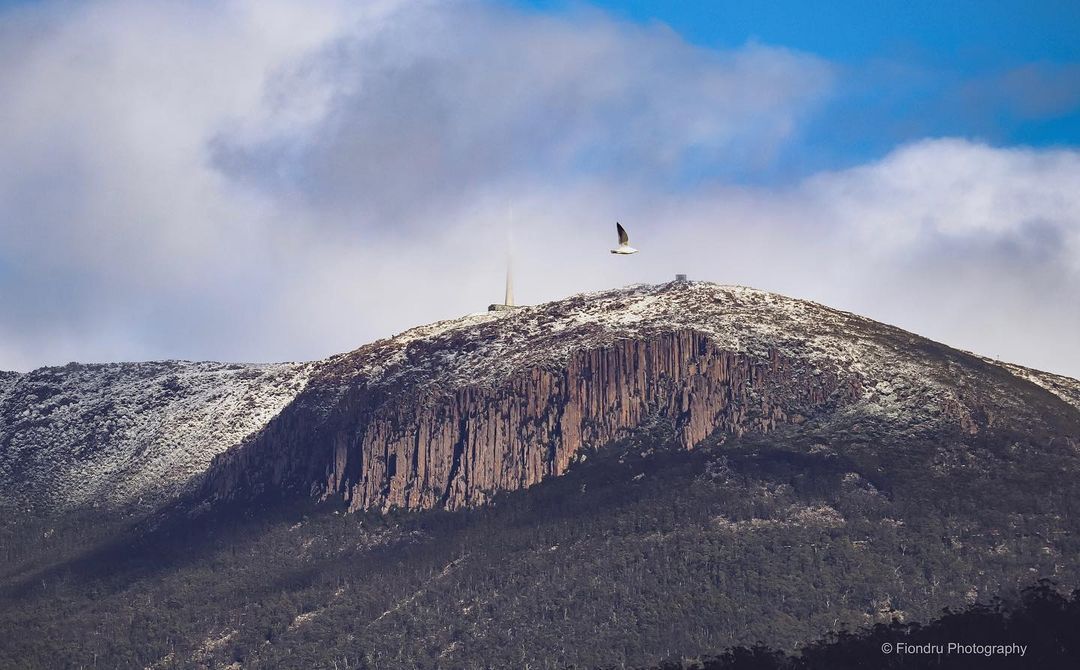
Image: No chips, but there was a bit of flake. Source: @fiondru.photography on Instagram. 

The cool air down south has replaced the heat which dominated the first part of this week, with cool air moving about halfway up the NSW coast.

In northeast NSW and southeast Qld, it promises to be a scorcher this Thursday, with temps heading for the low-to-mid thirties in all but the most exposed coastal areas like Cape Byron.
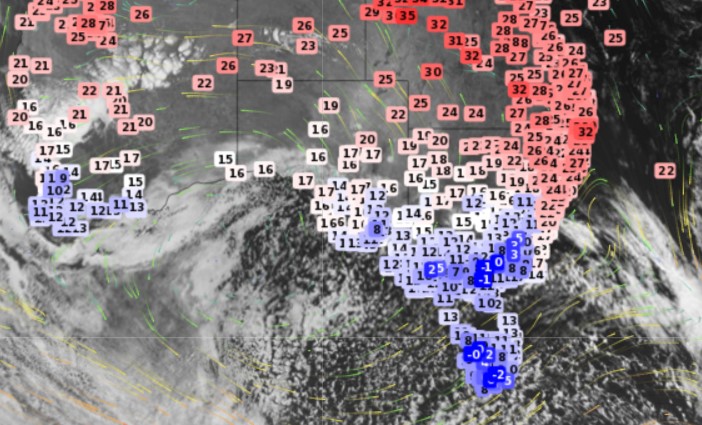
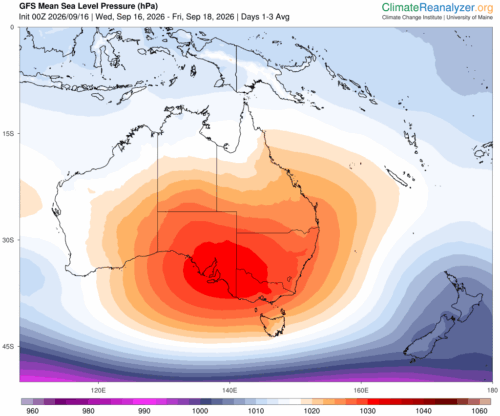
Back down south, that cold air is set in for a couple of days. A speckled Southern Ocean airmass is always a sign of cold air down south, and max temps won’t return to the twenties in Melbourne or Hobart until Sunday.

Canberra should even see frost over the next few mornings with minimum temps around the freezing mark. For more information on our maximum and minimum temperature forecasts, extreme temperatures and heatwaves to snow, please contact us at apac.sales@dtn.com.

Latest news

Satisfy your weather obsession with these news headlines from around the nation, and the world.

Signs of a positive Indian Ocean Dipole, but it may not follow the textbook

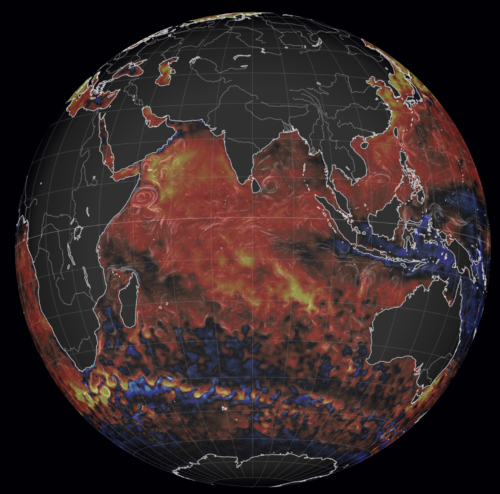
Waters off Indonesia have cooled in recent weeks, an indication that a positive Indian Ocean Dipole (IOD) event could be developing. It’s an important climate driver for Australia, and it could shape rainfall and temperatures heading into summer, with flow-on effects for farmers, energy and other industries.  What is the Indian Ocean Dipole?  The IOD […]

1.3 million lightning strikes and a record September downpour: the storms testing WA’s Goldfields

Leonora, WA, had its wettest September day on record earlier this month. Three weeks later, more than 1.3 million lightning pulses were detected within 800 km of the town in 48 hours. Why is a stalled trough delivering storms to mining country, and what it could mean for operations?  The DTN Total Lightning Network detected […]

A very low wind power week, likely to continue

A stubborn blocking high over southern Australia will make for a very quiet week for wind generation and the pattern behind it isn’t a one-off.   It’s the seasonal signature of a super (very strong) El Niño combined with a positive Southern Annular Mode (SAM), and both the historical record and the current seasonal forecast suggest it’s likely to keep recurring through spring before a potential switch from November.  The setup right […]

Fastest strengthening El Niño on record: Impacts on Australian monsoon timing and wet season planning

Australia’s Mining and Resources sectors are bracing for a wet season shaped by one of the most rapidly developing El Niño events on record.    Looking back at how the strongest El Niño events in Australian history have played out, it becomes apparent that mining operations in Australia should be planning for a later monsoon […]