Prosper in a dynamic world
Search

Australia’s coldest January in 21 years

Australia just experienced its coolest start to a year since 2002 as the ongoing influence of La Nina helped suppress temperatures over large parts of the country.

The national mean temperature in Australia during January was equal to the 1961 to 1990 average, making it the country’s coolest January in 21 years.
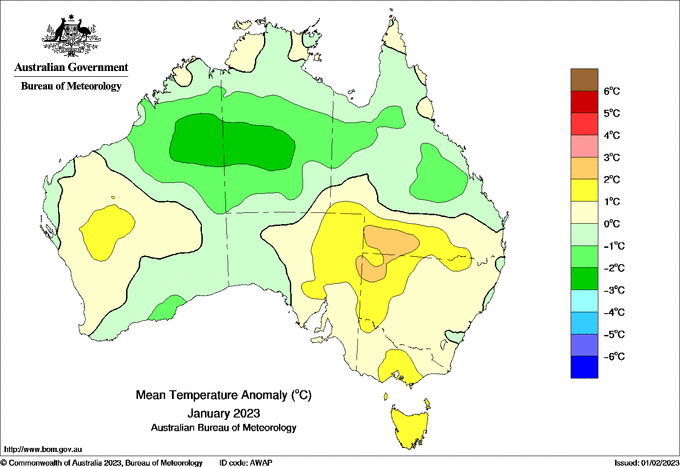
Image: Mean temperature deciles in January 2023. Source: Bureau of Meteorology

Daytime maximum temperatures were particularly cool across large swathes of northern and central Australia, thanks to abundant cloud cover, frequent rain and the cooling effect of water evaporating from the sodden landscape.

Australia’s mean maximum temperature last month came in 0.3ºC below the 1961 to 1990 average, also the coolest national mean maximum since 2002.
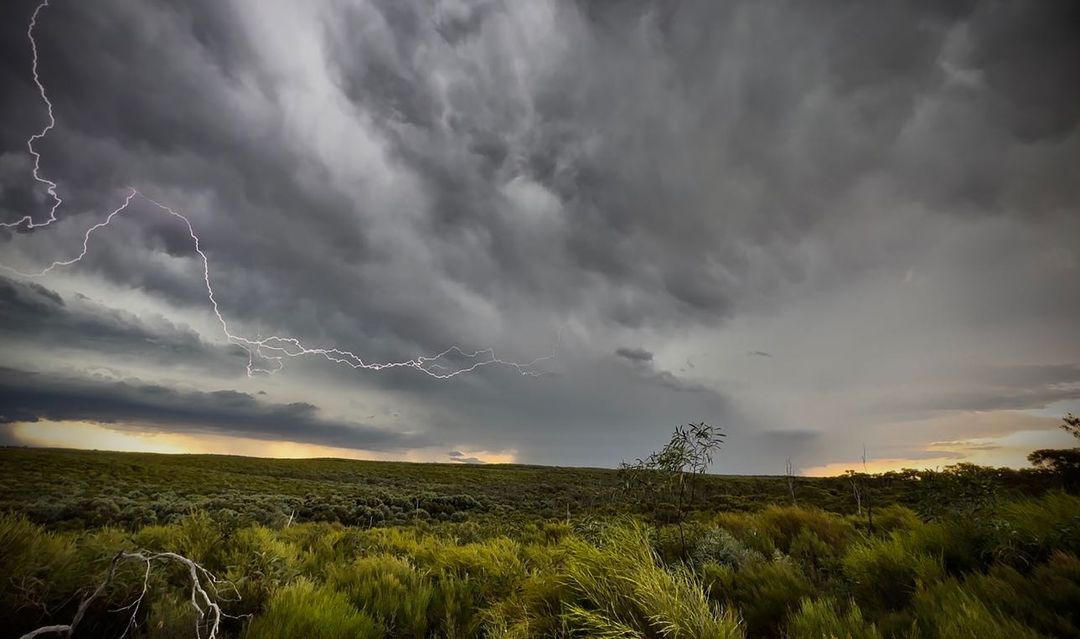
Image: Cloud and lightning near Bendigo, Vic in early January 2023. Source: @chxute74 / Instagram

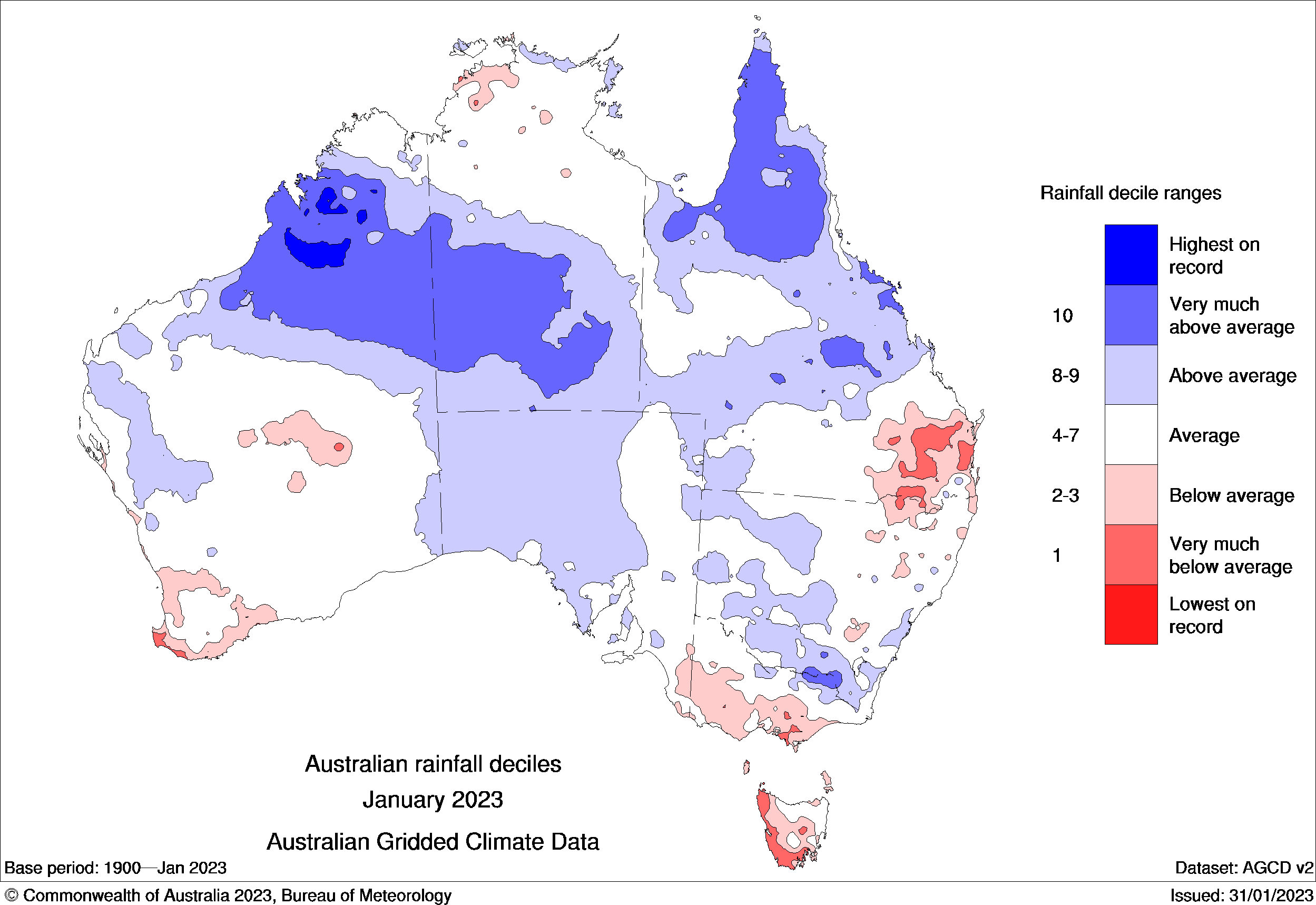
Rainfall was mixed across Australia in January, with above average falls in the north and patches of drier than usual weather in the east and south.
Australia's coldest January in 21 years

Image: Rainfall deciles in January 2023. Source: Bureau of Meteorology

When averaging rainfall across the country, Australia just had its wettest January in six years.

DTN APAC can provide climate updates tailored to your business, whether its local or international. To request a briefing or to find out more please email us at apac.sales@dtn.com.

Latest news

Satisfy your weather obsession with these news headlines from around the nation, and the world.

Signs of a positive Indian Ocean Dipole, but it may not follow the textbook

Waters off Indonesia have cooled in recent weeks, an indication that a positive Indian Ocean Dipole (IOD) event could be developing. It’s an important climate driver for Australia, and it could shape rainfall and temperatures heading into summer, with flow-on effects for farmers, energy and other industries.  What is the Indian Ocean Dipole?  The IOD […]

1.3 million lightning strikes and a record September downpour: the storms testing WA’s Goldfields

Leonora, WA, had its wettest September day on record earlier this month. Three weeks later, more than 1.3 million lightning pulses were detected within 800 km of the town in 48 hours. Why is a stalled trough delivering storms to mining country, and what it could mean for operations?  The DTN Total Lightning Network detected […]

A very low wind power week, likely to continue

A stubborn blocking high over southern Australia will make for a very quiet week for wind generation and the pattern behind it isn’t a one-off.   It’s the seasonal signature of a super (very strong) El Niño combined with a positive Southern Annular Mode (SAM), and both the historical record and the current seasonal forecast suggest it’s likely to keep recurring through spring before a potential switch from November.  The setup right […]

Fastest strengthening El Niño on record: Impacts on Australian monsoon timing and wet season planning

Australia’s Mining and Resources sectors are bracing for a wet season shaped by one of the most rapidly developing El Niño events on record.    Looking back at how the strongest El Niño events in Australian history have played out, it becomes apparent that mining operations in Australia should be planning for a later monsoon […]