Prosper in a dynamic world
Search

2023 confirmed as Earth’s warmest year on record


New data released by the Copernicus Climate Change Service has confirmed that 2023 was Earth’s warmest year on record, with an annual mean temperature close to 1.5ºC above pre-industrial levels.

According to the highly-regarded ERA5 dataset, Earth’s global average temperature during 2023 was 14.98ºC. This was 1.48ºC warmer than the 1850-1900 ‘pre-industrial’ average and 0.17ºC above the previous warmest year on record, 2016.
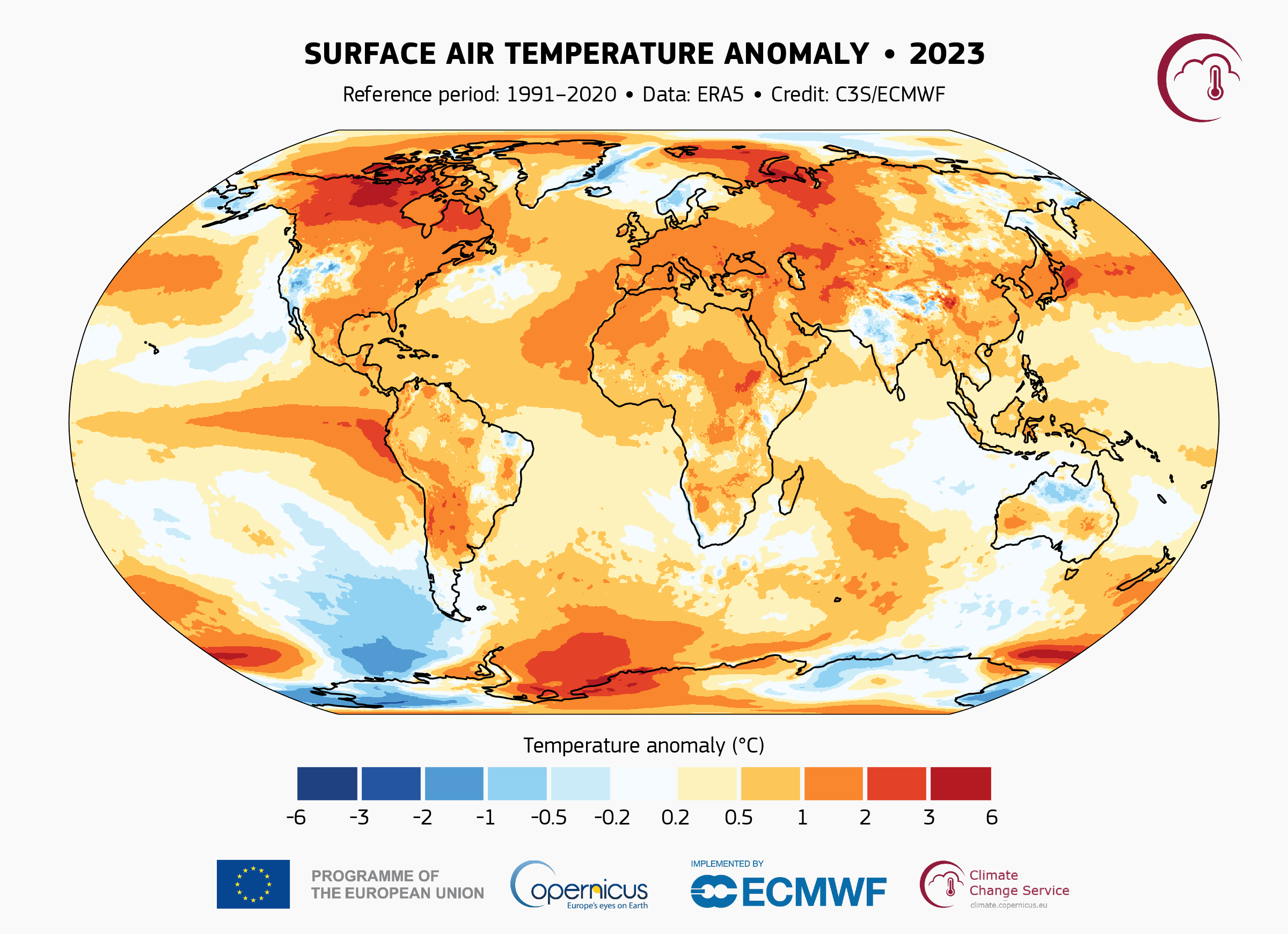
Image: Surface air temperature anomaly during 2023, according to the ERA5 dataset. Source: Copernicus Climate Change Service / ECMWF

This new record won’t come as a surprise to those who have been tracking the pulse of our planet’s climate over the last 8 to 10 months.

Since the breakdown of La Niña early last year, global sea surface temperatures have been running at record high levels since March 2023. In the atmosphere, each of the past seven months (June to December 2023) ranked as the warmest respective months on record.
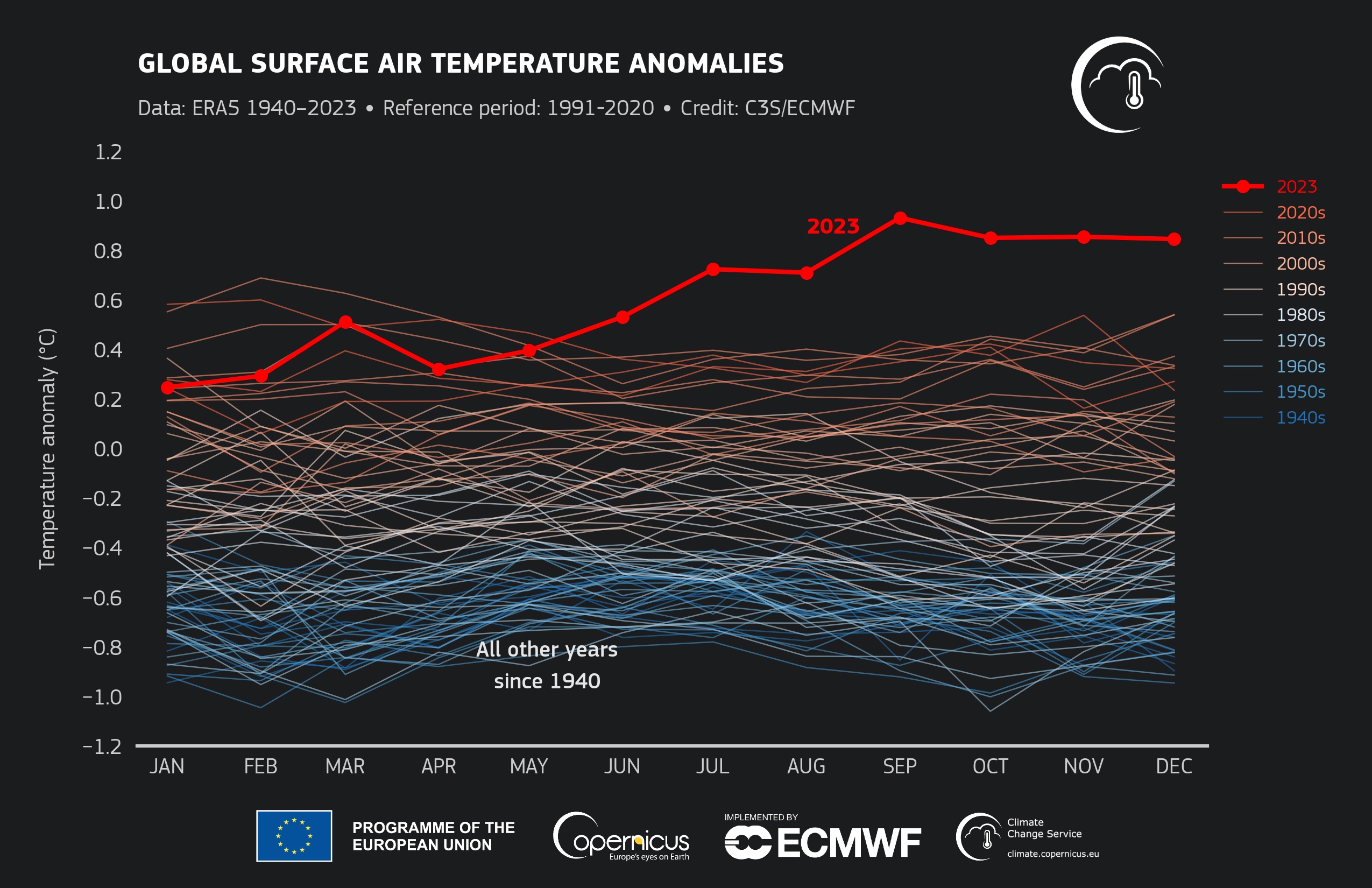
Image: Monthly global average temperatures from 1940 to 2023, according to the ERA5 dataset. Source: Copernicus Climate Change Service / ECMWF

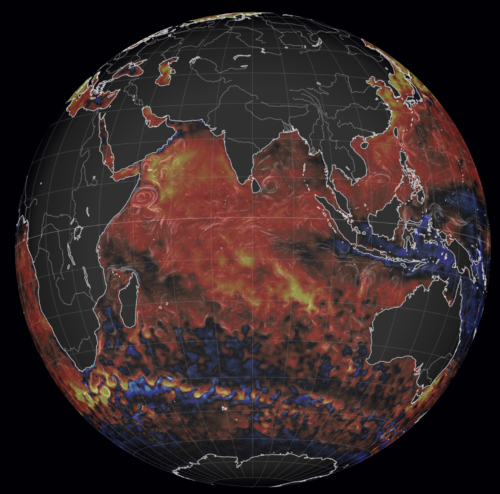
Exceptionally warm oceans played a big role in driving Earth’s mean global temperature to new heights in 2023. This included the warming effect of El Niño in the Pacific Ocean, but also abnormally high sea surface temperatures in most ocean basins, including widespread marine heatwaves.

The Copernicus Climate Change Service also reports that Antarctic sea ice extent reached record low monthly levels for 8 out of 12 months in 2023.

The record-breaking global warmth in 2023 coincided with record high concentrations of carbon dioxide and methane in the atmosphere. According to the Intergovernmental Panel on Climate Change (IPCC), greenhouse gas emissions due to human activities have been the principal cause of global warming in recent decades.

Latest news

Satisfy your weather obsession with these news headlines from around the nation, and the world.

Australia’s 2025–26 Cyclone Season: Slightly Above Average, Dominated by Severe Systems

Australia has just experienced a highly impactful tropical cyclone season, with more than 60% of systems reaching severe intensity, causing widespread disruption and damage to communities and multiple industries across northern Australia.  The 2025–26 Australian tropical cyclone season officially ran from 1 November 2025 to 30 April 2026. During this six-month period, Australia saw 11 tropical cyclones, with nine […]

What does a ‘super El Niño’ mean for Australia’s businesses?

There are signs that a very strong, or ‘super’ El Niño could develop in the tropical Pacific Ocean later this year. So, what does this mean for Australia’s weather during the second half of 2026? El Niño on the horizon The tropical Pacific Ocean is currently in a neutral state, meaning neither El Niño nor […]

How does DTN help businesses monitor bushfire induced pyrocumulonimbus thunderstorms that ignite more fires?

Intense heat from bushfires during elevated fire danger days can trigger fire-induced pyrocumulonimbus thunderstorms that ignite additional fires. In early January 2026, an extreme heatwave sweeping over southeastern Australia brought catastrophic fire danger to Victoria. Intensely hot bush and grass fires spread erratically and quickly in hot, dry and gusty winds, with pyrocumulonimbus generating lightning, […]

Active seas to the north and east of Australia disrupting port and maritime operations

Seas to the north and east of Australia are experiencing periods of increased activity this week, leading to disruptions to port, maritime and offshore operations. Intense and hazardous Tasman Sea Ocean conditions across NSW’s South Coast rapidly deteriorated last Friday as a deep feed of easterly winds whipped up large and dangerous seas. The Batemans […]