Prosper in a dynamic world
Search

Longest day of the year is here


Australia’s longest day of the year is upon us, with the summer solstice occurring across the Southern Hemisphere last night.


Throughout each year, the tilt of our planet’s rotation axis changes relative to the sun. This simply means the north and south poles tilt more towards and away from the sun throughout the year.  


Between the two equinoxes in late-March and late-September, Earth’s south pole is tilted more towards the sun than the north pole, making days longer than nights across the Southern Hemisphere.  


However, from late-September until late-March, the south pole tilts more towards the sun and days are longer than nights south of the equator. 


 The summer solstice marks the mid-point between the two equinoxes in the warmer half of the year, when the south pole reaches its furthest tilt away from the sun. This maximum tilt angle causes the longest days and shortest nights of the year to occur around the date of the summer solstice, everywhere in the Southern Hemisphere. 


 MicrosoftTeams-image (163)

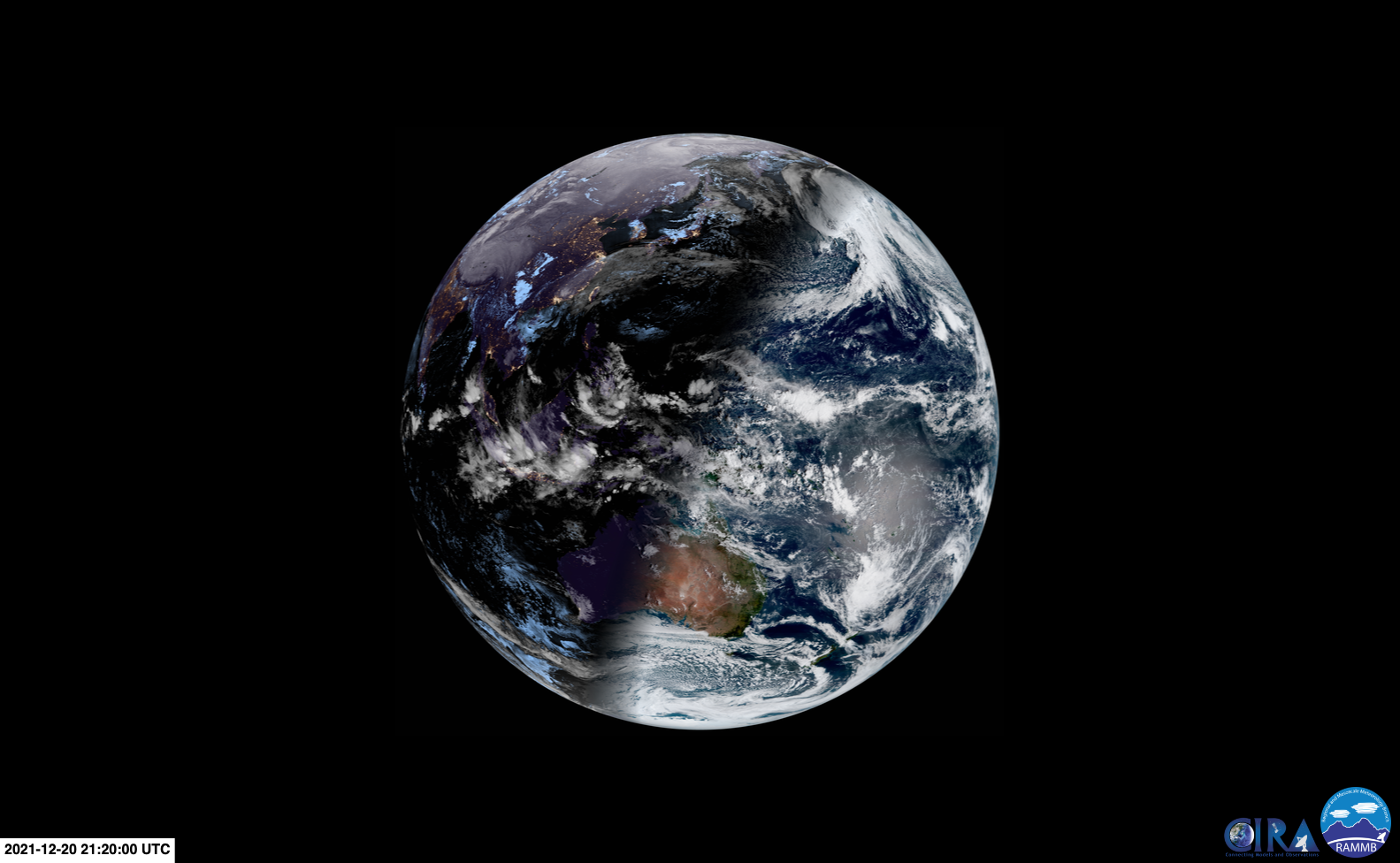
Image: Earth’s south pole reaches its furthest tilt towards the sun at the summer solstice in late-December. 


This year’s summer solstice occured at 2:59 am AEDT on Wednesday, December 22 in the Southern Hemisphere, marking the moment the south pole reaches its furthest tilt towards the sun. 


With daylength now at its annual peak, this is the time of year we see temperatures beginning to soar across Australia. This is part of the reason Mardie, WA was able to reach 47.9ºC on Monday, which is the highest temperature recorded in the Southern Hemisphere so far this year. 


Following last night’s summer solstice, days will soon start getting shorter than nights in the Australia. This trend towards darkness will continue until the winter solstice in late-June. 
Latest news

Satisfy your weather obsession with these news headlines from around the nation, and the world.

El Niño Is Here: What a Potential Record Event Means for Southeast Asia and Australia

  El Niño was officially declared in June 2026, raising the prospect of widespread impacts across Southeast Asia, from extreme heat and water shortages to higher energy demand and agricultural stress.   The World Meteorological Organization has warned countries to “prepare for it to be severe”, while several global forecast models suggest the event could rank among […]

How El Niño will shape Australian port operations in winter-spring 2026

Australian ports and marine pilots can expect a season of shifting wind and swell patterns through winter and spring 2026, as a developing El Niño brings the likelihood of drier conditions and more variable operating windows across the country’s coastline.  Will El Niño develop in 2026?  There are clear signs that an El Niño pattern is becoming […]

From Kimberley to northern NSW: Bushfire outlook flags risk for resources sector this winter

Bushfire risk doesn’t usually make headlines in June, but AFAC’s winter seasonal outlook is putting mining and resources operators on alert from the Kimberley to the NSW.  Australia’s official seasonal bushfire outlook for winter 2026 was released by AFAC on Thursday, May 28. The outlook predicts increased fire risk across the northern parts of the Great Sandy Desert and surrounds […]

The signal was there weeks earlier: forecasting one of the year’s biggest wind events

In mid-May 2026, DTN APAC meteorologists flagged a strengthening Southern Ocean pattern in model guidance, signalling an extended run of record-challenging wind conditions across the NEM.  Nearly three weeks later, NEM wind generation climbed from around 1.5GW to more than 9GW, supplying roughly one-third of the grid and coming within 1GW of the all-time generation record.  The event highlighted […]