The renewable energy industry has grown dramatically in the past few years and is fast becoming a mainstream energy source.
The push towards renewable energy is also driven by companies’ commitment to reducing their emissions and becoming more sustainable.
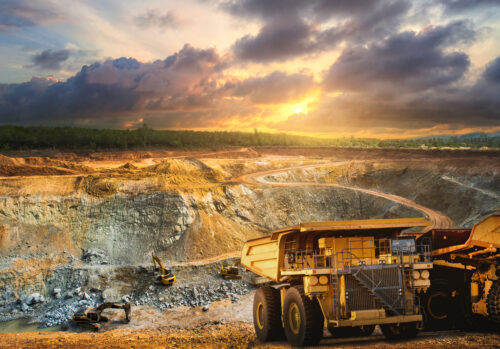
Some of the largest mining companies across Australia have seized the opportunity to move from fossil fuels to renewable energy sources.
Of course, this move is to become sustainable and to reduce emissions but also to reduce their energy costs. Energy is a substantial cost for the mining sector, with the industry using predominately diesel, natural gas and grid electricity, where available.
Some big players in the mining industry have announced and committed to reducing emissions and becoming 100 percent green in the future by investing in renewable energy projects.
With these targets in mind, some companies have begun installing an array of solar farms and wind turbines at their mining sites.
Accurate solar and wind forecasting for renewable energy plants on mining sites is especially important as the sites are remote and may not have access to the electricity grid. These sites need a reliable source of energy to continue mining operations.
Weatherzone, provides several mine sites across Australia with solar and wind forecasting, improving the resilience of the renewable energy plants while reducing electricity costs.
We also offer lightning and weather alert services to mine sites, which ensure safety and reduce site risks and costs. Our lightning detection system is the best in the country and often used for planning necessary works in the O&M sector
Accurate and timely forecasts allow critical decisions to be made such as when to send out maintenance crews to solar or wind farms, reducing the potential for infrastructure damage and safety risk to personnel.
There are things that can be done before a storm arrives at a wind farm. If strong winds are predicted, wind turbines can be turned off to reduce structural damage to the turbine. Also, the tracker angle at a solar farm can be changed to minimise damage and capture the most sunlight during a storm event.
For more information on our services, please contact apac.sales@dtn.com.