
Prosper in a dynamic world
Search

Nine metre waves and 100 km/h winds hit NSW

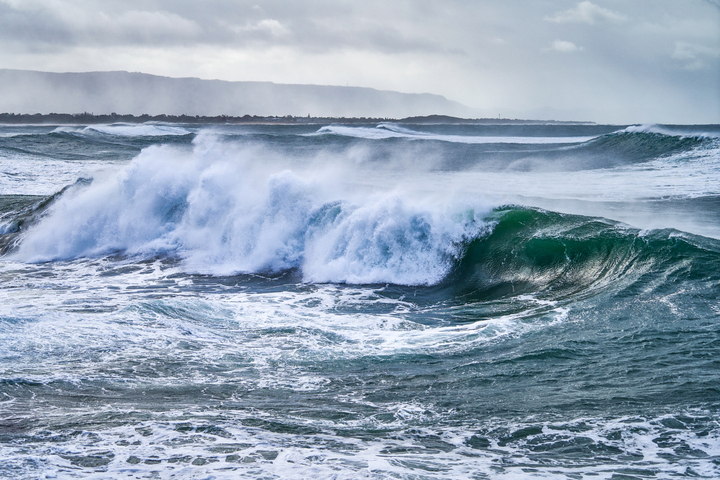
A powerful burst of southerly winds is causing massive waves to batter NSW beaches today, with warnings in place for damaging surf in some areas.

A deepening low pressure system over the Tasman Sea caused a blustery southerly change to move up the NSW coast on Tuesday. These cool southerly winds have strengthened further on Wednesday morning, causing damaging gusts and huge waves on the NSW coast, as we warned you about yesterday.
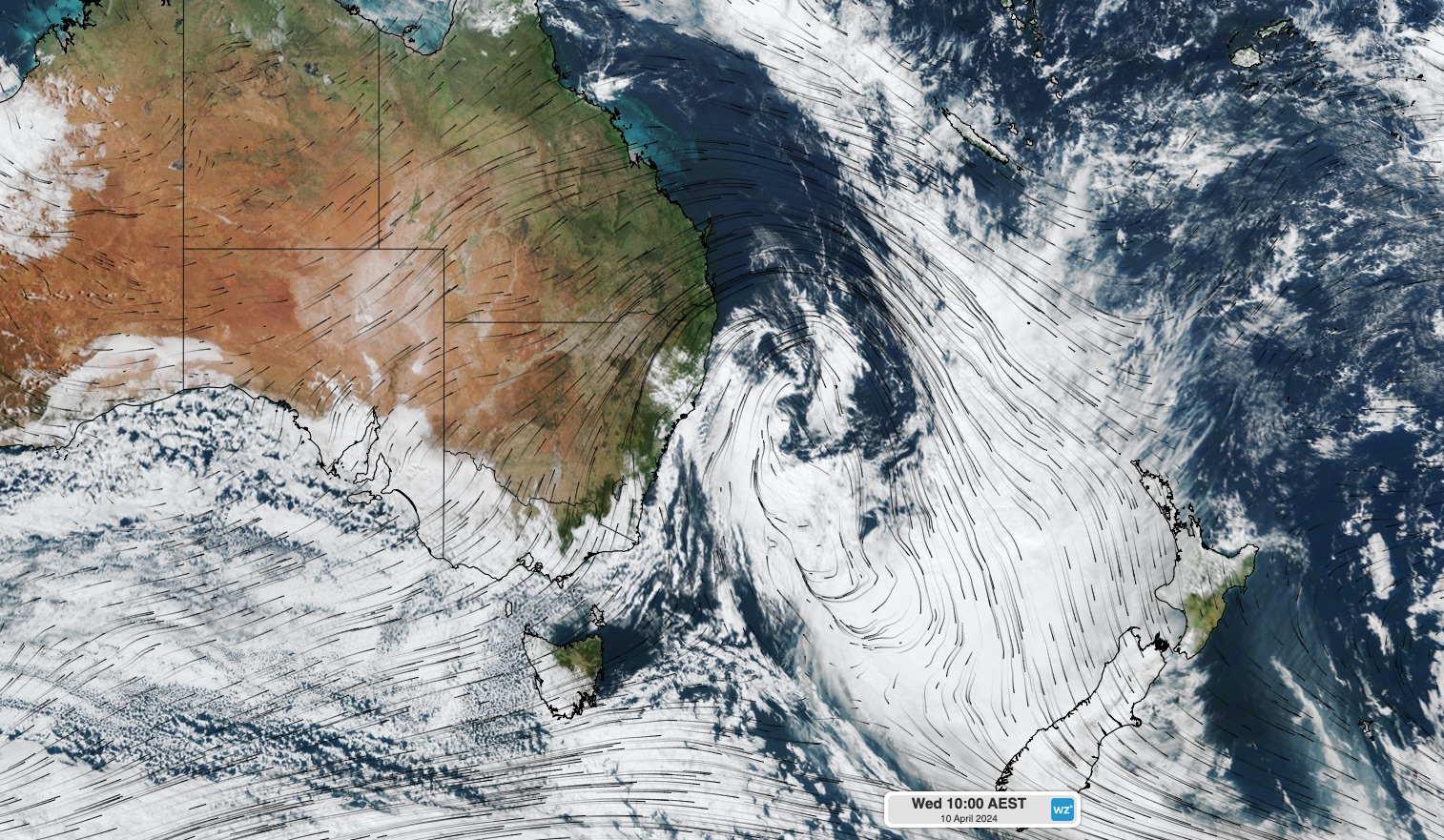
Image: Composite satellite and modelled wind at 10am AEST on Wednesday.

A wave rider buoy located off the coast of Sydney’s Northern Beaches recorded maximum wave height of around nine metres on Wednesday morning. This is the second time in five days waves have reached this high near Sydney, following a similar surge of swell on the weekend.

Image: Wave height observations off the coast of Sydney’s Northern Beaches over the last few days. Source: Manly Hydraulics

On land, wind gusts reached 102 km/h at Wattamolla and 78 km/h on Sydney Harbour in the early hours of Wednesday morning.

Blustery winds and large waves will continue to affect some central and northern parts of the NSW coast on Wednesday, although wind will gradually ease into the afternoon and evening.

As of 11am AEST, a severe weather warning was in place for damaging surf along the coast between Seal Rocks and Broken Bay.

DTN APAC offers a comprehensive suite of services, refined through years of collaboration with the marine, ports and offshore industries, to optimise the safety and efficiency of your operations.

We work with you to understand your intrinsic operational challenges and customise high-precision forecasting, metocean and aviation services to your exact location and operational scope. For more information, please contact us at apac.sales@dtn.com.


Latest news

Satisfy your weather obsession with these news headlines from around the nation, and the world.

Australia’s 2025–26 Cyclone Season: Slightly Above Average, Dominated by Severe Systems

Australia has just experienced a highly impactful tropical cyclone season, with more than 60% of systems reaching severe intensity, causing widespread disruption and damage to communities and multiple industries across northern Australia.  The 2025–26 Australian tropical cyclone season officially ran from 1 November 2025 to 30 April 2026. During this six-month period, Australia saw 11 tropical cyclones, with nine […]

What does a ‘super El Niño’ mean for Australia’s businesses?

There are signs that a very strong, or ‘super’ El Niño could develop in the tropical Pacific Ocean later this year. So, what does this mean for Australia’s weather during the second half of 2026? El Niño on the horizon The tropical Pacific Ocean is currently in a neutral state, meaning neither El Niño nor […]

How does DTN help businesses monitor bushfire induced pyrocumulonimbus thunderstorms that ignite more fires?

Intense heat from bushfires during elevated fire danger days can trigger fire-induced pyrocumulonimbus thunderstorms that ignite additional fires. In early January 2026, an extreme heatwave sweeping over southeastern Australia brought catastrophic fire danger to Victoria. Intensely hot bush and grass fires spread erratically and quickly in hot, dry and gusty winds, with pyrocumulonimbus generating lightning, […]

Active seas to the north and east of Australia disrupting port and maritime operations

Seas to the north and east of Australia are experiencing periods of increased activity this week, leading to disruptions to port, maritime and offshore operations. Intense and hazardous Tasman Sea Ocean conditions across NSW’s South Coast rapidly deteriorated last Friday as a deep feed of easterly winds whipped up large and dangerous seas. The Batemans […]

