
Prosper in a dynamic world
Search

Sydney’s wettest summer in 30 years

More than 120mm of rain during the last two days means Sydney is now having its wettest summer in 30 years.

A persistent stream of moisture feeding into a slow-moving low-pressure trough caused 105.2mm of rain to fall in Sydney’s Observatory Hill rain gauge during the 24 hours to 9am on Wednesday. This was the city’s highest rainfall daily total in two years.
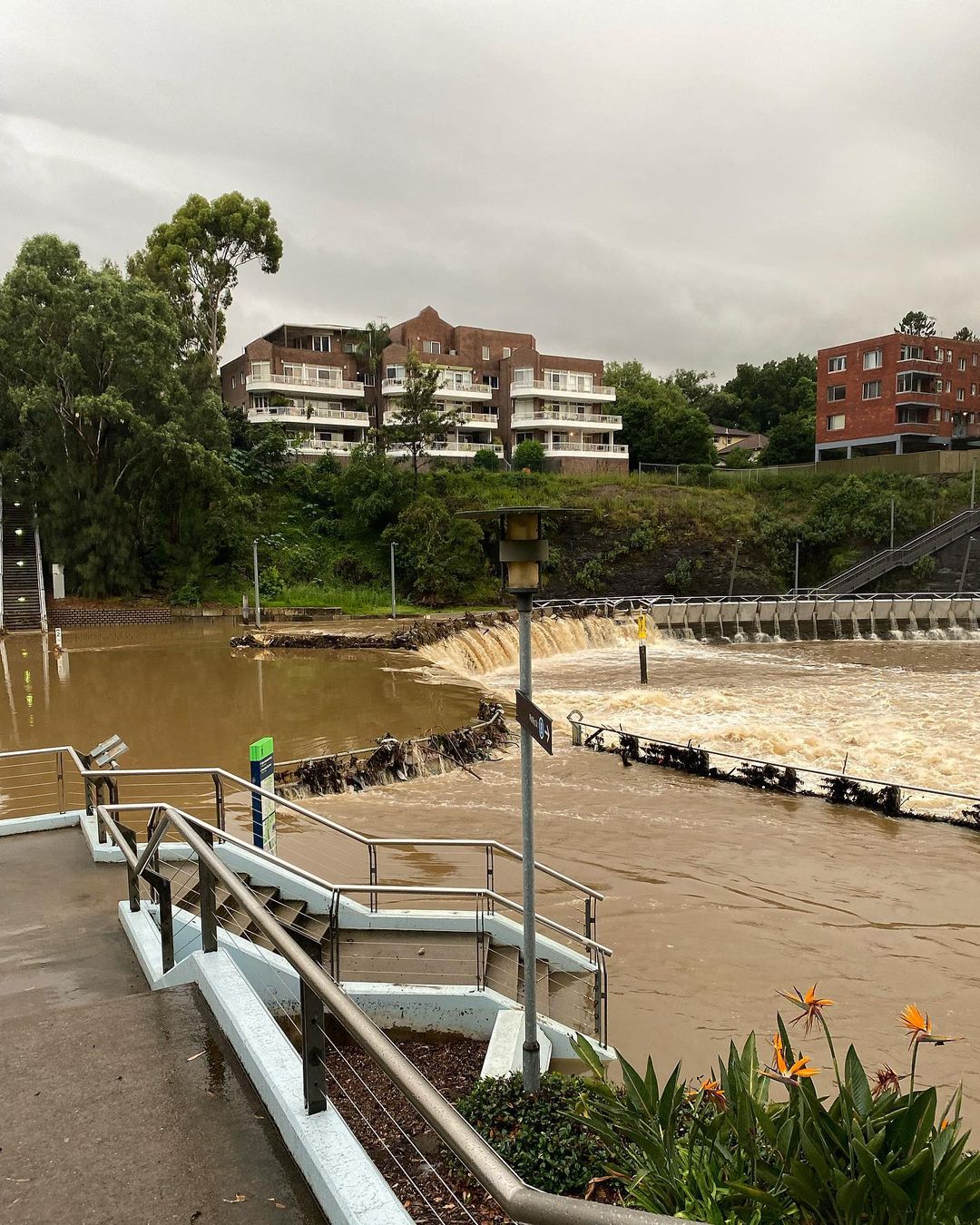
Image: Rain inundated the Parramatta River on Tuesday. Source: @sarah_loves_the_outdoors / Instagram

By 3pm on Wednesday, another 17.2mm had fallen, making a 30-hour total of 122.4mm in the city’s main rain gauge. This is more than a month’s worth of rain for Sydney, with the long-term February average sitting at 119.4mm.

This soggy 30-hour period has brought Sydney’s running summer total up to 518.4mm, making this now the city’s wettest summer since 1991/92.
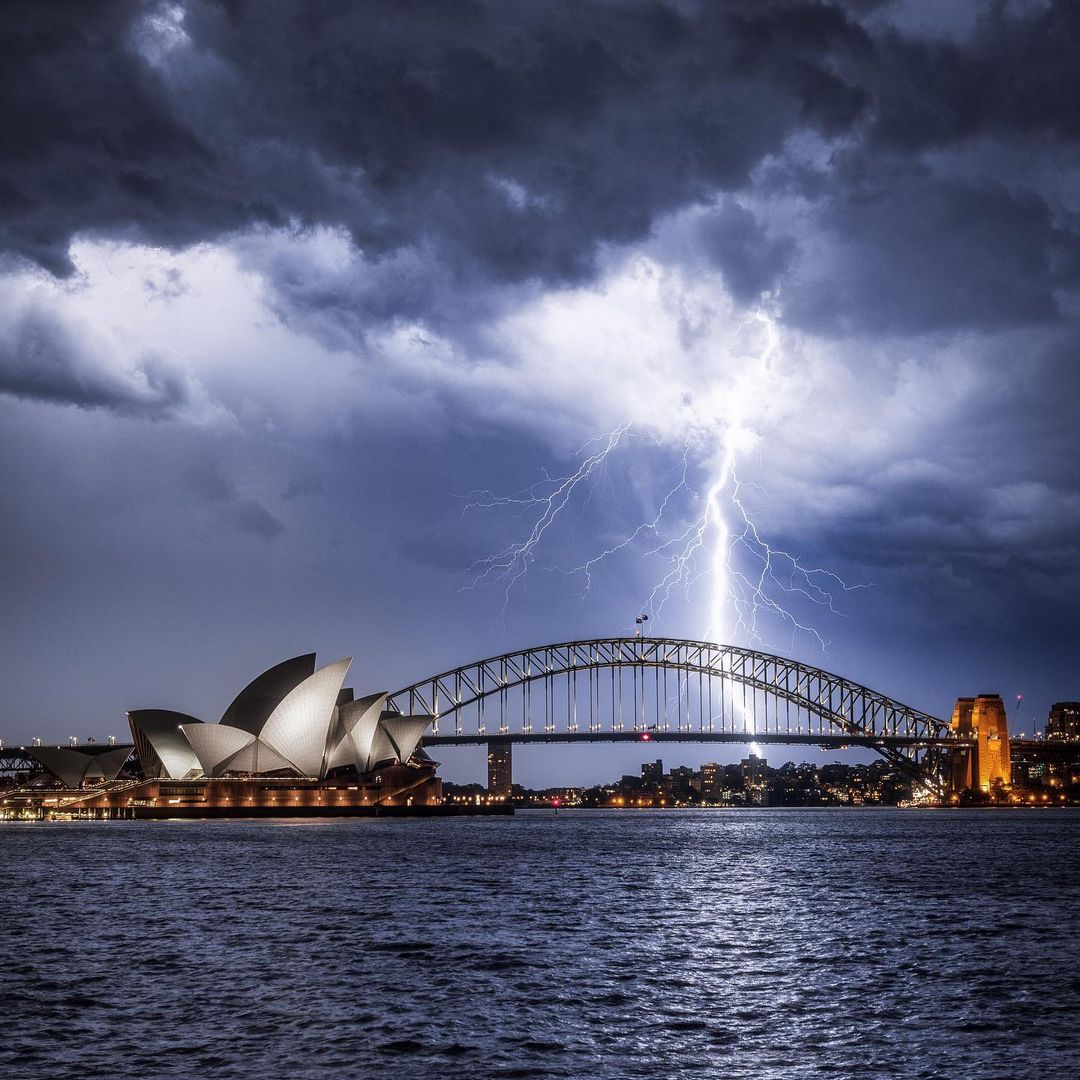
Image: One of the many thunderstorms that affected Sydney this summer, this one in mid-December. Source: @matt.lambley / Instagram

It’s unusual for Sydney to see half a metre of rain during summer, with the long-term seasonal average sitting at 298.8mm. In 164 years of records, only 21 summers have collected more than 500mm.

Sydney’s wettest summer on record was 886.3mm in 1955/56. Despite more rain on the forecast every day during the coming week, this record is unlikely to be broken this season.

For more information on Weatherzone’s heavy rainfall alerts, please contact us at apac.sales@dtn.com.


Latest news

Satisfy your weather obsession with these news headlines from around the nation, and the world.

Signs of a positive Indian Ocean Dipole, but it may not follow the textbook

Waters off Indonesia have cooled in recent weeks, an indication that a positive Indian Ocean Dipole (IOD) event could be developing. It’s an important climate driver for Australia, and it could shape rainfall and temperatures heading into summer, with flow-on effects for farmers, energy and other industries.  What is the Indian Ocean Dipole?  The IOD […]

1.3 million lightning strikes and a record September downpour: the storms testing WA’s Goldfields

Leonora, WA, had its wettest September day on record earlier this month. Three weeks later, more than 1.3 million lightning pulses were detected within 800 km of the town in 48 hours. Why is a stalled trough delivering storms to mining country, and what it could mean for operations?  The DTN Total Lightning Network detected […]

A very low wind power week, likely to continue

A stubborn blocking high over southern Australia will make for a very quiet week for wind generation and the pattern behind it isn’t a one-off.   It’s the seasonal signature of a super (very strong) El Niño combined with a positive Southern Annular Mode (SAM), and both the historical record and the current seasonal forecast suggest it’s likely to keep recurring through spring before a potential switch from November.  The setup right […]

Fastest strengthening El Niño on record: Impacts on Australian monsoon timing and wet season planning

Australia’s Mining and Resources sectors are bracing for a wet season shaped by one of the most rapidly developing El Niño events on record.    Looking back at how the strongest El Niño events in Australian history have played out, it becomes apparent that mining operations in Australia should be planning for a later monsoon […]

