Prosper in a dynamic world
Search

Storms barrel towards three capital cities

Severe storms have ripped through Melbourne and Canberra on Thursday morning, delivering brief but heavy downpours in many suburbs, with the strong chance of more to come in both cities, as well as Sydney.

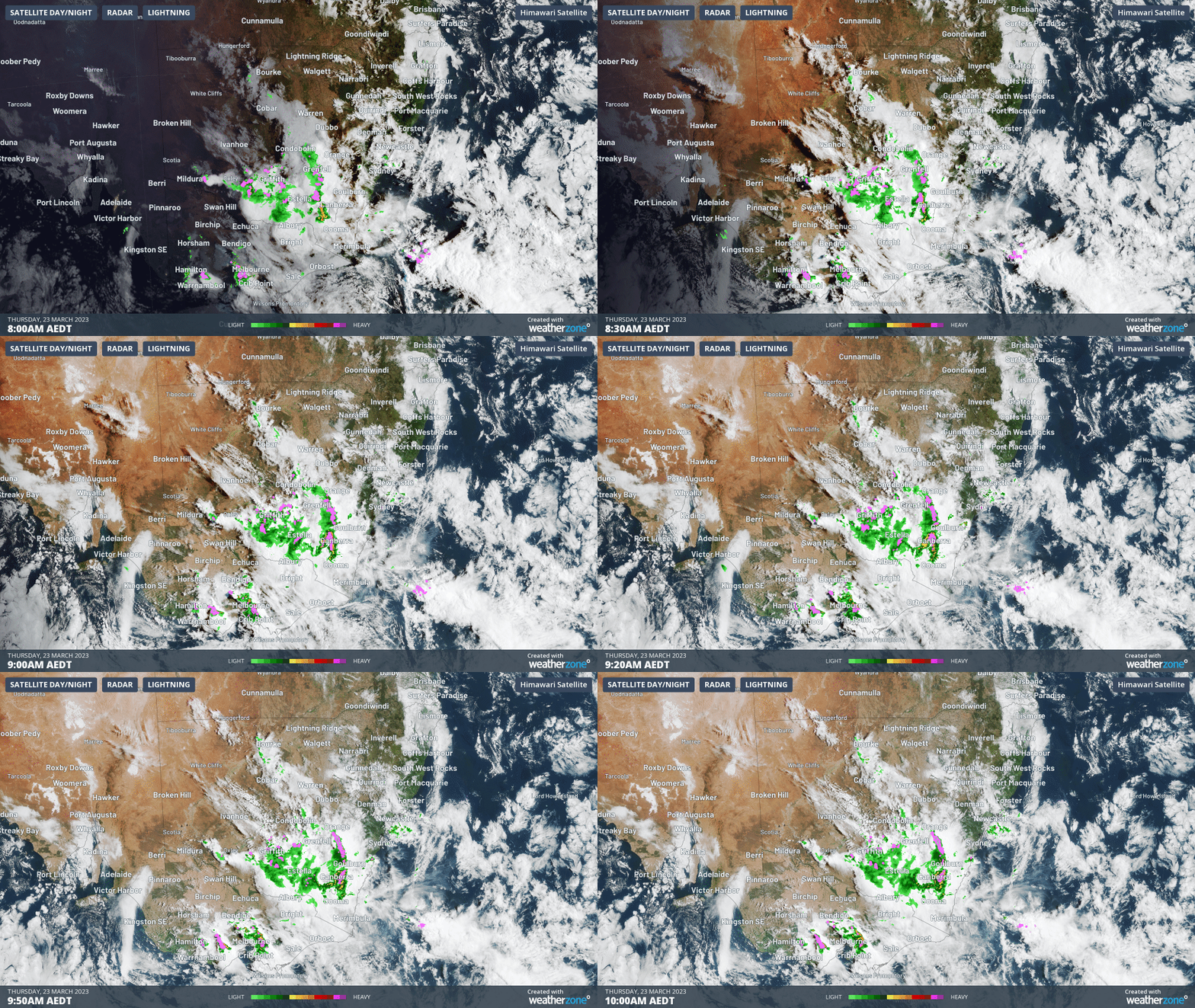
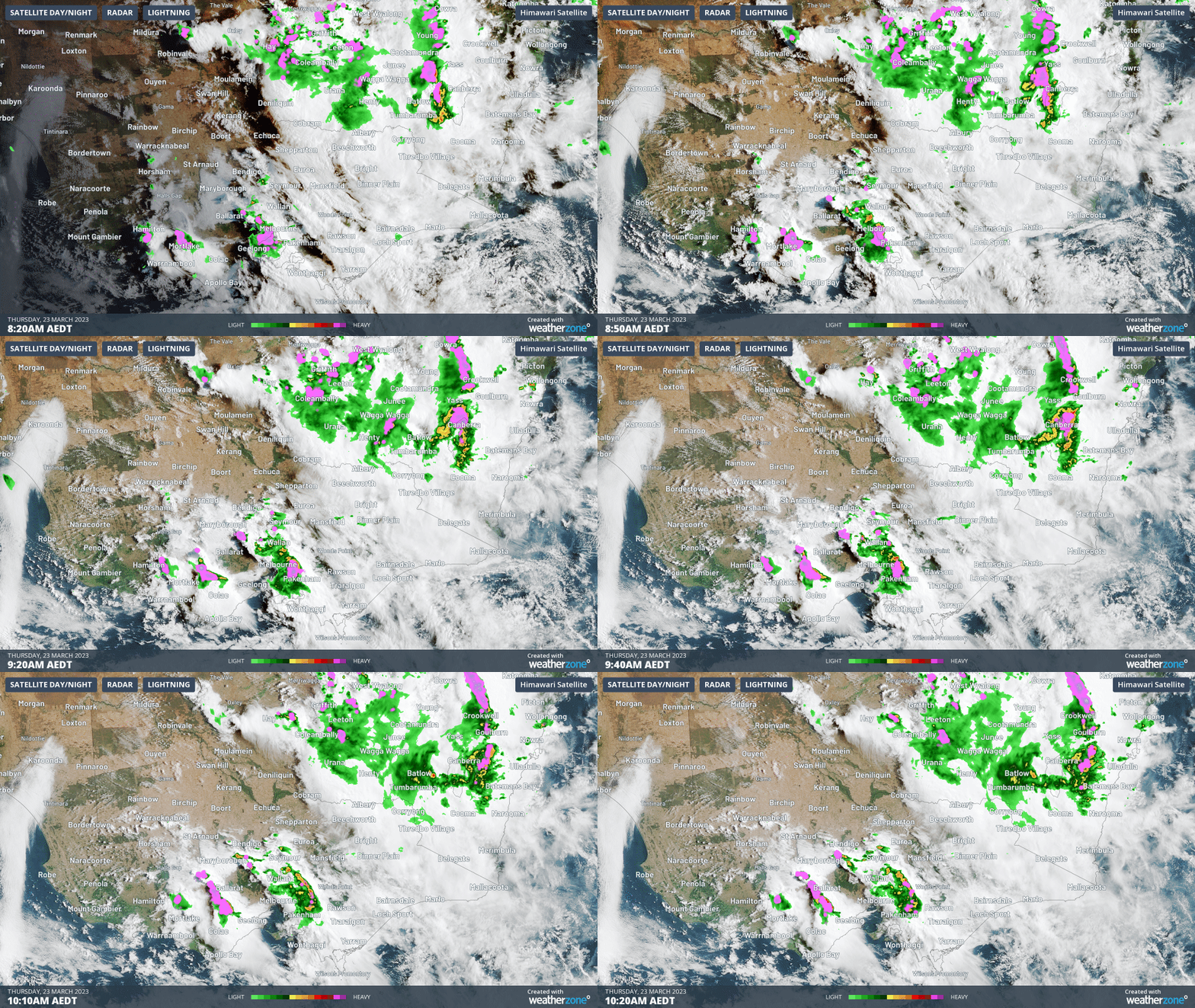
The storms in Canberra and Melbourne struck just after 9 am, as you can see on the radar loop below which covers the period between 8 am and 10 am Thursday.
The timing meant that commuters weren’t too badly affected, however as mentioned, we haven’t seen the last of the storm activity for the day.

The BoM has issued numerous warnings, the latest being a severe thunderstorm warning for the Melbourne area at 9:53 am Thursday, noting that the first severe thunderstorm has cleared to the east of the metro area, but another storm is approaching the Ballarat area and may become severe.

You can see that next storm marching through Ballarat in the general direction of Melbourne in the two-hour loop below, which shows the radar from 8:30 am to 10:30 am.

At the top of the loop, you can also see the storm that hit Canberra heading eastwards with bands north of it heading towards the greater Sydney metro area.
How much rain has fallen in this morning’s storms?

We wrote on Wednesday that the city and most suburbs of Melbourne only saw a millimetre or so of rainfall on a night when much heavier rain fell further north.

The city of Melbourne has again only seen 1.4 mm in Thursday’s first storm, while up to 15 mm fell in the outer eastern suburbs. These totals may well increase in coming hours as the next band of storms approaches.

Meanwhile Canberra has received a total of 15.4 mm on Thursday morning as we write this story, and that tally also seems likely to increase with another band approaching the national capital.

To find out bout DTN APAC and its weather forecasts and alerting services, please visit our website or email us at apac.sales@dtn.com.

Latest news

Satisfy your weather obsession with these news headlines from around the nation, and the world.

How does DTN help businesses monitor bushfire induced pyrocumulonimbus thunderstorms that ignite more fires?

Intense heat from bushfires during elevated fire danger days can trigger fire-induced pyrocumulonimbus thunderstorms that ignite additional fires. In early January 2026, an extreme heatwave sweeping over southeastern Australia brought catastrophic fire danger to Victoria. Intensely hot bush and grass fires spread erratically and quickly in hot, dry and gusty winds, with pyrocumulonimbus generating lightning, […]

Active seas to the north and east of Australia disrupting port and maritime operations

Seas to the north and east of Australia are experiencing periods of increased activity this week, leading to disruptions to port, maritime and offshore operations. Intense and hazardous Tasman Sea Ocean conditions across NSW’s South Coast rapidly deteriorated last Friday as a deep feed of easterly winds whipped up large and dangerous seas. The Batemans […]

Transport, emergency and energy industries flooded across Greater Sydney with weekend deluges

Transport, emergency, energy and port industries in eastern NSW and Sydney were impacted by significant flash flooding with intense and heavy rainfall this weekend. Rainfall rates between 80 and 140mm in one to three hours were registered across parts of Sydney’s Northern Beaches and Central Coast on Saturday afternoon and evening. In some areas, these […]

DTN Dangerous Thunderstorm Alerts in action with severe thunderstorms disrupting Perth industries

Severe thunderstorms impacted southwest WA and the Perth region on Sunday, December 14, 2025, triggering Dangerous Thunderstorm Alerts (DTA) by DTN for industries and businesses in the region. DTN operates Dangerous Thunderstorm Alerts (DTA) which alert businesses and industries to thunderstorms based on intensity and movement. These alerts provide advanced notice of thunderstorms moving into […]