Prosper in a dynamic world
Search

Stay ahead with Weatherzone this storm season


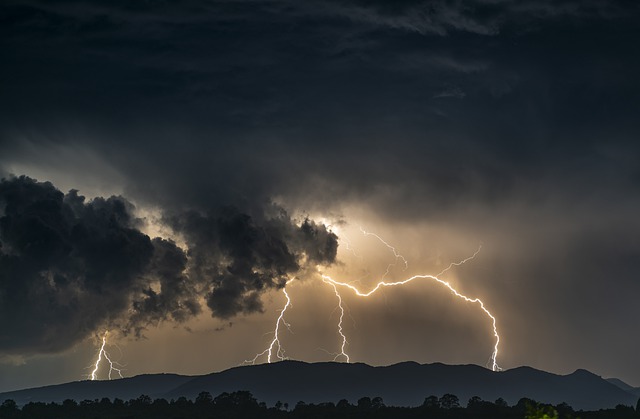
Lightning is one of the most dangerous weather phenomena and awareness of its location or distance from your workplace is paramount to safety.  

Fortunately, Weatherzone’s lightning detection and lightning alerting systems can reduce incidents in the field, improve awareness of lightning risk and minimise down time in the field.  

Total Lightning Network is a network of ground-based sensors that delivers the most reliable and precise lightning detection in the world, so you can make better decisions, protect property, minimize downtime, and safeguard lives when and where it matters most. 

Our expansive network provides the most reliable, high-quality data in real time to help you quickly evaluate risk and act when dangerous weather threatens. 

In addition to our network, Weatherzone has developed a robust onsite alerting system known as a WZBob. WZBob’s are proven visual and audio site solution aimed at mine sites that can be linked to radio networks for site wide awareness of lightning risk (figure 1).  

WZBob uses a combination of light beacons and sounders, which are installed on site according to location, topography and location of your assets or staff. WzBob is the complete solution for lightning alerts for your business (figure 1).  

Wzbob

Figure 1: Weatherzone’s WzBob system with beacons and sounders for thunderstorm alerting.  

The dual effectiveness of the Total Lightning Network and WZBob alerting capacities ensure lightning proximity accuracy, saving hours of downtime for your business, while ensuring safety. Below is a testimony from a mine manager in Australia. 

“We are extremely happy with the service and with Weatherzone in general and can’t recommend them highly enough. We estimate their accuracy of lightning detection has saved us about 70 hours of downtime this year already compared to the old system we used (single site lightning system which is not overly accurate).” – Mine Manager, Australian Gold Mine  

For more information on any of our lighting services, please contact us at apac.sales@dtn.com. 
Latest news

Satisfy your weather obsession with these news headlines from around the nation, and the world.

Rapid El Niño signal accelerating risk for Australian businesses

El Niño–favourable conditions are gathering pace across the tropical Pacific, with key ocean indicators approaching threshold levels and early atmospheric responses emerging.  While uncertainty remains around final El Niño strength, historical analogues show that even weak events can generate widespread impacts, including reduced rainfall, warmer daytime temperatures, increased frost risk, elevated fire danger, reduced tropical cyclone activity, and more. Industries including […]

Australia’s 2025–26 Cyclone Season: Slightly Above Average, Dominated by Severe Systems

Australia has just experienced a highly impactful tropical cyclone season, with more than 60% of systems reaching severe intensity, causing widespread disruption and damage to communities and multiple industries across northern Australia.  The 2025–26 Australian tropical cyclone season officially ran from 1 November 2025 to 30 April 2026. During this six-month period, Australia saw 11 tropical cyclones, with nine […]

What does a ‘super El Niño’ mean for Australia’s businesses?

There are signs that a very strong, or ‘super’ El Niño could develop in the tropical Pacific Ocean later this year. So, what does this mean for Australia’s weather during the second half of 2026? El Niño on the horizon The tropical Pacific Ocean is currently in a neutral state, meaning neither El Niño nor […]

How does DTN help businesses monitor bushfire induced pyrocumulonimbus thunderstorms that ignite more fires?

Intense heat from bushfires during elevated fire danger days can trigger fire-induced pyrocumulonimbus thunderstorms that ignite additional fires. In early January 2026, an extreme heatwave sweeping over southeastern Australia brought catastrophic fire danger to Victoria. Intensely hot bush and grass fires spread erratically and quickly in hot, dry and gusty winds, with pyrocumulonimbus generating lightning, […]