Renewable energy is fast becoming a major source of energy across Australia and this revolution is affecting the mining industry.
Energy is one of the biggest expenses for mining companies. This is being compounded by the current cost and volatility of energy amid the surging price of gas and a complex mix of international and domestic events.
These factors are forcing many mining companies to ‘green’ to reduce costs and emissions, because renewable energy is largely immune to these volatile prices, making it easier to budget for energy costs.
Weatherzone’s Energy Sales Specialist Manfred Fussi says, ‘Mining sites are switching to renewable energy because it is cheaper (no fuel has to be purchased and shipped to the site), safer (no fuel has to be stored at site) and it cuts down CO2 emissions (carbon credits can be traded or used within the company).’
Major mining companies have unveiled plans to invest in wind turbines and solar panels on site to capitalise on these benefits.
Fortunately, wind and solar are both vast potential resources of renewable energy in Australia.
According to Geoscience Australia, ‘The Australian continent has the highest solar radiation per square metre of any continent and consequently some of the best solar energy resource in the world’
The map below shows the regions with the highest solar resource are the desert regions in the northwest and centre of the continent.

Image: Solar availability. Good 1,200–1,600MWh/m2, very good 1,600–2,000MWh/m2, and excellent 2,000– 2,400MWh/m2. Source: Australian Renewable Energy Agency ARENA
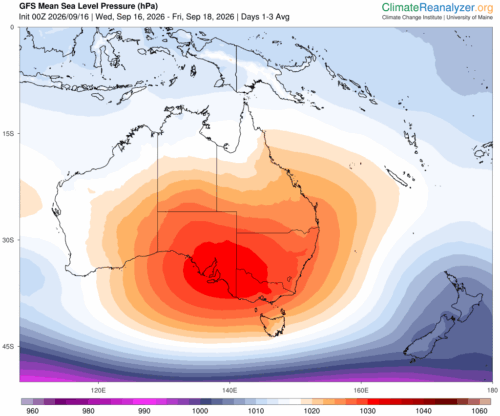
Wind is also an abundant but variable source of renewable energy in Australia. The map below shows that winds are strongest across southern Australia where fronts regularly sweep the region.

Image: Wind availability. Good 6–7m/s, very good 7–8m/s, and excellent 8–9m/s. (Wind speed measured at 100m. Source: Australian Renewable Energy Agency ARENA
Given the variability of wind and the numbered daylight hours, mining companies are installing hybrid plants which generate both wind and solar power. This ensures that renewable energy can be harnessed all day, every day.
This is important for mines, as they run around the clock and need uninterrupted power supplies. For this reason, batteries are being used as back up when the wind isn’t blowing, or the sun isn’t shining.
Companies will also use wind and sunlight to generate hydrogen which can be used to fuel vehicles or stored to later generate electricity when wind and solar is low.
Given the variability of wind and solar, accurate forecasting is becoming more important than ever in the transition to renewable energy.
Weatherzone can offer renewable energy projects at mining sites the following services:
- Meteorological data (historical and live) for site selection
- Solar forecasting
- Hub height and wind forecasting
- Power production forecasting (wind)
- Lightning and wind alert services (for construction phase and O&M)
- Storm Tracker (for construction phase and O&M)
For more information on these services, please contact us at apac.sales@dtn.com.