

Prosper in a dynamic world
Search

Tropical Cyclone Mal heading for Fiji

Tropical Cyclone Mal is set to sideswipe Fiji overnight as a Category 2 or Category 3 tropical cyclone.

Tropical Cyclone Mal developed into a tropical cyclone on Monday evening and has since increased in strength to a Category 2 system on Tuesday morning. As of 3pm Fiji time (FJT), Mal has sustained winds of 100km/h, gusting up to 140km/h and is moving at a brisk 29km/h to the southeast.

Video: Enhanced infrared satellite showing Tropical Cyclone Mal pulsing with activity as it approaches Fiji

During the early and mid-morning of Wednesday, Tropical Cyclone Mal is forecast to sideswipe of Fiji’s western coast, including the tourist-hotspot of Nadi. Nadi International Airport is preparing for a night of rain, thunderstorms, low visibility (down to 1500m at times) and winds of 45 knots (83km/h), gusting up to 65 knots (120km/h).
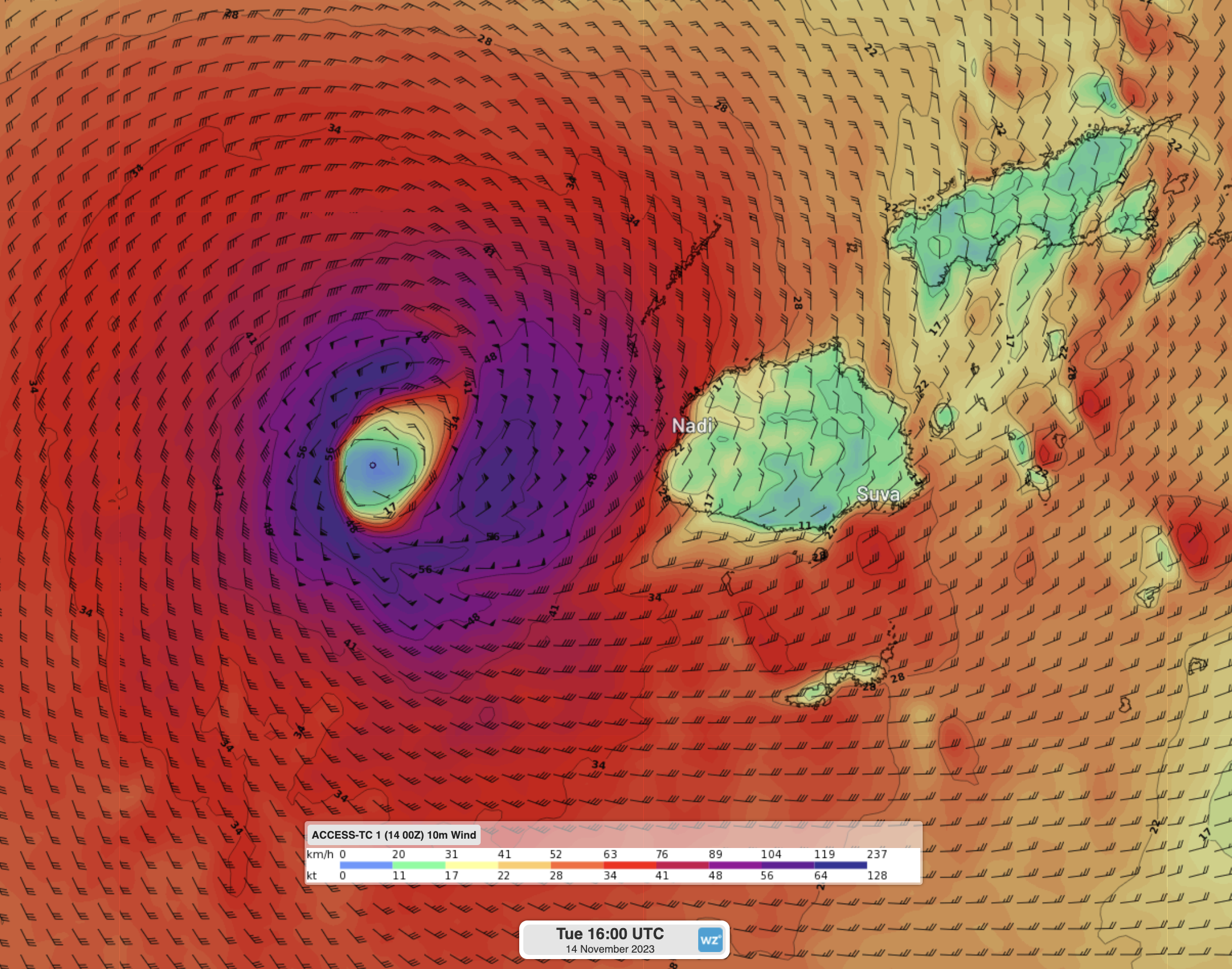
Tropical Cyclone Mal. Fiji

Image: Sustained winds from Tropical Cyclone Mal at 4am FJT when it’s at its closest to Fiji. Winds in red are gales exceeding 60km/h, with the strongest winds in purple representing storm (90km/h) and hurricane force (120km/h) winds.

Fortunately for Fiji, since Mal is expected to only clip the island, and since the system is moving so quickly, rainfall is not expected to be particularly heavy overall. However, thunderstorms could bring short-lived tropical deluges of more than 80mm/h.

This is the South Pacifics first tropical cyclone of the season (runs from November to April), although notably comes second in the financial year to the record-breaking Severe Tropical Cyclone Lola in October. While El Niño does increase both the number of tropical cyclones expected in the South Pacific and the proportion of those that make it to Severe Tropical Cyclones (i.e. Category 3 or higher), it is still unusually early to see this many severe tropical cyclones.
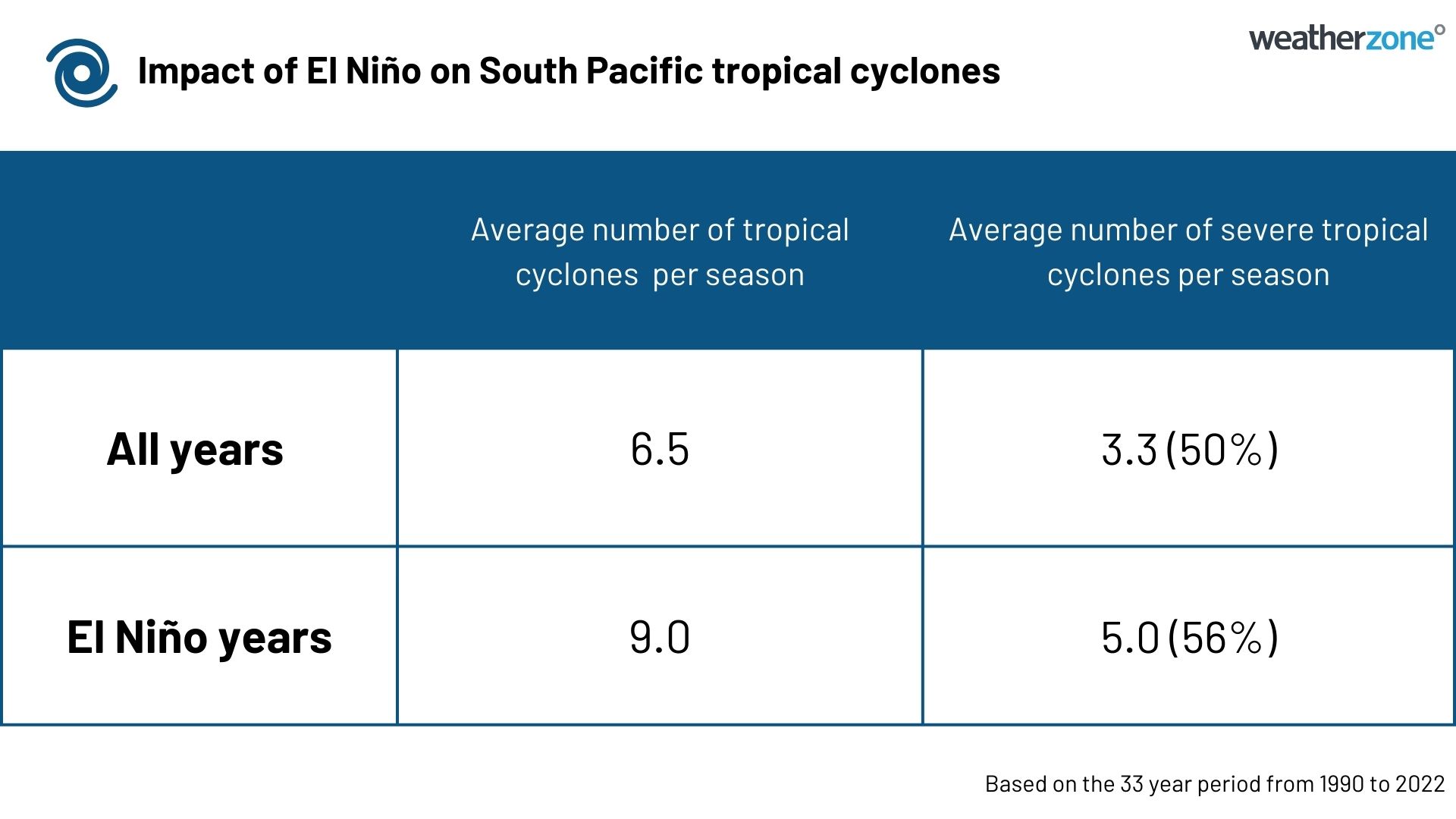
Tropical Cyclone Mal. Fiji

You can see the official forecasts released by the Fiji Met service here, with more details about the system here.

DTN APAC and DTN can provide your business with tropical cyclone forecast and alerting services, no matter where you are in the world. To find out more, please visit our website or email us at apac.sales@dtn.com.


 

Latest news

Satisfy your weather obsession with these news headlines from around the nation, and the world.

Rapid El Niño signal accelerating risk for Australian businesses

El Niño–favourable conditions are gathering pace across the tropical Pacific, with key ocean indicators approaching threshold levels and early atmospheric responses emerging.  While uncertainty remains around final El Niño strength, historical analogues show that even weak events can generate widespread impacts, including reduced rainfall, warmer daytime temperatures, increased frost risk, elevated fire danger, reduced tropical cyclone activity, and more. Industries including […]

Australia’s 2025–26 Cyclone Season: Slightly Above Average, Dominated by Severe Systems

Australia has just experienced a highly impactful tropical cyclone season, with more than 60% of systems reaching severe intensity, causing widespread disruption and damage to communities and multiple industries across northern Australia.  The 2025–26 Australian tropical cyclone season officially ran from 1 November 2025 to 30 April 2026. During this six-month period, Australia saw 11 tropical cyclones, with nine […]

What does a ‘super El Niño’ mean for Australia’s businesses?

There are signs that a very strong, or ‘super’ El Niño could develop in the tropical Pacific Ocean later this year. So, what does this mean for Australia’s weather during the second half of 2026? El Niño on the horizon The tropical Pacific Ocean is currently in a neutral state, meaning neither El Niño nor […]

How does DTN help businesses monitor bushfire induced pyrocumulonimbus thunderstorms that ignite more fires?

Intense heat from bushfires during elevated fire danger days can trigger fire-induced pyrocumulonimbus thunderstorms that ignite additional fires. In early January 2026, an extreme heatwave sweeping over southeastern Australia brought catastrophic fire danger to Victoria. Intensely hot bush and grass fires spread erratically and quickly in hot, dry and gusty winds, with pyrocumulonimbus generating lightning, […]

