
Prosper in a dynamic world
Search

Best start to Aussie hydropower season since 1968


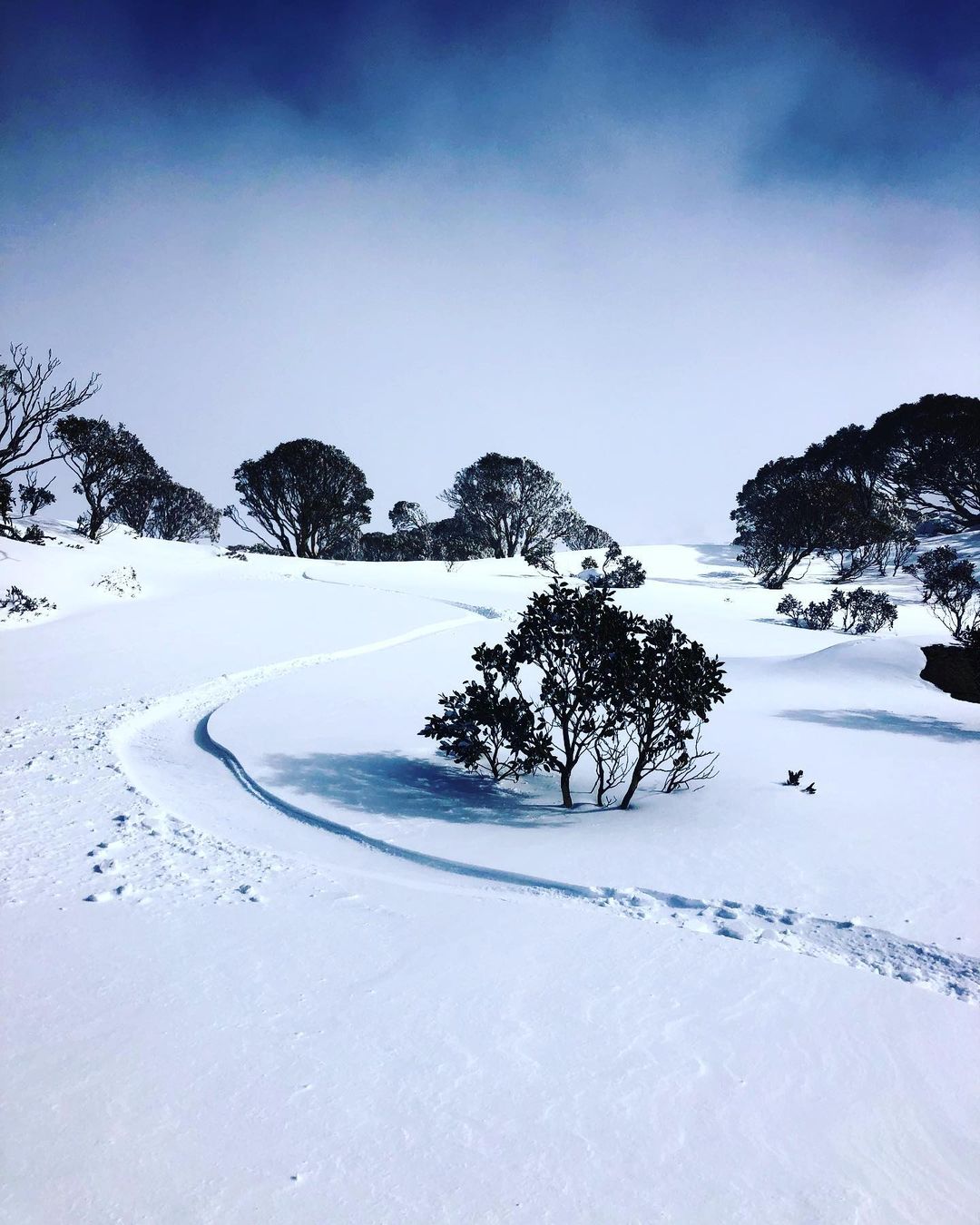
Australia’s Alps just had their best start to a snow season in 54 years , according to this year’s first official natural snow depth measurement at Spencers Creek in the NSW Snowy Mountains. This early season snow will provide a decent injection of water into the hydro lakes in NSW, VIC and TAS, increasing lake levels and supplying water for future hydropower generation.

 Snowy Hydro has been manually measuring the natural snow depth at Spencers Creek in NSW since 1954. This site, located at 1,830 metres above sea level between Perisher and Charlotte Pass, is widely regarded as Australia’s most reliable historical record of natural snow depths in the Aussie Alps. 

 So, how much snow is on the ground? 

 This week’s measurement was always going to be a big one, thanks to a procession of cold fronts that delivered multiple rounds of snow in late May and early June. 

 According to data published on Snowy Hydro’s website, the natural snow depth at Spencers Creek on Thursday, June 15 was 118.3 cm. This is the highest snow depth measured at the site this early in the season since 1968.  

 In 2021, this snow depth wasn’t reached until late-July, so we are currently running more than one month ahead of last winter based on the raw snow depth. 

 This week’s impressive snow depth reading is in line with other cold weather statistics that Weatherzone published earlier this week, including Canberra just enduring its coldest start to winter since 1964. 

Hydro operators can more accurately predict hydro plant output and manage water flows through accurate long-term catchment rainfall and snowfall forecasts. Rainfall forecasts from one hour to one year ahead are crucial for effective management of hydro assets. For more information, please contact us at apac.sales@dtn.com.


Latest news

Satisfy your weather obsession with these news headlines from around the nation, and the world.

El Niño Is Here: What a Potential Record Event Means for Southeast Asia and Australia

  El Niño was officially declared in June 2026, raising the prospect of widespread impacts across Southeast Asia, from extreme heat and water shortages to higher energy demand and agricultural stress.   The World Meteorological Organization has warned countries to “prepare for it to be severe”, while several global forecast models suggest the event could rank among […]

How El Niño will shape Australian port operations in winter-spring 2026

Australian ports and marine pilots can expect a season of shifting wind and swell patterns through winter and spring 2026, as a developing El Niño brings the likelihood of drier conditions and more variable operating windows across the country’s coastline.  Will El Niño develop in 2026?  There are clear signs that an El Niño pattern is becoming […]

From Kimberley to northern NSW: Bushfire outlook flags risk for resources sector this winter

Bushfire risk doesn’t usually make headlines in June, but AFAC’s winter seasonal outlook is putting mining and resources operators on alert from the Kimberley to the NSW.  Australia’s official seasonal bushfire outlook for winter 2026 was released by AFAC on Thursday, May 28. The outlook predicts increased fire risk across the northern parts of the Great Sandy Desert and surrounds […]

The signal was there weeks earlier: forecasting one of the year’s biggest wind events

In mid-May 2026, DTN APAC meteorologists flagged a strengthening Southern Ocean pattern in model guidance, signalling an extended run of record-challenging wind conditions across the NEM.  Nearly three weeks later, NEM wind generation climbed from around 1.5GW to more than 9GW, supplying roughly one-third of the grid and coming within 1GW of the all-time generation record.  The event highlighted […]

