
Prosper in a dynamic world
Search

Another hot week in Perth


This summer has been exceptionally hot in Perth and the final week of the season won’t be any different.

Perth is certainly no stranger to heat, with an average maximum temperature of 31 to 32ºC in January and February.

This summer, however, has seen a record-breaking number of very hot days in the city.

Sunday, February 20th, was Perth’s 31st day at or above 35ºC so far this summer. This is the equal highest number of 35ºC days on record for a single summer, matching the same feat in 1977/78.

There have also been 13 days at or above 40ºC this season, smashing the previous summer record of seven 40ºC days in the summer of 2015/16.

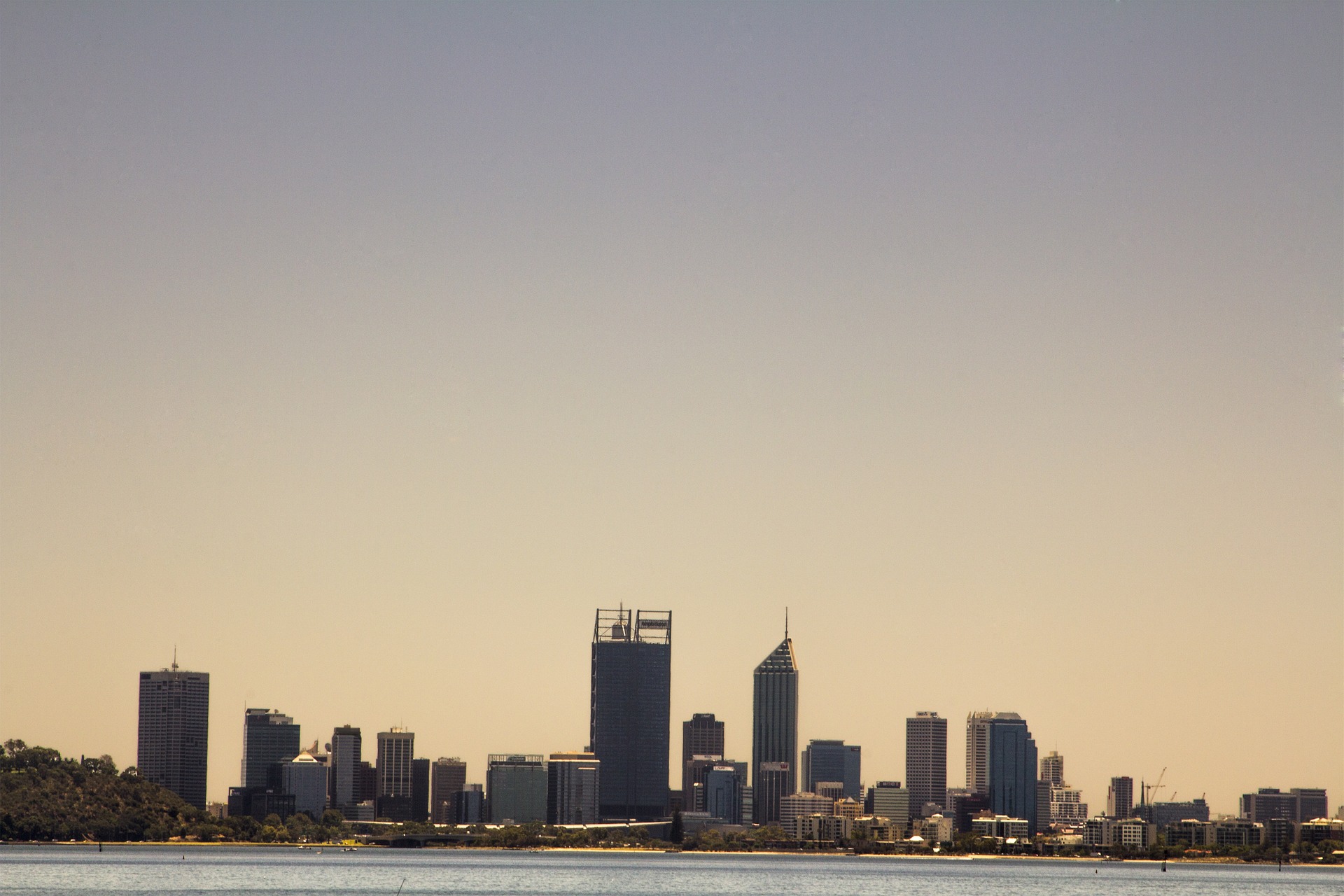
Image: One of this season’s many sunny days in Perth, this one from the middle of February. Source: @mpb_photos / Instagram

With more hot weather in the cards for Perth in the coming week, the final week of summer, some of these records are likely to be extended.

While another 40ºC day looks unlikely before the end of summer, there could be another one to four days above 35ºC this week. This means Perth could see anywhere between 32 to 35 days at or above 35ºC this summer, which will comfortably beat the previous record of 31 days.

Unsurprisingly, this hot summer has also been abnormally dry in Perth.

As of 9am on Monday, February 21, the city had only received 4.4mm since the start of December. This is well below the seasonal average of 42.6mm and the driest summer in eight years.

Unfortunately for parched parks and gardens across Perth, rain is unlikely during the final week of summer. For more information on Weatherzone’s seasonal extreme heat forecasting or 14 day temperature forecasts, please contact us at apac.sales@dtn.com.


Latest news

Satisfy your weather obsession with these news headlines from around the nation, and the world.

Signs of a positive Indian Ocean Dipole, but it may not follow the textbook

Waters off Indonesia have cooled in recent weeks, an indication that a positive Indian Ocean Dipole (IOD) event could be developing. It’s an important climate driver for Australia, and it could shape rainfall and temperatures heading into summer, with flow-on effects for farmers, energy and other industries.  What is the Indian Ocean Dipole?  The IOD […]

1.3 million lightning strikes and a record September downpour: the storms testing WA’s Goldfields

Leonora, WA, had its wettest September day on record earlier this month. Three weeks later, more than 1.3 million lightning pulses were detected within 800 km of the town in 48 hours. Why is a stalled trough delivering storms to mining country, and what it could mean for operations?  The DTN Total Lightning Network detected […]

A very low wind power week, likely to continue

A stubborn blocking high over southern Australia will make for a very quiet week for wind generation and the pattern behind it isn’t a one-off.   It’s the seasonal signature of a super (very strong) El Niño combined with a positive Southern Annular Mode (SAM), and both the historical record and the current seasonal forecast suggest it’s likely to keep recurring through spring before a potential switch from November.  The setup right […]

Fastest strengthening El Niño on record: Impacts on Australian monsoon timing and wet season planning

Australia’s Mining and Resources sectors are bracing for a wet season shaped by one of the most rapidly developing El Niño events on record.    Looking back at how the strongest El Niño events in Australian history have played out, it becomes apparent that mining operations in Australia should be planning for a later monsoon […]

